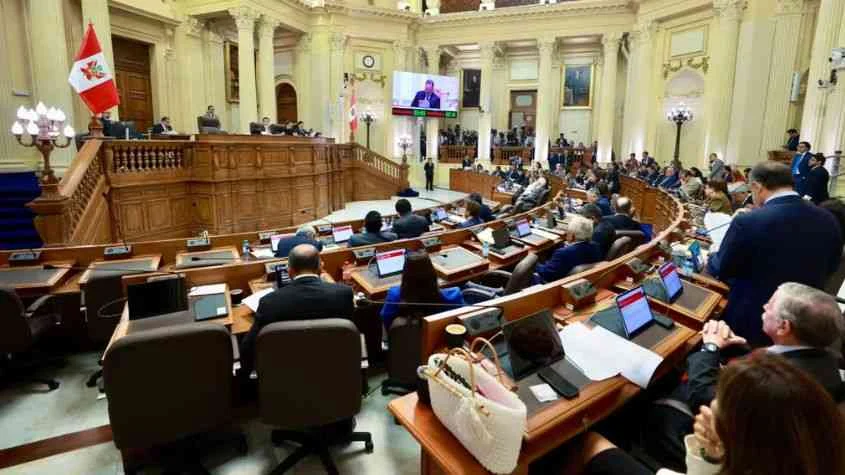
In a pivotal legislative development, the Senate has officially granted the administration of President Keiko Fujimori temporary legislative powers, specifically aimed at bolstering the nation’s response to the looming threat of the El Niño phenomenon and addressing critical gaps in public security. The measure, approved with 35 votes in favor, 18 against, and six abstentions, empowers the Executive branch to bypass the traditional legislative process for a period of 90 calendar days to enact urgent decrees across 27 specific areas.
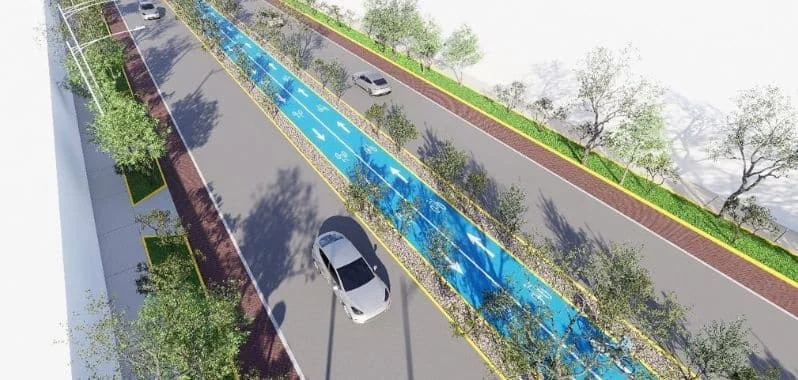
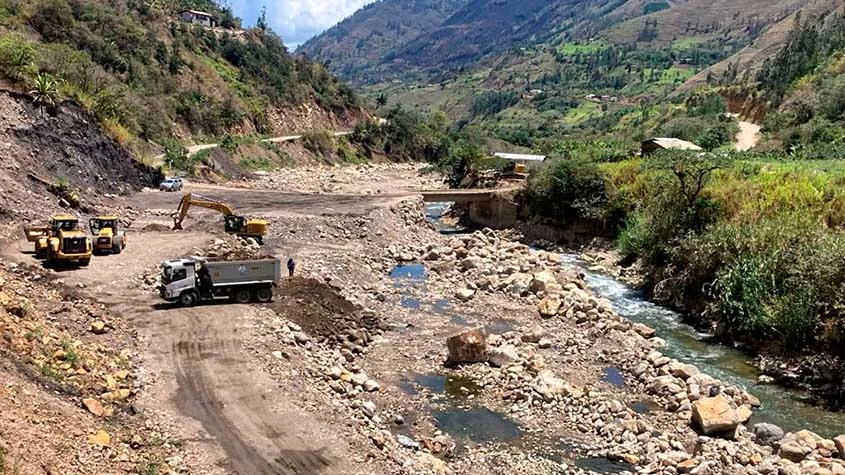
This legislative delegation represents a significant shift in the government’s approach to infrastructure management. By fast-tracking administrative procedures, the administration aims to bypass the bureaucratic bottlenecks that have historically stalled essential public works, such as road construction, bridge reinforcement, and large-scale flood mitigation projects.
Main Facts: The Scope of the Legislative Delegation
The mandate granted to the Executive is expansive, covering 27 distinct sectors. While the primary impetus is the preparation for the El Niño climate event, the legislation includes a heavy focus on the modernization of national infrastructure. The government argues that the urgency of the climate crisis warrants a streamlined approach to procurement and implementation.
Key areas affected by this legislative delegation include:
- Infrastructure Acceleration: Expedited administrative processes for projects identified in the National Infrastructure Plan.
- Emergency Services: Direct authorization for the recovery and maintenance of essential water and energy networks, ensuring grid stability during extreme weather events.
- Public Safety: Enhanced legal frameworks to combat insecurity, a persistent issue that has demanded government attention throughout the current term.
- Humanitarian Logistics: Streamlined mechanisms for the rapid deployment of aid and resources to vulnerable populations.
The Senate’s decision to incorporate seven additional areas—beyond the 20 originally proposed by the Chamber of Deputies—highlights a legislative consensus on the need for profound administrative reform to prevent the collapse of essential services during disasters.

Chronology of the Legislative Process
The path to this delegation of powers was marked by intense debate and meticulous negotiation between the legislative chambers.
- Initial Proposal: The government submitted its request for legislative powers to the Chamber of Deputies, citing the need to address the "triple threat" of climate volatility, public insecurity, and economic stagnation.
- Chamber of Deputies Review: Following weeks of debate, the lower house reached a consensus on 20 initial focus areas, emphasizing fiscal responsibility and institutional oversight.
- Senate Deliberation: Upon reaching the Senate, the proposal underwent further scrutiny. The Committee on Constitution, Regulations, and Foreign Relations, led by Senator Carlos Mesía, conducted an extensive review.
- Expansion and Refinement: The Senate added seven critical areas of intervention, primarily focused on simplifying administrative hurdles for national-priority infrastructure projects.
- Final Vote: With the support of 35 senators, the bill was passed, marking a significant victory for the executive branch’s agenda as it enters a high-stakes period of administrative action.
Supporting Data: Why Infrastructure Reform Matters
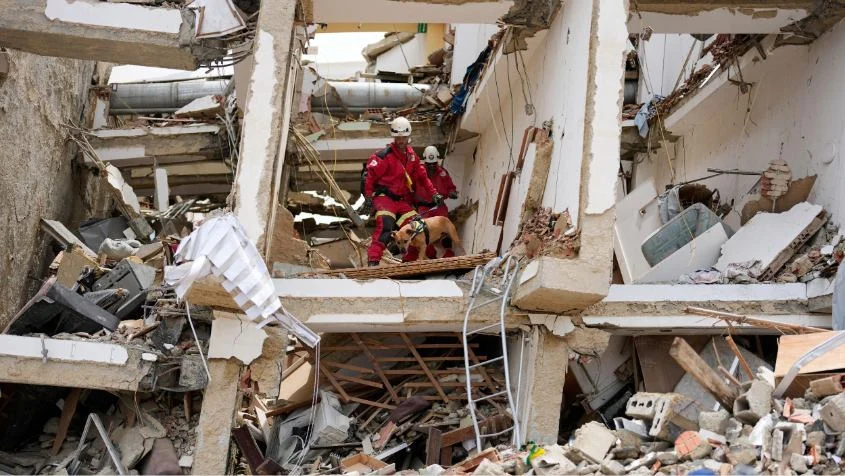
The urgency behind this legislative shift is grounded in historical data regarding the El Niño phenomenon. Past events have consistently demonstrated that the Peruvian economy suffers significant losses—often exceeding 2% of GDP—due to the destruction of transport networks and the collapse of water and sewage systems.
According to government reports, the delay in project execution has often been attributed to the fragmentation of environmental and administrative permits. By consolidating these processes for "prioritized projects," the administration intends to reduce the "permitting gap" by approximately 40%. The focus on water and energy is particularly critical; these sectors are the lifeblood of urban and rural resilience. In previous climate events, the failure of power grids caused cascading effects, including the loss of medical services and the disruption of local commerce. The new powers allow the government to preemptively fortify these assets, treating them as national security priorities.
Official Responses and Political Debate
The legislative process was not without its detractors. The 18 votes cast against the measure reflect deep-seated concerns regarding the concentration of power in the Executive branch.
The Government’s Stance
President Fujimori’s administration has maintained that the status quo is insufficient. In various public statements, cabinet members have argued that "emergency situations require emergency tools." They emphasize that the current legal framework is optimized for stable, long-term planning, not the rapid-response cycle required by the current climate outlook.

The Legislative Oversight
Senator Carlos Mesía, the architect of the Senate’s version of the bill, was careful to reassure the public that this is not a "blank check." During the floor debate, he clarified:
"The delegation of powers does not imply an abandonment of our democratic controls. These decrees must still align with constitutional mandates, and we have strictly forbidden the use of these powers to circumvent environmental protection laws or jeopardize our national cultural heritage."
The Opposition View
Critics, primarily from the opposition benches, have expressed skepticism. They argue that the simplification of administrative procedures could inadvertently lead to corruption or the erosion of environmental safeguards. There is a fear that "prioritized projects" might become a euphemism for fast-tracking contracts without adequate competitive bidding, potentially benefiting well-connected firms at the expense of public transparency.
Implications: A New Era for Public Works
The implementation of these powers will be closely watched by international investors, civil society, and regional governments. The implications are wide-ranging:
Economic Stability
If successful, the expedited construction of bridges and highways will lower logistics costs and improve the connectivity of the interior of the country to export hubs. By ensuring that water and energy services remain operational, the government hopes to maintain economic activity even in the event of severe flooding.

Institutional Autonomy
A major point of contention during the debate was the potential encroachment on the autonomy of regional and municipal governments. The Senate included specific language in the final act to ensure that the Executive must coordinate with subnational authorities. However, legal experts warn that the true test will be in the actual application of the decrees. If the central government moves to impose projects on local jurisdictions without consent, it could lead to significant social unrest.
Legal Precedent
The use of legislative delegation in this context sets a high bar for future administrations. If the government achieves a measurable reduction in disaster impact through these decrees, it may become the standard practice for dealing with climate-related emergencies. Conversely, if the process is marred by scandal or failure, it could lead to a legislative "correction" that severely limits the Executive’s ability to act in future crises.
Conclusion: The Path Ahead
The Senate’s decision to grant these powers is a calculated risk. It acknowledges that the traditional pace of bureaucracy is ill-suited to the accelerating threats of the 21st century. For the next 90 days, the Executive holds the responsibility of demonstrating that efficiency and accountability are not mutually exclusive.
As the government moves to draft the necessary decrees, the public and the media will play a critical role in monitoring the process. The focus will remain on whether these "prioritized projects" truly serve the needs of the most vulnerable populations or if they simply represent a faster way to complete large-scale infrastructure. With the El Niño phenomenon looming, the clock is ticking, and the results of this legislative gamble will have profound consequences for the stability and prosperity of the nation.
The upcoming months will serve as a definitive test of the current administration’s capacity to govern through crisis, using the expanded legal toolkit provided by the legislature to protect the nation’s future.