Executive Summary
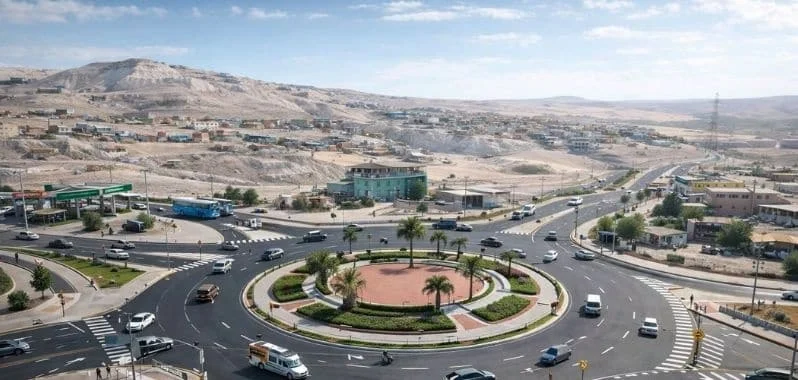
The infrastructure landscape in the Moquegua region is poised for a significant transformation following the Ministry of Transport and Communications (MTC) issuance of Ministerial Resolution No. 584-2026-MTC/01.02. This legal instrument officially declares a state of emergency for a strategic segment of the Moquegua–Torata highway for a period of 180 days. The primary objective of this intervention is the construction and optimization of the Chen Chen oval (interchange), a project long delayed by administrative hurdles and bureaucratic bottlenecks.
This initiative, spearheaded by Regional Governor Gilia Gutiérrez following high-level negotiations in Lima with MTC Minister Angello Tangherlini, represents a pivotal shift in public-private collaboration. By leveraging a financing agreement with Anglo American Quellaveco, the regional government aims to mitigate the acute risks of vehicular accidents, severe traffic congestion, and the operational challenges posed by heavy-duty mining transport in the area.
The Core Challenge: Why the Chen Chen Oval Matters
The Chen Chen oval has long been identified as a "black spot" in the regional transport network. Its location acts as a critical node connecting the urban center of Moquegua with the mountainous regions and industrial zones serviced by mining operations.
Infrastructure Deficiencies
For years, the existing road geometry at the Chen Chen junction has been insufficient to handle the volume and weight of contemporary traffic. Key issues include:
- Safety Hazards: The intersection has been a recurring site for traffic accidents due to inadequate signaling, poor sightlines, and narrow entry/exit lanes.
- Heavy Transport Burden: The influx of heavy-duty vehicles, primarily associated with the region’s robust mining sector, has caused premature pavement deterioration and created dangerous interaction points with light passenger vehicles.
- Bottleneck Effects: During peak hours, the lack of an efficient interchange system leads to significant gridlock, delaying the transit of residents, goods, and emergency services.
Chronology of the Intervention
The path to the current resolution has been characterized by years of regional advocacy and inter-institutional tension.
- Pre-2026: Persistent complaints from the local community regarding the danger posed by the intersection. Despite several proposals, bureaucratic delays and disputes over jurisdictional responsibility between the MTC and local authorities stalled any meaningful progress.
- Early 2026: Governor Gilia Gutiérrez identifies the Chen Chen project as a top priority for her administration, initiating formal dialogues with the central government.
- Mid-2026: Negotiations with Anglo American Quellaveco reach a breakthrough, with the mining firm agreeing to provide the necessary funding for the construction under an investment-for-works model.
- October 2026: Minister Angello Tangherlini meets with Governor Gutiérrez in Lima. The urgency of the situation leads to the drafting and publication of Ministerial Resolution No. 584-2026-MTC/01.02.
- Present Day: The declaration of emergency is in effect, providing the legal "fast track" necessary to bypass standard procurement delays. A technical working group is convened at the regional headquarters to ensure construction commences before the third week of November.
Supporting Data and Stakeholder Roles
The success of this project hinges on a tripartite relationship between the Regional Government of Moquegua, the national MTC, and the private sector.

The Role of Anglo American Quellaveco
The participation of Anglo American is not merely financial; it is a strategic alignment of regional development goals. As a major stakeholder in the local economy, the company’s involvement ensures that the infrastructure supporting its logistics also serves the broader public interest. Under the current agreement, the company provides the capital, while the MTC serves as the regulatory and supervisory body to ensure that the construction adheres to national road safety standards.
The MTC’s Supervisory Mandate
While the declaration grants the regional government significant autonomy to expedite the project, the Ministry of Transport and Communications remains the ultimate authority. Their role involves:
- Technical Approval: Reviewing and approving the engineering designs to ensure they meet national highway safety codes.
- Regulatory Oversight: Ensuring that the emergency status is used strictly for the purpose of the road works and not as a pretext for non-related public spending.
- Coordination: Facilitating the integration of this segment with the broader national highway system.
Official Responses and Political Implications
Governor Gilia Gutiérrez has framed this development as a victory over "years of excuses and bureaucracy." In her official statements, she emphasized that the declaration is a testament to what can be achieved when political will is aligned with the needs of the populace.
"When we put the needs of Moquegua at the center of our discourse, we see that the state can be agile," the Governor noted during a recent briefing. "The bureaucratic weight that previously paralyzed this project has been dismantled by this emergency decree. We are not just building a roundabout; we are saving lives and facilitating the economic movement of our region."
The political implication for the regional administration is significant. By delivering on a project that many residents believed would remain a "ghost promise," the Governor strengthens her mandate and demonstrates the efficacy of a "get-it-done" governance style.
Implications for the Future of Moquegua
The immediate goal is clear: the commencement of construction by the third week of November. However, the long-term implications of this emergency intervention extend beyond the physical road.

Economic Impact
An improved Chen Chen oval will reduce transit times for agricultural and industrial products, effectively lowering logistics costs for regional businesses. By smoothing the traffic flow, the project will also lower vehicle maintenance costs for local residents who currently suffer the brunt of the existing road’s degradation.
Safety and Social Well-being
The reduction in accident risk is the most tangible social benefit. By creating a modern, safe interchange, the project directly addresses the public health concern of traffic-related injuries and fatalities in the district.
A Model for Future Projects
The structure of this project—whereby an emergency declaration allows for private financing of public infrastructure—could serve as a template for other regions in Peru. If successful, it may convince the central government to adopt similar "expedited intervention" models for other critical points of the national road network that are currently stifled by standard procurement cycles.
The Road Ahead: Technical and Operational Challenges
While the declaration of emergency removes the primary legal barrier, the construction phase will not be without challenges. The technical team at the regional headquarters is currently focusing on:
- Traffic Management Plans: Developing a strategy to allow construction to proceed without completely severing the vital Moquegua–Torata link, which remains a key transit artery.
- Procurement of Materials: Ensuring that the supply chain is robust enough to meet the accelerated construction timeline of the next 180 days.
- Environmental and Community Liaison: Managing the temporary disruptions that such a significant civil work project will inevitably cause to neighboring communities.
Conclusion
The declaration of emergency for the Moquegua–Torata highway is a milestone that marks the end of a long period of stagnation. Through the collaboration of regional authorities, the MTC, and the private sector, the Chen Chen oval is finally moving from the drafting board to reality. For the people of Moquegua, this represents a tangible improvement in their daily quality of life and a significant step forward in the modernization of regional infrastructure. As the project enters its execution phase, all eyes will be on the construction timeline, with the community hopeful that the "third week of November" will indeed be the start of a safer, more connected future.