Main Facts: The Current State of the Exchange Rate
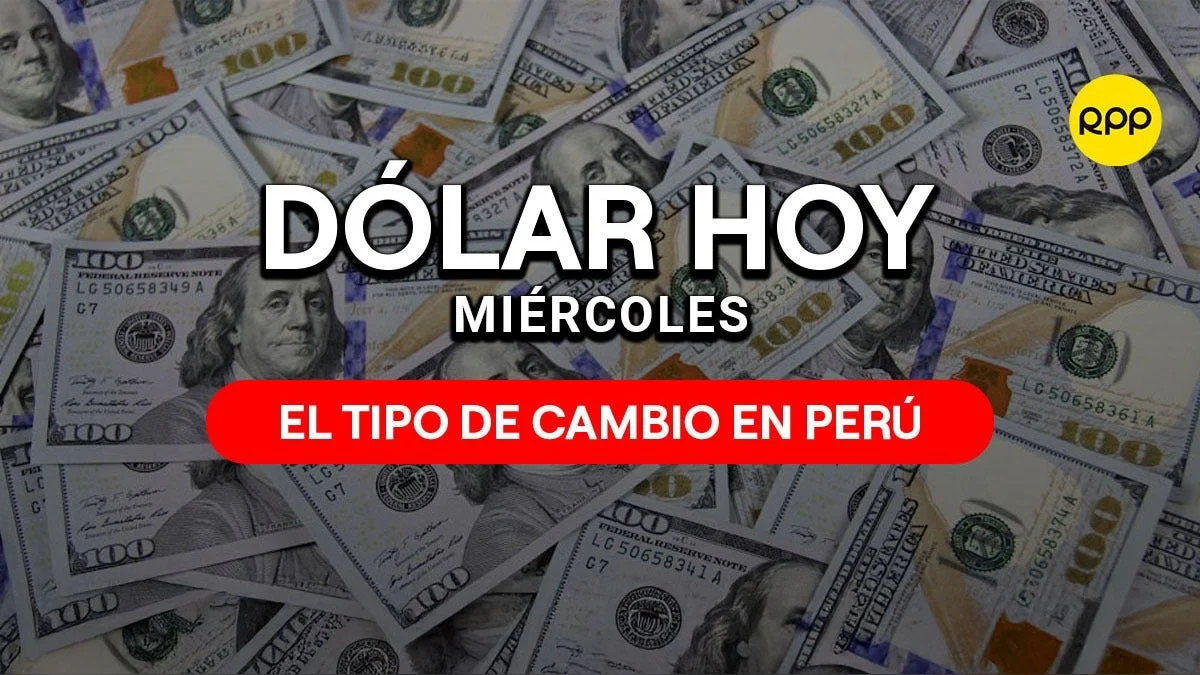
As of Wednesday, October 21, the United States dollar is trading at S/3.43, according to the official figures provided by the Central Reserve Bank of Peru (BCRP). This valuation serves as a critical benchmark for the Peruvian financial system, influencing everything from wholesale import costs to the daily purchasing power of the average citizen.
The exchange rate is not merely a number on a screen; it is a barometer of economic health and a decisive factor in the national cost of living. For a country like Peru, which maintains a highly dollarized economy with significant import-dependent sectors, the fluctuation of the greenback is a constant point of concern for policymakers, business owners, and households alike.
Chronology: The Evolution of Peru’s Currency Landscape
To understand the significance of today’s rate, one must look at the historical context of the Peruvian Sol (PEN).
- The Stabilization Era (Early 2000s): Following the economic instability of the late 20th century, Peru adopted a regime of inflation targeting and a flexible exchange rate. This allowed the BCRP to intervene only when necessary to curb excessive volatility, fostering a period of unprecedented growth.
- The Commodity Boom (2005–2013): During this period, high global demand for minerals kept the Sol strong, often causing the dollar to trade at lows that pressured exporters.
- Recent Global Shocks (2018–Present): The onset of international geopolitical tensions, coupled with the global health crisis, introduced a new era of volatility. The shift toward "safe-haven" assets often drives investors back to the US dollar, putting persistent upward pressure on the exchange rate in emerging markets like Peru.
- October 2020 Context: As we observe the rate of S/3.43 this October, it represents a culmination of months of balancing domestic recovery efforts against international market uncertainties.
Supporting Data: Why the Dollar Matters
The influence of the dollar on the Peruvian economy is grounded in empirical data. Because Peru imports a significant portion of its industrial inputs, refined fuels, and consumer electronics, the exchange rate acts as a "pass-through" mechanism for inflation.
Key Indicators Affected by Exchange Rate Volatility:
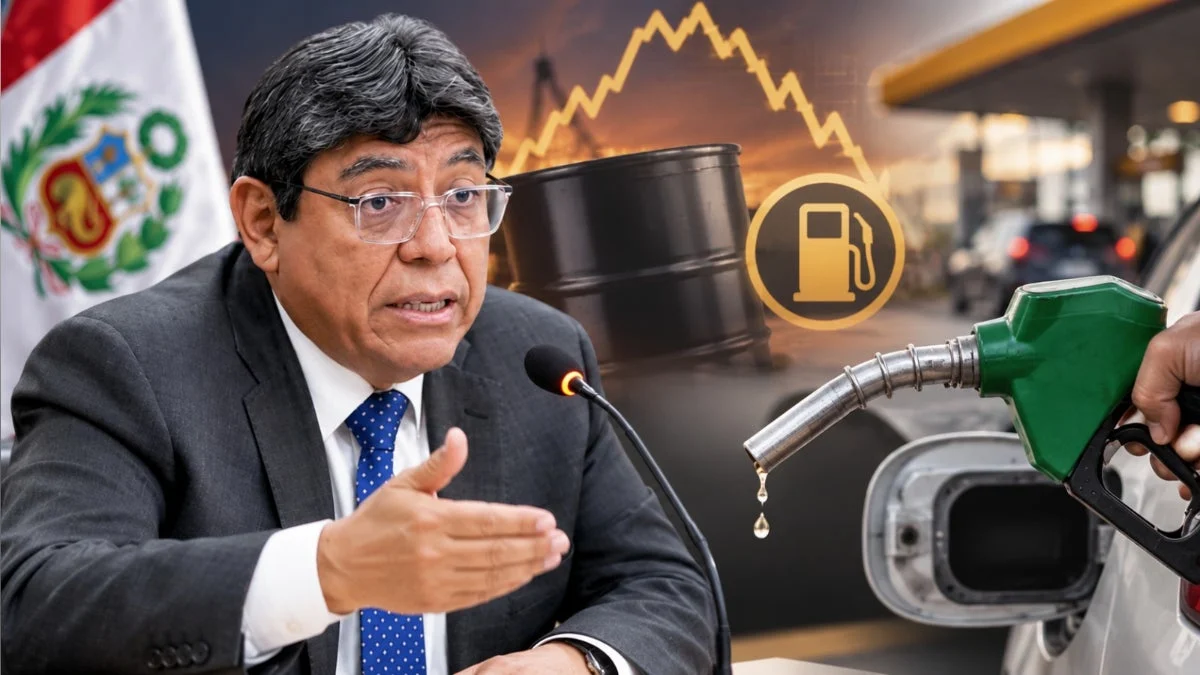
- Import Inflation: When the Sol depreciates against the dollar, the cost of goods denominated in foreign currency rises. This is particularly noticeable in the price of fuel (gasoline and diesel), which dictates transportation costs for food and essential services.
- Dollarized Debt Exposure: A significant portion of private debt in Peru is held in US dollars. For households with dollar-denominated mortgages or auto loans, a spike in the exchange rate can lead to an immediate reduction in disposable income as the cost of monthly installments increases in Soles.
- The "Safe Haven" Effect: Conversely, for those who hold savings in dollars, a rising exchange rate serves as a hedge against inflation. This dual nature creates a bifurcated economic experience: those who earn in Soles but have dollar expenses suffer, while those who have dollar-denominated savings see their purchasing power increase.
Official Responses: The Role of the Central Reserve Bank
The Central Reserve Bank of Peru (BCRP) plays a pivotal role in managing these fluctuations. Under the leadership of its governing board, the BCRP employs a strategy of "managed floating." This means they do not set a fixed price for the dollar, but they intervene in the secondary market by buying or selling foreign currency to prevent sharp, speculative movements that could destabilize the economy.
Strategies for Stability:
- Interventionism: The BCRP holds substantial international reserves to act as a buffer. By injecting liquidity into the market when the dollar surges too rapidly, they maintain a predictable environment for businesses.
- Interest Rate Policy: By adjusting the benchmark interest rate, the BCRP attempts to influence the attractiveness of the Sol. Higher interest rates can encourage domestic saving and stabilize the currency, though this must be balanced against the need to stimulate economic growth.
- Clear Communication: The transparency of the BCRP’s reports is essential. By providing clear guidance on the economic outlook, they reduce market anxiety and prevent panic-driven buying of foreign currency.
Implications: Navigating the Daily Economy
The practical implications of an exchange rate at S/3.43 extend to every layer of Peruvian society. Understanding these shifts is no longer reserved for economists; it is a necessary skill for financial survival.
Implications for Households
For the average family, the most immediate impact is felt at the supermarket and the gas station. When the dollar rises, the "imported inflation" effect hits. Electronics, medicines, and even processed foods that rely on imported components become more expensive. To mitigate this, financial experts recommend:
- Debt Management: If possible, refinancing dollar-denominated loans into Soles can eliminate the risk of future exchange rate spikes.
- Budgeting: Maintaining an "emergency fund" in the currency of your primary expenses is crucial.
- Diversification: For those who can save, maintaining a mix of both Soles and dollars can act as a natural hedge against volatility.
Implications for Businesses
Small and medium-sized enterprises (SMEs) are the most vulnerable. A business that imports raw materials but sells its finished product in Soles faces a "margin squeeze." If they cannot pass the increased costs on to the consumer, their profitability drops significantly. Many businesses have begun to utilize financial instruments like "forward contracts" to lock in exchange rates for future purchases, providing a level of cost certainty in an uncertain market.
The Macroeconomic Perspective
On a national scale, a stable exchange rate is essential for foreign direct investment. International investors prefer markets where currency risk is manageable. Therefore, the BCRP’s commitment to maintaining a steady rate of S/3.43—or any specific target—is fundamentally about signaling to the world that Peru remains an attractive and stable destination for capital.
Conclusion: Adapting to a Changing Market
The exchange rate of S/3.43 on October 21 is more than a statistic; it is a reflection of the intricate dance between local fiscal policy and global economic forces. As Peru continues to navigate the complexities of the 21st-century economy, the dollar will remain a central character in the national narrative.
For the citizen, the lesson is clear: awareness is the best defense. By monitoring the trends reported by the BCRP, understanding one’s own exposure to foreign currency, and making informed decisions regarding debt and savings, one can navigate the peaks and valleys of the exchange rate. While the dollar will continue to fluctuate based on global events, a well-informed populace and a vigilant Central Bank remain the strongest pillars of economic resilience.
As we look toward the future, the stability of the Sol remains a shared responsibility, requiring a balance between prudent individual financial planning and the macro-level oversight that keeps the Peruvian economy on a steady course. Staying informed is not just an advantage—it is the key to maintaining financial stability in an increasingly interconnected world.