Executive Summary: A Call for Structural Transformation
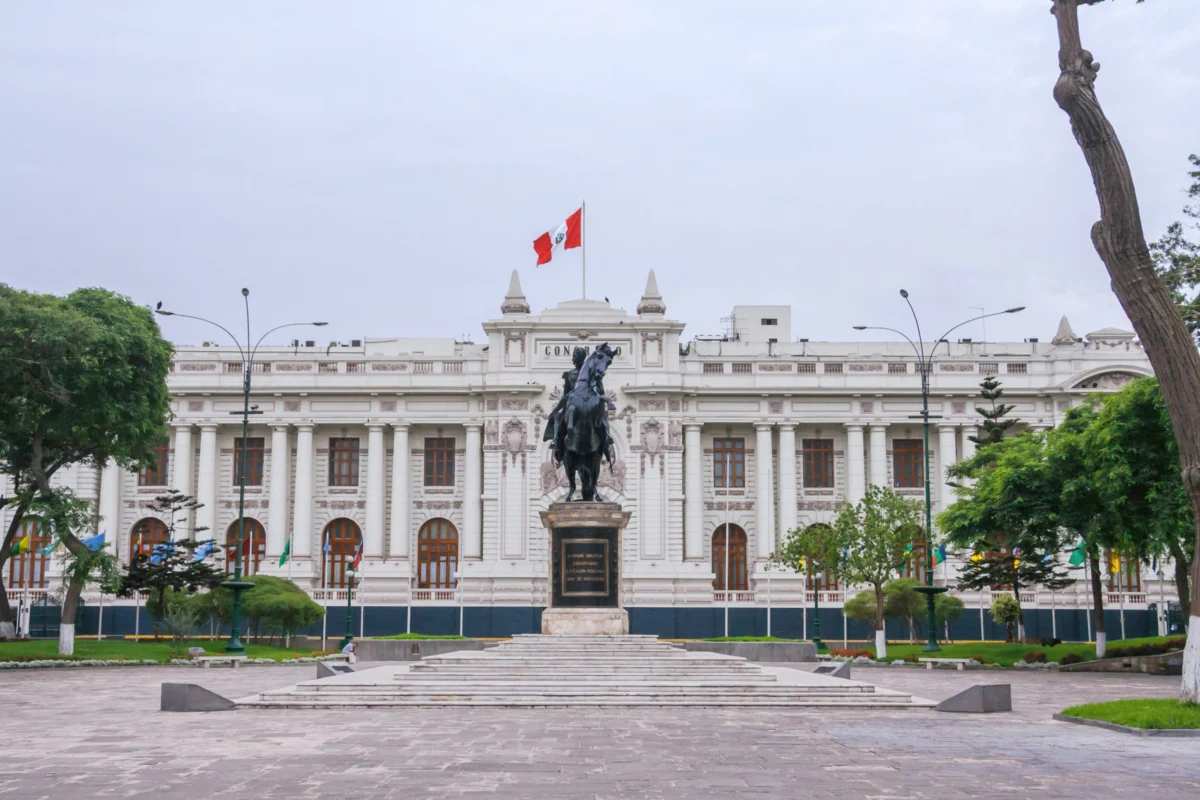
The recent decision by the Peruvian Congress to approve a delegation of legislative powers has sparked a significant debate regarding the country’s economic trajectory. While the legislative branch has prioritized immediate concerns such as citizen security and the mitigation of risks associated with the El Niño phenomenon, the Society of Foreign Trade of Peru (ComexPerú) has raised a critical alarm: the current scope of the granted powers is insufficient to address the structural bottlenecks strangling the nation’s economic potential.
According to ComexPerú, the current legislative agenda suffers from a "short-termist" bias. While security and disaster prevention are undeniably vital for national stability, they cannot serve as a substitute for a comprehensive structural reform agenda. For Peru to break free from the cycles of stagnation and low productivity, the government must integrate measures that stimulate private investment, slash bureaucratic red tape, foster formalization, and professionalize the public administration.
Chronology of the Legislative Process
To understand the current impasse, one must look at the timeline of the legislative delegation process:
- Initial Proposal: The Executive branch requested the delegation of powers to address specific, urgent needs. The initial discourse was heavily focused on the rising crime rates and the looming threats posed by climate change.
- Congressional Deliberation: Over several weeks, the legislative commissions reviewed the request. During this phase, various business associations—including ComexPerú—provided feedback, urging lawmakers to expand the scope of the powers to include economic recovery measures.
- The Approval Phase: The Chamber of Deputies moved forward with the approval, focusing predominantly on security and environmental management, effectively sidelining the broader economic reforms requested by the private sector.
- Current State: The matter is now moving toward the Senate for final evaluation. This stage represents the last window of opportunity for the inclusion of critical amendments before the delegation becomes law.
Supporting Data: The Cost of Inaction
The urgency of the situation is reflected in the stark economic realities currently facing the Peruvian workforce and business sector.
The Informal Economy Trap
Perhaps the most alarming indicator is the persistence of labor informality. Data consistently shows that approximately seven out of every ten workers in Peru remain within the informal sector. This is not merely a statistical anomaly; it is a structural barrier to development. Informal enterprises lack access to credit, face limited market reach, and do not contribute effectively to the tax base, all while leaving the workforce without social security or employment protections.
Regulatory Burden and Bureaucracy
Peru’s "Doing Business" environment remains burdened by excessive administrative requirements. The lack of standardized procedures across different municipalities and regional governments creates a labyrinthine environment that discourages both domestic and foreign investment. Research suggests that a reduction in bureaucratic friction could significantly improve the Total Factor Productivity (TFP) of the nation, yet these administrative hurdles remain largely untouched in the current legislative draft.
The Core Pillars of Requested Reform
ComexPerú has identified four fundamental areas where the current legislative delegation falls short and requires urgent correction:
1. Promoting Formalization and Employment
The current legislative package lacks incentives for micro and small enterprises (MSEs) to transition into the formal economy. To generate high-quality jobs—especially for the youth—the government must implement reforms that simplify tax compliance and lower the non-wage costs of labor. Without these, the "informality trap" will continue to perpetuate poverty and income inequality.
2. Quality Regulation and Bureaucratic Efficiency
The country suffers from a "regulatory inflation," where new laws are enacted without a thorough assessment of their impact on the market. ComexPerú argues that the government must establish a robust framework for regulatory quality. This includes the elimination of duplicate administrative steps that plague mining and infrastructure projects. Importantly, this is not a call to lower environmental standards; rather, it is a plea for predictability and efficiency within those standards.
3. Modernization of Public Management
A state that cannot execute its own budget effectively is a state that cannot grow. The modernization of the public sector remains a stalled project. There is an urgent need to:
- Implement a strict meritocratic system for public sector appointments.
- Professionalize the human resources departments within ministries.
- Leverage digital transformation to reduce the time taken to approve public works and services.
4. Sustainable Investment Environment
For Peru to compete globally, it needs to attract long-term capital. This requires a stable legal framework. The delegation of powers provides a unique opportunity to clarify the rules of the game for major projects, ensuring that they can move forward without being stalled by bureaucratic negligence or political instability.
Official Responses and Perspectives
The government’s stance, as reflected in the parliamentary debate, has been one of prioritization. Proponents of the current legislative package argue that without addressing the immediate threat of crime and the potential destruction caused by El Niño, there will be no stable environment in which to conduct business. They argue that "structural reform" is a luxury that cannot be pursued while the streets are unsafe.
However, the private sector counters this with a macroeconomic argument: Security is a derivative of prosperity. A country that cannot provide jobs for its youth will inevitably face higher crime rates. By failing to address the underlying economic malaise, the government is treating the symptoms of a disease while ignoring the cause.
Implications: The Path Ahead
The implications of the Senate’s upcoming vote are profound. If the Senate fails to incorporate these structural reforms, the Peruvian economy risks a prolonged period of "mediocre growth."
The Risk of Stagnation
Without clear legislative action, the private sector is likely to remain in a "wait-and-see" mode. Investment cycles require a horizon of predictability. When the government demonstrates a lack of political will to modernize the state, investors look to more competitive jurisdictions in the region, such as Chile, Colombia, or even parts of Southeast Asia.
The Call to Action for the Senate
ComexPerú’s message to the Senate is clear: The delegation of powers must be expanded to include specific, measurable reforms. This is not a request for a "blank check" for the Executive branch, but rather a request for targeted legislative mandates aimed at:
- Economic Reactivation: Specific tax and labor incentives.
- Public Sector Efficiency: Reforms to the civil service law.
- Bureaucratic Simplification: A mandate to audit and eliminate redundant procedures.
Conclusion: A Balanced Agenda
Peru stands at a crossroads. The country possesses the natural resources, the macroeconomic stability, and the entrepreneurial spirit to thrive. However, the legislative framework governing the economy is increasingly disconnected from the needs of the 21st century.
The Senate has the opportunity to redefine the narrative. By integrating the structural reforms proposed by industry leaders into the current legislative delegation, the government can send a powerful signal to the international community: Peru is not just surviving its current challenges, but actively laying the groundwork for a future of sustainable, inclusive, and robust economic growth.
Addressing the urgent—security and disaster prevention—is necessary, but it must be paired with the essential—modernization, formalization, and investment promotion. Anything less will be a disservice to the future of the Peruvian people.