Executive Summary: A Milestone for Regional Education
In a significant stride toward bridging the educational infrastructure gap in the Peruvian highlands, the District Municipality of Punchao, located in the Huamalíes province of Huánuco, is advancing with a transformative project for a new early childhood education facility. With technical guidance provided by the Organismo de Estudios y Diseño de Proyectos de Inversión (OEDI), this initiative is set to provide a modern, secure, and inclusive learning environment for more than 100 children in the region.
The project represents a concerted effort between local government and specialized national technical bodies to ensure that rural educational infrastructure meets modern safety, accessibility, and pedagogical standards. As the project moves from the study phase to final technical design, it stands as a model for how centralized technical expertise can empower municipal governments to deliver high-impact social infrastructure.
The Core Project: Design and Structural Specifications
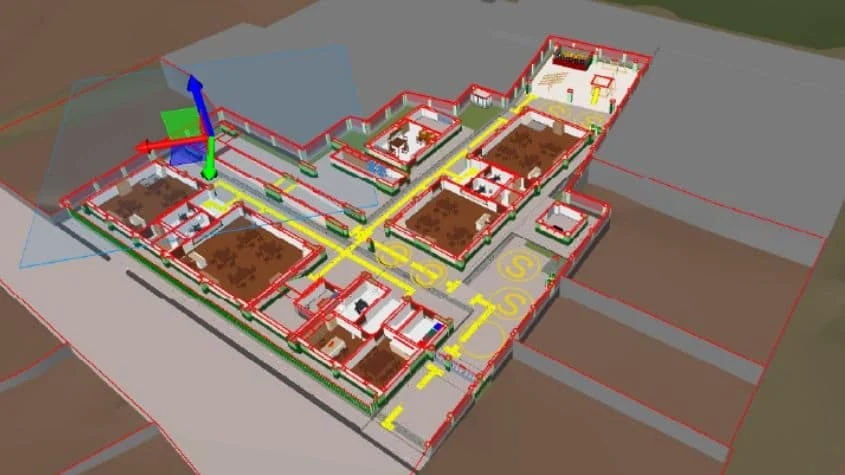
The proposed school is not merely a building but a comprehensive educational facility designed to accommodate the specific needs of early childhood learners. Spanning a total area of 1,500 square meters, the design prioritizes functionality and safety, incorporating several key features that elevate it above standard rural construction projects.
Facility Breakdown
- Capacity: The facility will host more than 100 students, focusing on early education to ensure a strong academic foundation for the district’s youth.
- Academic Spaces: Six fully equipped classrooms designed to facilitate modern teaching methodologies.
- Recreational Areas: A covered playground, essential for ensuring that physical activities and social development can continue uninterrupted by the harsh weather patterns common in the Andean region.
- Support Services: The inclusion of a dedicated kitchen area—vital for student nutrition programs—and specialized administrative and support spaces for teaching staff.
- Universal Accessibility: A central pillar of the design is inclusivity, featuring a ramped access system to the second floor, ensuring full mobility for students or staff who rely on wheelchairs.
Chronology: From Concept to Technical Finalization
The progress of the Punchao school project follows a structured methodology dictated by the requirements of public investment in Peru.

- Initial Assessment: The project began with a thorough evaluation of the existing educational needs in Punchao, identifying a deficit in modern infrastructure for early childhood education.
- Topographic Analysis: Following the site selection, engineers conducted a comprehensive topographic study. This was critical in determining the elevation requirements to protect the site from the region’s intense seasonal rains.
- Basic Studies: The initial phase focused on geotechnical and environmental feasibility, ensuring the 1,500-square-meter site could support the planned structural load.
- Specialized Technical Design (Current Phase): According to Claudia Llallico, an architecture specialist at OEDI, the project is currently in the advanced stages of developing specific engineering disciplines. This includes the intricate planning of electrical systems, sanitation infrastructure, and structural reinforcement.
- Future Milestones: Once the technical dossier is finalized, the project will move to the bidding and execution phases, which will be monitored to ensure compliance with the finalized technical specifications.
Technical Resilience: Climate Adaptation Strategies
A critical aspect of the project’s design is its resilience against climate-related risks. The Huánuco region is prone to heavy rainfall, which has historically resulted in infrastructure damage for older, poorly elevated facilities.
To mitigate this, the engineering team has integrated a "Climate-Smart" approach. By performing a precise topographic survey, the designers have determined that the entire school facility must be elevated to match the grade level of the surrounding street. This elevation strategy is not merely an architectural choice but a fundamental engineering requirement to prevent flooding and ensure the building remains a safe haven during extreme weather events.
The Role of OEDI: Providing Technical Expertise
The Organismo de Estudios y Diseño de Proyectos de Inversión (OEDI), an entity attached to the Presidency of the Council of Ministers (PCM), plays a pivotal role in this initiative. Often, municipal governments—particularly those in rural provinces like Huamalíes—lack the specialized personnel required to develop complex technical dossiers for public works.
OEDI fills this gap by acting as a technical bridge. By providing the municipal government of Punchao with the specialized knowledge needed for pre-investment studies and technical file development, OEDI ensures that the final product adheres to national building codes and educational ministry standards.

"We are providing full assistance to the municipality," stated Claudia Llallico. "Our work involves meticulous planning of the electrical, sanitary, and structural systems to ensure the building is not only beautiful but also durable and sustainable for decades to come."
Implications for the Huamalíes Province
The impact of this project extends beyond the walls of the classrooms. In the province of Huamalíes, the quality of educational infrastructure is a key factor in school attendance and student retention.
Social and Educational Impact
- Early Childhood Development: By targeting the early education sector, the project intervenes at the most critical stage of cognitive development.
- Incentivizing Enrollment: High-quality, safe, and modern facilities act as a catalyst for parents to enroll their children in formal education, which is particularly important in rural areas where school access is sometimes limited.
- Teacher Retention: Providing adequate environments for teachers—including dedicated workspaces and modern sanitary facilities—is a known factor in improving educator satisfaction and retention in rural districts.
Economic and Administrative Impact
The success of this project serves as a case study for the "Invierte.pe" framework, demonstrating that with the right technical support, regional and local governments can execute complex public works efficiently. It highlights the importance of the decentralized support model provided by the PCM, which allows the central government to support regional growth without stripping municipalities of their administrative autonomy.
Looking Forward: A Model for Regional Development
The Punchao school project stands as a testament to the power of targeted technical support in public infrastructure. While the construction phase is yet to conclude, the progress made thus far represents a significant victory for the community.

As the project enters the final stage of design development, the focus remains on maintaining the integrity of the structural and sanitary plans. The integration of modern electrical systems and accessible design features positions this school as one of the most modern in the Huamalíes province.
For the residents of Punchao, the new school will soon be more than just a collection of classrooms; it will be a cornerstone of the community, a center for social gathering, and a symbol of the government’s commitment to the long-term future of the region’s children. As the project progresses, it will continue to be a focal point for regional observers interested in the intersection of rural development, climate-resilient engineering, and educational policy.
Conclusion: Bridging the Gap
The commitment shown by the OEDI and the Punchao municipality to the rigorous technical development of this school demonstrates a professional approach to public investment. By addressing the physical challenges of the Andean terrain and prioritizing the needs of the youngest learners, the project is well-positioned to serve as a benchmark for future municipal infrastructure projects across Huánuco and beyond.
The successful delivery of this facility will mark the start of a new chapter for the children of Punchao, providing them with the resources they deserve to succeed in an increasingly competitive academic landscape. Through careful planning, expert technical assistance, and a focus on community needs, the Punchao school project illustrates how strategic investments in infrastructure can generate lasting, positive change for rural populations.