The expansion and modernization of the Jorge Chávez International Airport in Lima, Peru, were intended to cement the nation’s status as a premier aviation hub in South America. However, a significant rift has emerged between the airport operator, Lima Airport Partners (LAP), and the airline industry. At the heart of this friction is the Unified Airport Use Fee (TUUA) for international connections—a levy that has become a flashpoint for debate regarding passenger experience, operational costs, and the regional competitiveness of Lima’s air traffic.
Despite efforts by the concessionaire to find a middle ground, the dispute remains deadlocked, with airlines refusing to accept the charge and LAP maintaining that the fee is a necessary component of the airport’s financial model for its new terminal.
The Core Conflict: A Tug-of-War Over Costs
The conflict centers on the TUUA applied to passengers transferring through Lima on international flights. Since its implementation in December 2025, the fee has been met with staunch resistance from major air carriers. The airlines argue that the additional cost—currently set at US$10.05 plus IGV (sales tax)—inflates the price of tickets and undermines Lima’s ability to compete with other major regional hubs, such as Bogotá or Panama City, which are vying for the same transit passengers.
In an effort to break the stalemate, LAP recently proposed a significant reduction in the tariff. During the World Airport Group Assembly (WAGA) 2026, Juan José Salmón, CEO of Lima Airport Partners, revealed that the concessionaire had offered to slash the fee from US$10.05 to US$6.40 plus IGV per passenger—a reduction of approximately 36%.
"The proposal was communicated directly to the airlines, specifically those with the largest market share, such as LATAM," Salmón stated. "We have engaged in discussions with the new administration, and we know that the government has relayed this offer to the airlines through official channels. However, there has been no positive response. Their position remains firm at ‘zero cost.’"
A Chronology of the Discontent
The roots of the current controversy extend back to long-term planning for the Jorge Chávez International Airport.
- 2013: The Foundation: The regulatory framework for the TUUA, including the provision for international transfer fees, was established within the concession contracts signed in 2013. The fee was intrinsically linked to the commissioning of the new airport terminal.
- December 2025: Implementation: The fee went into effect upon the operational launch of the new terminal facilities. Almost immediately, airlines pushed back, citing the negative impact on transit volumes.
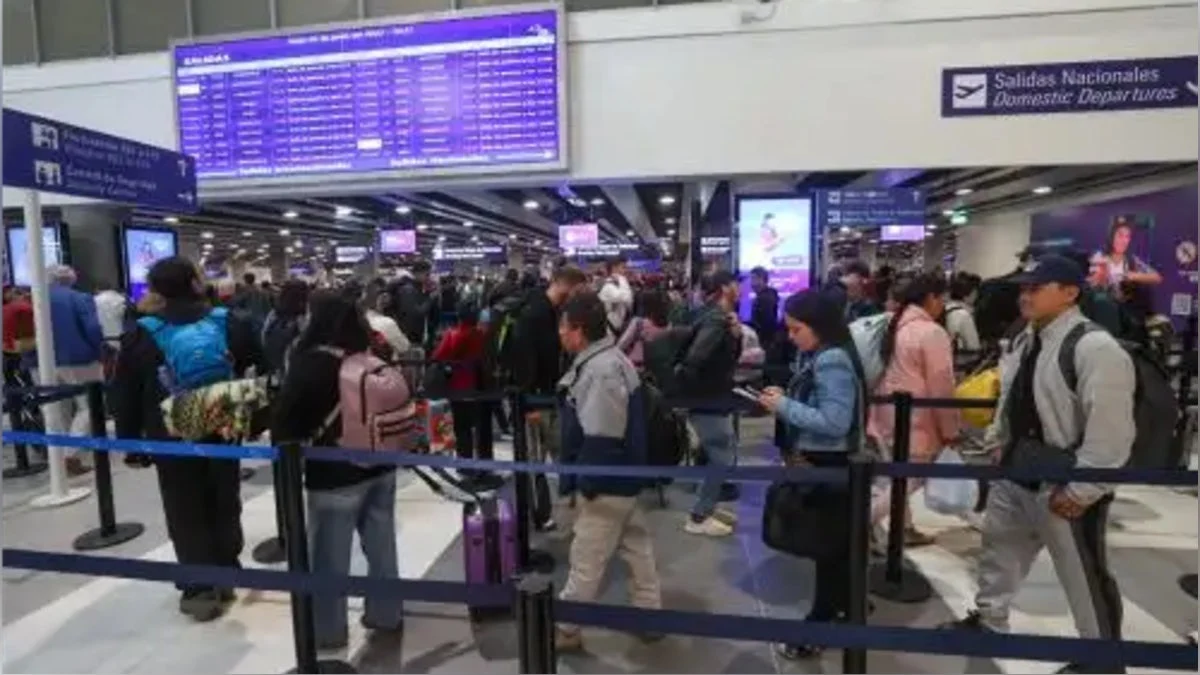
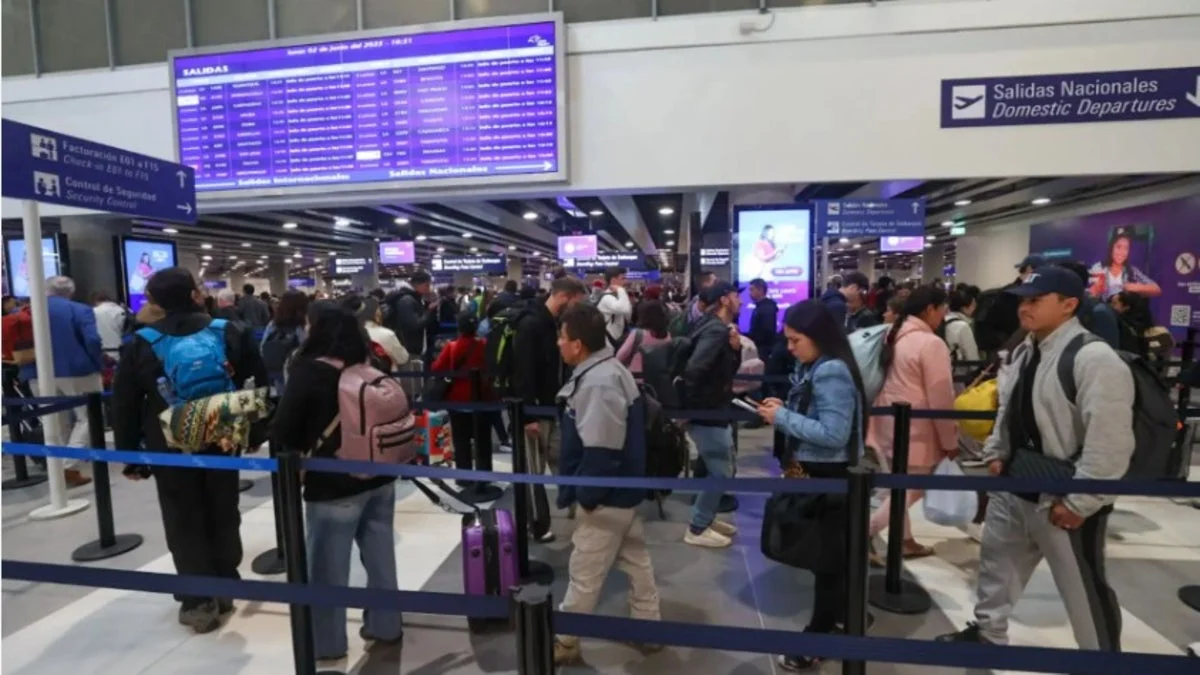
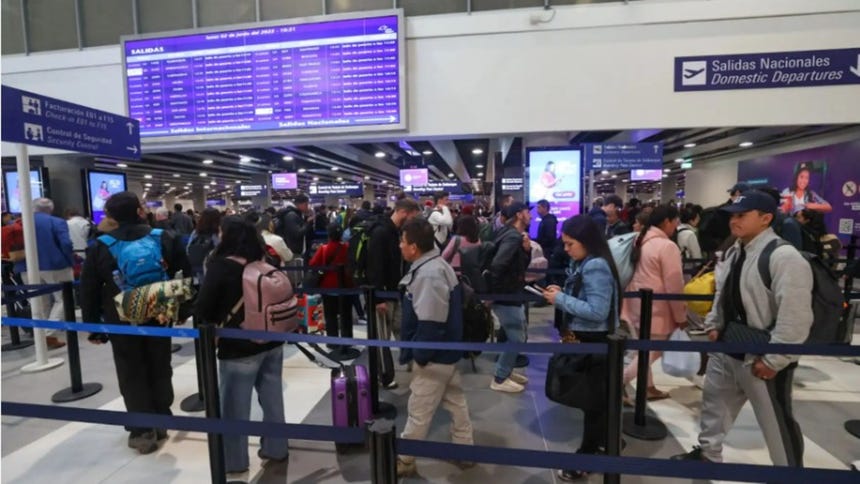
- Early 2026: Operational Friction: As passengers arrived at the airport, the lack of integration of this fee into ticket prices led to logistical bottlenecks at the terminal. Passengers, often unaware of the extra charge, were forced to pay on-site.
- July 2026: The Compromise Proposal: Recognizing that the standoff was hurting both the passenger experience and the airport’s image, LAP offered a 36% reduction in the fee, contingent upon the airlines agreeing to integrate the collection process into the ticket purchase system.
- Present Day (Late 2026): Stagnation: The proposal remains rejected by the industry, as airlines demand a full elimination of the tax rather than a reduction.
The Operational Dilemma: Passenger Experience
One of the most contentious aspects of the dispute is the collection mechanism. Currently, the TUUA is not included in the standard ticket price, requiring passengers to pay it during their connection in Lima.
LAP contends that the airlines are intentionally creating a negative passenger experience by refusing to facilitate the payment through their booking platforms. "The airlines are forcing their passengers to pay directly at the airport," Salmón alleged. "We have installed kiosks to streamline the process, and we offer the option to pay via our website. However, the airlines are not informing passengers with the necessary clarity that this payment can be handled online before they even reach the airport. They are essentially creating unnecessary friction for the traveler."
The airlines, conversely, argue that they should not be responsible for collecting a tax they fundamentally oppose. By refusing to incorporate the fee into their systems, they place the burden of collection on the airport operator, a move that the industry views as a way to highlight the unpopularity of the charge to the passengers themselves.
Regional Competitiveness and Economic Implications
The broader context of this battle is the fierce competition between South American airports. Lima’s geographic position makes it a natural candidate for a major hub, but the aviation industry warns that "hidden" costs like the TUUA could drive airlines to adjust their flight paths.
When a traveler looks to book an international connection, the total price is the primary driver. If an airline adds a $10 fee on top of a competitive fare, that flight suddenly becomes less attractive than one connecting through a hub that does not impose such a levy. For carriers like LATAM, which rely on the efficiency of the Lima hub, the existence of the TUUA is viewed as a strategic disadvantage.
"The industry position is quite clear," says an industry analyst who requested anonymity. "Airlines operate on thin margins. Any additional fee—especially one that is perceived as a barrier to transit—will be fought aggressively. The airlines aren’t just fighting for the $10; they are fighting to prevent a precedent where airport infrastructure costs are pushed directly onto the passenger at the point of transit."
Official Responses and Government Mediation
The Peruvian government finds itself in an uncomfortable position as a mediator. The Ministry of Transport and Communications (MTC) is tasked with ensuring that the concession contract is upheld while also maintaining a healthy, growing aviation sector.
While the government has facilitated meetings between LAP and the airline representatives, it has yet to force a resolution. The government is caught between its legal obligation to support the terms of the 2013 concession—which authorized the fee—and the political pressure to ensure that the airport remains affordable and attractive to international tourism and business.
LAP maintains that the fee is entirely legitimate. "This is a charge associated with the services and investments of a world-class airport," Salmón emphasized. "These investments were planned for years, and their recovery is essential to maintain the quality of the new terminal. It is not an arbitrary tax, but a reflection of the cost of providing a modern, efficient facility."
Looking Ahead: Is a Resolution Possible?
As 2026 draws to a close, the prospects for a near-term agreement appear slim. The airlines have indicated that their "zero-cost" stance is non-negotiable, while LAP seems to have reached the limit of its flexibility with the proposed 36% reduction.
There are three potential paths forward:
- Regulatory Intervention: The government could step in and adjust the concession terms, perhaps subsidizing a portion of the fee or mandating its inclusion in ticket prices by law.
- Market-Driven Pressure: If passenger traffic begins to decline, the economic reality may force a compromise. If the airlines see a drop in transfers through Lima, they may be forced to negotiate the fee to keep the hub profitable.
- Legal Escalation: If the stalemate persists, the matter could move into international arbitration, where the 2013 contract terms would be scrutinized against the current market realities.
For now, travelers passing through Lima should remain prepared. The "friction" noted by the airport operator is likely to continue, with many passengers arriving at the terminal only to discover they have one more transaction to complete before their connecting flight.
The dispute serves as a case study in the complexities of modern airport management. While infrastructure upgrades are necessary to drive growth, the method of financing those upgrades must be carefully managed to ensure that the end-user—the passenger—does not become the casualty of a clash between two powerful corporate giants. Until a consensus is reached, the Jorge Chávez International Airport will continue to operate with a cloud of uncertainty hanging over its international transfer operations.