Introduction
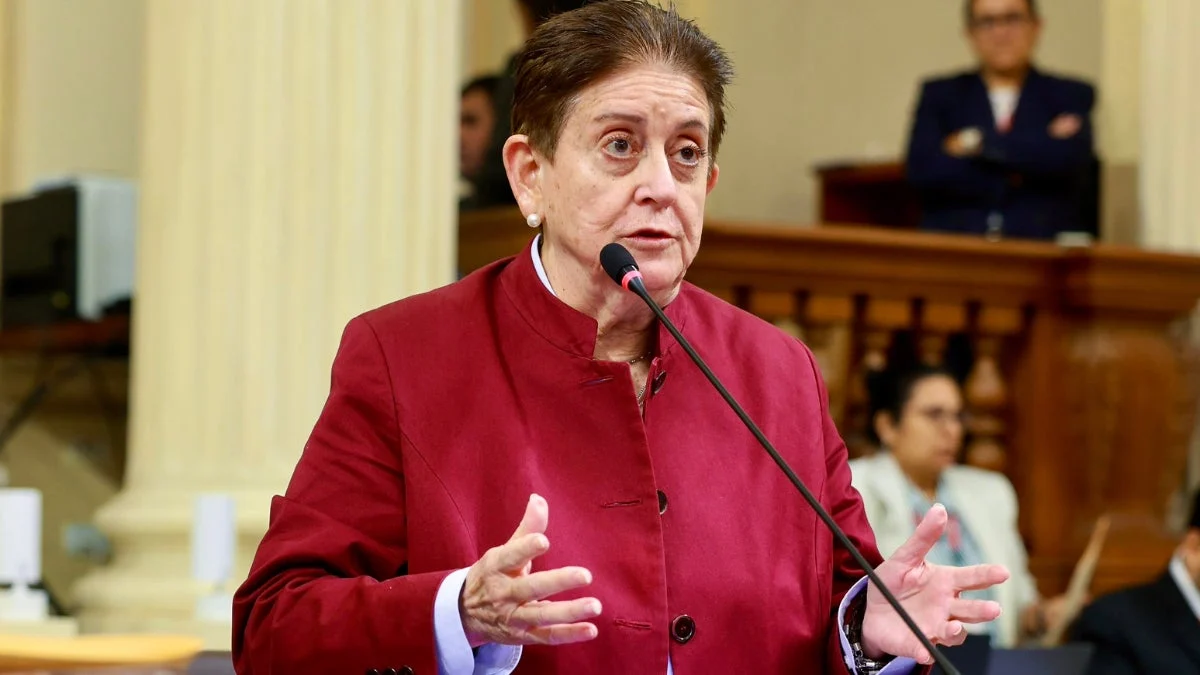
The Peruvian legislative landscape is currently embroiled in a high-stakes confrontation characterized by deep-seated ideological fractures and accusations of "proxy leadership." At the center of this storm is Senator Lourdes Alcorta, a prominent figure from the Renovación Popular party, who has launched a scathing critique against the leadership of the Juntos por el Perú (JPP) bench in the Chamber of Deputies.
The core of the dispute revolves around the handling of the Executive’s request for delegated legislative powers—a critical tool designed to address the escalating crisis of citizen security and the looming threat of the El Niño climate phenomenon. Alcorta’s declarations, delivered during an appearance on RPP’s Las cosas como son, have ignited a debate regarding parliamentary autonomy, the influence of unelected advisors, and the functionality of Peru’s bicameral system.
The Genesis of the Conflict: A Parliamentary Bottleneck
The legislative tension reached a boiling point when the Commission of the Constitution, chaired by Deputy Giannina Avendaño of Juntos por el Perú, opted to postpone the discussion regarding the executive branch’s request for delegated powers. This delay, viewed by many in the opposition as an unnecessary obstructionist maneuver, prompted swift condemnation from senior political figures.
Senator Alcorta did not mince words when characterizing the delay. She attributed the legislative stagnation directly to a "lack of experience" on the part of Chairwoman Avendaño. According to Alcorta, the parliamentary process was "needlessly directed" to create friction between the legislative and executive branches. She emphasized that the matters at hand—specifically crime prevention and disaster mitigation—are of national urgency and should transcend partisan bickering.
"There is no question of ideologies here," Alcorta remarked. "There was simply a desire to create obstacles. It was an unnecessary delay, driven by a lack of experience and, likely, by the directives of her political mentor."
The Shadow of Roberto Sánchez: Allegations of External Control
Perhaps the most explosive element of Alcorta’s commentary was her assessment of the power structure within Juntos por el Perú. The Senator explicitly identified the former congressman and political figure Roberto Sánchez as the "true architect" of the JPP’s legislative strategy.
Alcorta’s critique extends beyond the JPP bench, however. She suggested that other opposition groups within the Chamber of Deputies are operating under a "gravitational pull," blindly following the political agenda set by Sánchez and the JPP without exercising their own analytical independence.
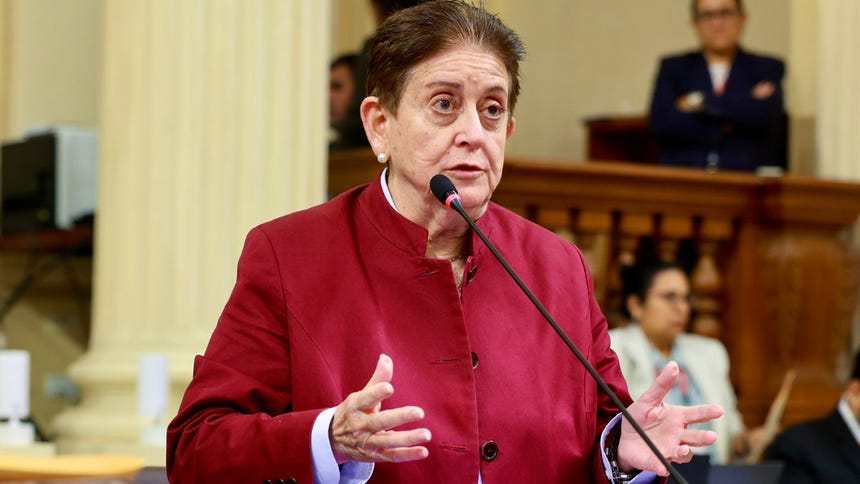
"Roberto Sánchez is the one who leads them, and his bench follows his commands," Alcorta stated. "The tragedy is that the other opposition groups follow suit out of a sense of political inertia. They lack a distinct personality or an independent strategic vision. They follow the trend, even when it leads to political contradictions or eventual retractions."
This accusation touches on a recurring concern in Peruvian politics: the influence of external advisors and party leaders who, despite not holding current congressional seats, exert significant pressure on the legislative agenda. For critics like Alcorta, this dynamic undermines the representative nature of the Chamber of Deputies, turning legislative benches into instruments of personal agendas rather than public policy engines.
Chronology of the Legislative Impasse
To understand the gravity of the current situation, one must examine the timeline of events leading up to this public confrontation:
- Initial Proposal: The Executive branch formally requested a package of delegated powers to enact decrees in the areas of security and climate preparedness.
- The Committee Delay: The Commission of the Constitution, led by Giannina Avendaño, delayed the vote on the request, citing procedural concerns. This triggered accusations of obstructionism.
- The Turning Point: After weeks of intense debate, the Committee finally approved a revised text of the request, but restricted it specifically to citizen security and El Niño mitigation measures.
- Public Outcry: Senator Alcorta’s public intervention serves as a post-mortem of the committee’s handling, framing the delay as a symptom of a deeper rot in legislative management.
- Future Trajectory: The approved measures are now slated for review in the Senate, where they face a significantly different political climate compared to the lower house.
Bicameralism in Action: The Senate’s Stance
While the Chamber of Deputies has been the stage for conflict, Senator Alcorta has sought to position the Senate as a stabilizing force. She firmly rejected the notion that the upper chamber intends to block or retaliate against the work performed by the lower house.
Alcorta clarified that the Senate operates with a clear understanding of its constitutional role. She expressed confidence that the proposal, once it reaches the Senate floor, will be handled with the gravity it deserves. "There is no intent among the parties or the senators to block initiatives that come from the Chamber of Deputies, provided they are in the best interest of the nation," she maintained.
This distinction is crucial. As Peru navigates its bicameral structure, the Senate’s role as a chamber of reflection is being put to the test. Alcorta’s comments serve as a signal to both the Executive and the public that the Senate intends to act as a corrective body, focusing on the urgency of the security crisis rather than engaging in the procedural gamesmanship she attributes to the lower house.
Supporting Data: Why Security and Climate Matter
The urgency surrounding the delegated powers is not merely political posturing. The data supporting the Executive’s request highlights a precarious national situation:

- Citizen Security: Crime rates in urban centers have seen a marked increase, with public perception of safety reaching historic lows. The executive branch argues that traditional legislative processes are too slow to keep pace with the evolving tactics of criminal organizations.
- Climate Preparedness: The El Niño phenomenon poses an existential threat to agricultural output and public infrastructure. The government maintains that it requires the flexibility to mobilize resources and enact preventive regulations before the climate event reaches its peak impact.
By focusing on these two pillars, the government has created a strong narrative of "urgency" that puts immense pressure on legislators to comply. Those who oppose or delay the request—like the JPP bench—risk being perceived as indifferent to the suffering of the population.
Official Responses and Implications
The political ramifications of this conflict are manifold. Firstly, the "Sánchez factor" has become a central talking point for the opposition, likely leading to increased scrutiny of the JPP’s internal decision-making processes. Secondly, the tension highlights a growing rift between the legislative chambers, which could complicate the passage of future reforms.
While the JPP has yet to issue a comprehensive rebuttal to Alcorta’s specific claims regarding Roberto Sánchez’s influence, supporters of the bench argue that their caution in the Commission of the Constitution was a necessary exercise in checking the Executive’s power. They argue that blind approval of delegated powers is a danger to the democratic balance, regardless of the urgency of the situation.
However, the prevailing sentiment in the public sphere, as echoed by the Minister of Justice, remains one of cautious optimism. The government has expressed confidence that despite the procedural hurdles, the core of the delegation request will ultimately secure the necessary votes, as the political cost of failure is too high for any party to bear.
Conclusion: The Path Forward
As the legislative agenda moves to the Senate, the debate will likely shift from the procedural "obstructionism" of the lower house to the substantive merits of the Executive’s plan. Senator Lourdes Alcorta’s critique has successfully brought the issue of "proxy leadership" to the forefront, challenging the transparency of legislative decision-making.
For the Peruvian Congress, the challenge remains clear: to balance the necessity of executive efficiency during crises with the fundamental requirement of legislative oversight. Whether the Senate can bridge this gap and rise above the partisanship that plagued the Chamber of Deputies will be the defining political test of the current legislative term. As for the accusations against the JPP and Roberto Sánchez, the discourse has undeniably raised the bar for accountability in how legislative benches are managed and how political influence is exerted in the corridors of power.