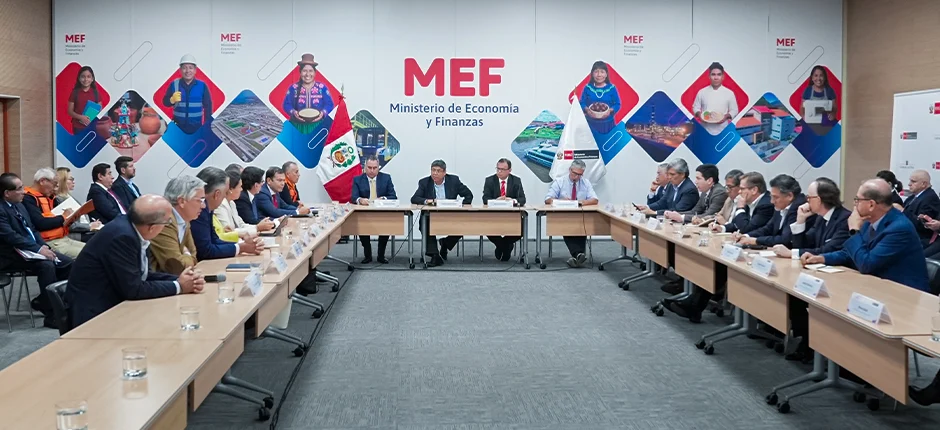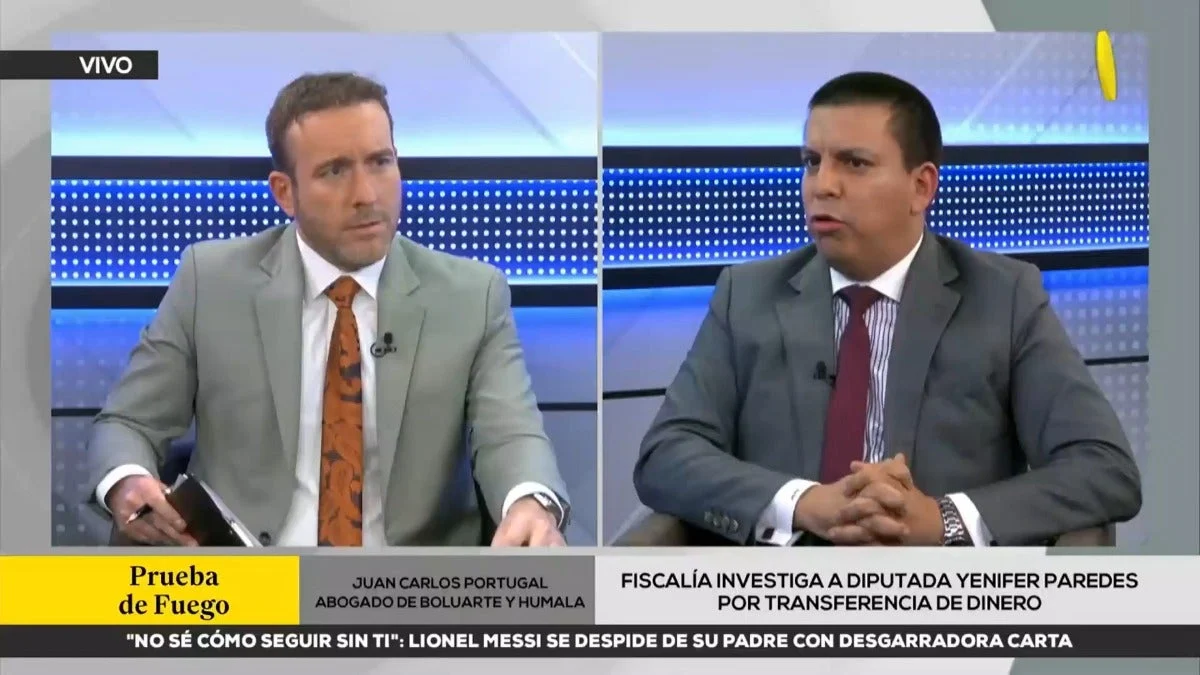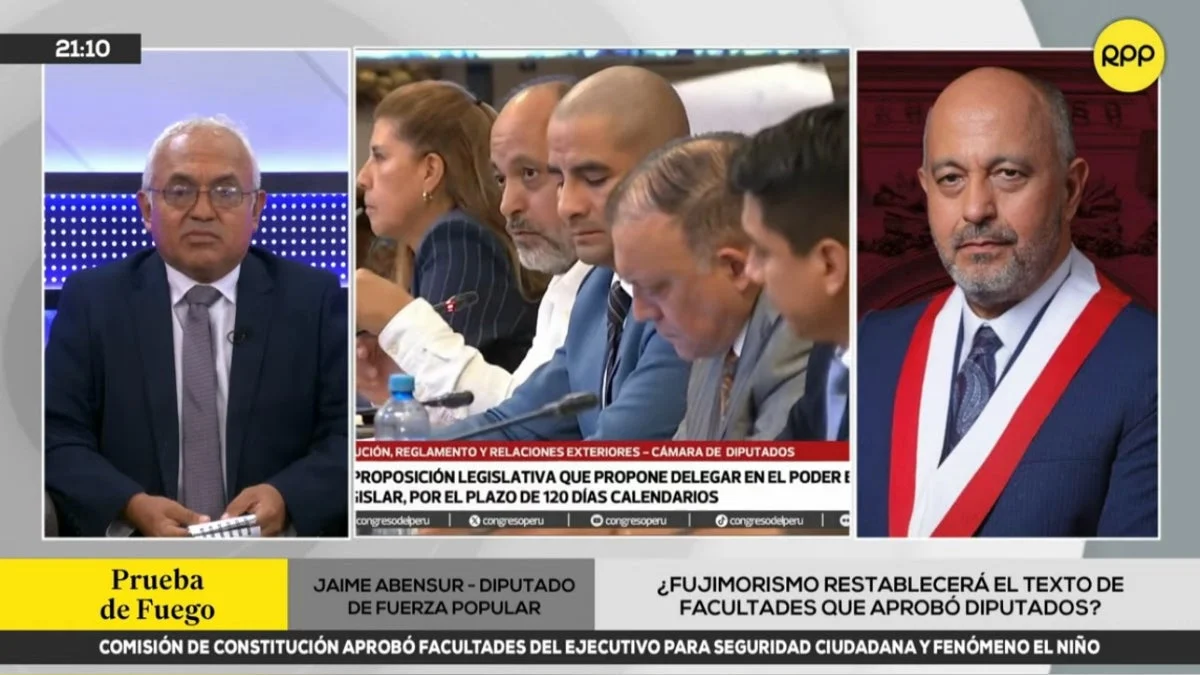
The political landscape in Peru remains volatile as the government’s request for extraordinary legislative powers faces significant roadblocks in the Chamber of Deputies. Following a contentious session in the Constitution Committee, the executive branch finds itself with only a fraction of the authority it sought, sparking a strategic counter-offensive from within the legislative ranks, led prominently by figures from Fuerza Popular.
The core of the dispute centers on the scope of the delegation of powers: while the government requested authority to legislate on eight distinct areas—including state reform, administrative simplification, and security—the Committee has thus far restricted this mandate exclusively to citizen security and the prevention of the El Niño phenomenon.
The Genesis of the Conflict: A Restricted Mandate
The legislative battle began when the Executive Branch formally petitioned the Congress for 120 days of legislative authority. The administration argued that, in the face of rising criminality and the looming threat of climatic disasters, a more agile, executive-driven legislative process was not merely a convenience, but a necessity.
However, the Constitution Committee, operating with a cautious approach toward executive overreach, opted for a more restrictive path. By a vote of 13 in favor, five against, and two abstentions, the Committee approved a substitute text that trimmed the government’s request down to just two primary pillars: public security and disaster mitigation. The term for this delegated power was also reduced to 90 days, a move that the government’s allies have described as insufficient to address the structural problems plaguing the country.
Chronology of the Legislative Standoff
The process leading to the current impasse has been marked by back-and-forth negotiations and procedural maneuvers:
- Initial Proposal: The Executive Branch submits a formal request for 120 days of delegated legislative authority covering eight broad areas, emphasizing the need for sweeping reforms in state efficiency and crime prevention.
- Committee Scrutiny: The Constitution Committee initiates a series of debates. During this period, various political factions—ranging from Renovación Popular to the Partido Cívico Obras—scrutinize the request, expressing concern over the breadth of the powers being sought.
- The Vote: Following intense debate and the potential threat of a censure motion against the Committee’s leadership, the body votes to pass a substitute text that strips away six of the eight requested categories, leaving only safety and El Niño preparedness.
- The Dissent: Jaime Abensur of Fuerza Popular announces his abstention during the vote, signaling that his party is dissatisfied with the "watered-down" version of the bill.
- The Counter-Strategy: Abensur confirms that his team is drafting a "minority report" (dictamen en minoría), a procedural tool that will force the full Chamber of Deputies to reconsider the rejected legislative categories.
The Call for Military Intervention in Domestic Security
Perhaps the most controversial aspect of the ongoing debate is the proposal to integrate the Armed Forces into the domestic struggle against organized crime. Jaime Abensur has been a vocal proponent of this measure, arguing that the traditional limitations on military intervention in urban settings have hindered the state’s ability to neutralize high-level criminal organizations.
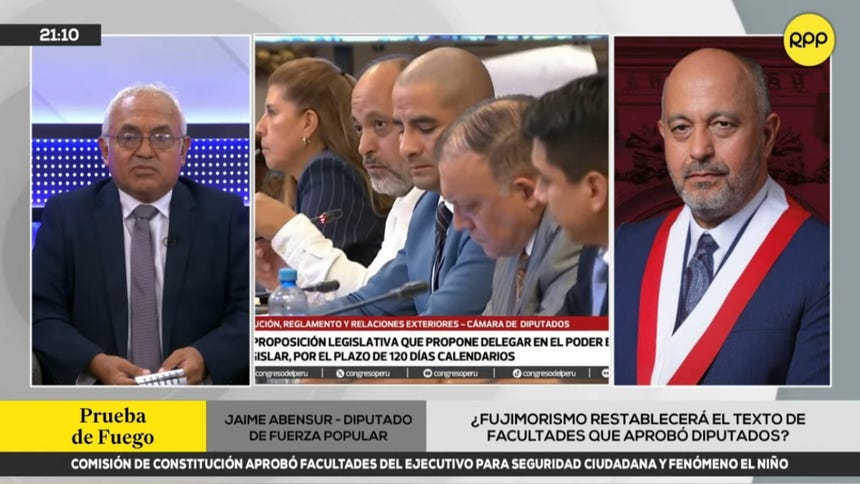
"From a young age, I have heard that the Armed Forces should support the Police," Abensur stated during a recent interview. "They should be in the streets. When we try to give the Armed Forces the necessary legal framework to act—to prevent them from being legally persecuted for 40 years for doing their duty—we are blocked. We are not just talking about street crime; we are talking about criminal bands that act like terrorists."
Abensur’s position reflects a growing sentiment among certain sectors of the legislature that the national police, while dedicated, lack the logistical, intelligence, and tactical firepower to combat modern, highly organized criminal syndicates. Proponents of this view argue that creating a robust legal "shield" for the military would provide the necessary security for personnel to intervene effectively without fear of subsequent judicial reprisals for operational decisions made in the line of duty.
Official Responses and Political Maneuvering
The reaction from the government has been a mix of strategic patience and public frustration. While government ministers have publicly expressed confidence that the vast majority of their requested powers will eventually be granted, they are operating under the pressure of a ticking clock.
The legislative strategy currently employed by the opposition and the government’s supporters involves intensive cross-party negotiation. Abensur noted that Fuerza Popular is engaging in a "democratic dialogue" with parties like Ahora Nación and the Partido del Buen Gobierno to broaden the consensus. The goal is to present a more comprehensive text that would be debated on the floor of the Chamber, effectively bypassing the constraints imposed by the initial committee vote.
However, this approach is not without its risks. By pushing for a minority report, the government’s allies risk further polarizing the Chamber of Deputies. If the minority report fails, it could solidify the current limitations for the remainder of the session, effectively stalling the Executive’s broader reform agenda for months.
Implications for Governance and Citizen Security
The implications of this legislative struggle extend far beyond the halls of Congress. For the average Peruvian citizen, the outcome of these debates represents the potential for a shift in how the state manages public safety.

1. The Institutional Precedent
The decision of the Constitution Committee to reject a significant portion of the Executive’s request is being viewed by some legal analysts as a vital check and balance. By limiting the delegation of power, the Committee is asserting its role as the primary legislative body, preventing the Executive from bypassing traditional, more deliberative lawmaking processes.
2. The Security Paradigm Shift
Should the push for a new legal framework for the Armed Forces succeed, Peru would mark a significant departure from its post-conflict security doctrine. Critics of the proposal warn of the dangers of "militarizing" domestic security, citing historical concerns regarding human rights and the lack of specialized training for soldiers in urban policing. Conversely, supporters insist that the current level of violence in the streets warrants an "exceptional" response that only the military can provide.
3. Economic and Social Preparedness
The focus on the El Niño phenomenon is the one area where there is broad consensus. With meteorological forecasts predicting significant climatic volatility, both the government and the opposition recognize that the state must have the power to move quickly on infrastructure and preventative projects. The restriction of these powers to this specific area suggests that, while the legislature is skeptical of executive authority in general, it is acutely aware of the existential risks posed by climate change.
Conclusion: A Path Forward
The situation in the Chamber of Deputies remains fluid. As Jaime Abensur and his colleagues prepare to introduce their minority report, the focus will shift to whether they can garner the necessary votes to override the limitations set by the Constitution Committee.
The government finds itself in a precarious position: it must deliver results on security and disaster prevention to maintain public approval, yet it remains tethered to a legislative process that is increasingly suspicious of its demands. Whether the final compromise will include the controversial deployment of the Armed Forces remains to be seen, but the debate has undoubtedly set the stage for a defining chapter in the current administration’s relationship with the legislative branch.
As the political maneuvering continues, the eyes of the public are fixed on the potential for a more aggressive state response to criminal violence. Whether through legislative reform or increased military involvement, the demand for order and stability has become the dominant theme of the current legislative term. The coming weeks will determine whether that demand results in a new, unified national strategy or a continued fragmentation of the state’s ability to act in times of crisis.