As the calendar turns to mid-September, Google has once again demonstrated its commitment to cultural visibility by unveiling a vibrant, rhythmic tribute to the Mes de la Herencia Hispana (Hispanic Heritage Month). Through a multi-platform initiative that spans its search engine, streaming services, and literary offerings, the tech giant is highlighting the profound impact of Latin pop music on the global stage.
Central to this year’s commemoration is a bespoke Google Doodle and a meticulously curated playlist of 100 tracks that trace the evolution of Latin music, honoring icons ranging from the pioneers of the 1980s to the contemporary superstars currently dominating global charts.
Main Facts: A Digital Celebration of Latin Pop
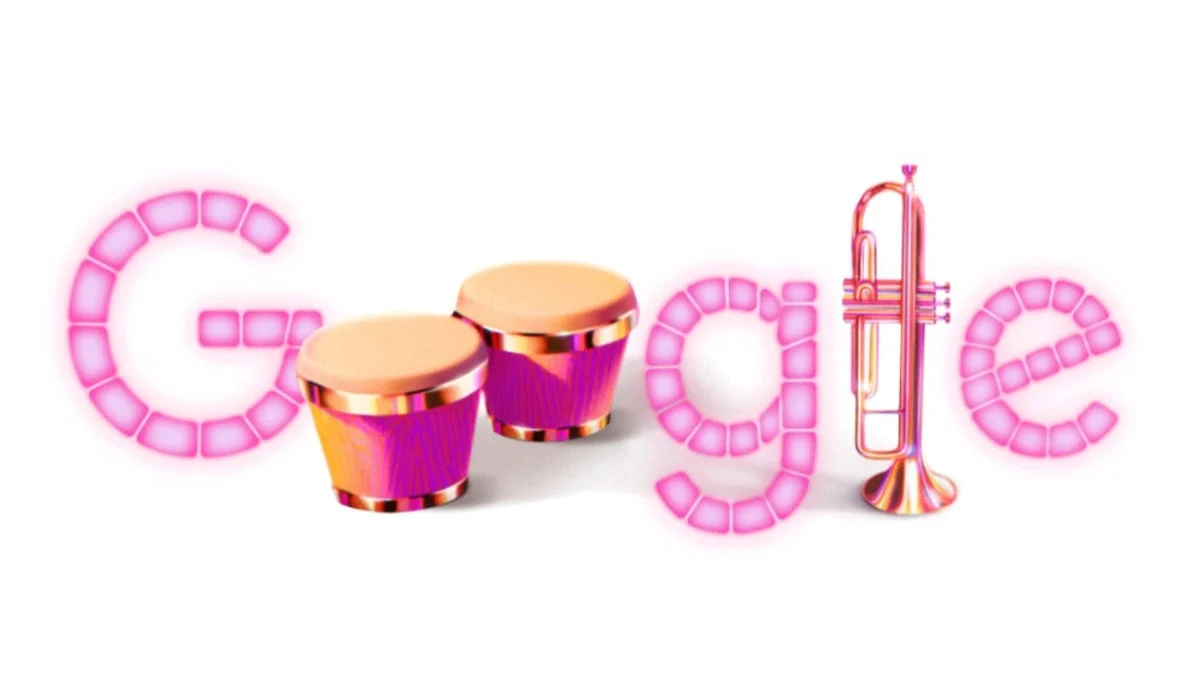
The digital celebration, which launched this Wednesday, features an interactive Google Doodle that serves as a visual homage to the energy of Latin pop. The company’s logo, reimagined in a palette of pulsating pinks and deep purples, features flickering stage lights reminiscent of a live concert venue. Interspersed within the animation are illustrations of essential musical instruments—most notably the bongo, the backbone of Latin percussion, and the trumpet, a brass staple that has defined the soundscapes of genres from salsa to mariachi.
Beyond the aesthetic changes to its search interface, Google has released a "definitive" playlist of 100 tracks, described by the company as a "sampling of the greatest songs in the history of Latin music." This list acts as a historical archive, showcasing how Latin music transitioned from regional success to becoming an unstoppable force in the global mainstream.
The playlist is anchored by the legendary Conga by Miami Sound Machine and Gloria Estefan, a track that in the mid-1980s broke cultural barriers and solidified the presence of Latin-infused dance music in the American pop charts. Following this anthem, the list highlights tracks that defined subsequent generations: Selena’s iconic Amor Prohibido, Shakira’s global chart-topper Hips Don’t Lie (feat. Wyclef Jean), and modern-day sensations like Karol G’s Si antes te hubiera conocido and the collaborative regional Mexican hit El amor de su vida by Grupo Frontera and Grupo Firme.
Chronology: The Evolution of the Latin Sound
To understand the significance of Google’s list, one must view it as a timeline of musical evolution. The curated selection serves as a bridge between eras:
- The 1980s and Early 90s (The Foundation): This era is represented by the crossover success of Gloria Estefan and the rise of Tejano music through the late, great Selena Quintanilla-Pérez. These artists laid the groundwork for future generations, proving that Spanish-language or bilingual music could command international audiences.
- The Late 90s and 2000s (The Latin Explosion): This period saw the mainstream explosion of Latin pop, with artists like Shakira moving from Latin American stardom to global superstardom. The inclusion of these tracks in the playlist emphasizes the shift where Latin artists became the primary architects of global pop trends.
- The 2010s (The Digital Revolution): With the arrival of streaming, the world witnessed the unprecedented success of tracks like Despacito by Luis Fonsi and Daddy Yankee. This era marked a turning point where language was no longer a barrier for global chart dominance.
- The 2020s (The Genre-Bending Era): Today’s landscape, represented by artists such as Bad Bunny, Rosalía, and Karol G, shows a fusion of reggaeton, urban, pop, and regional Mexican music. This current era highlights the versatility of Latin creators who continue to set the pace for the global music industry.
Supporting Data: The Breadth of the Collection
Google’s tribute extends far beyond a single playlist. Recognizing that the Latin experience is multifaceted, the company has integrated Hispanic Heritage Month content across its entire ecosystem:
Google TV and Streaming Collections
Throughout the month, Google TV will roll out new, categorized collections aimed at providing a holistic view of Hispanic culture. These include:
- Ritmos: A deep dive into the 100-track playlist, blending timeless classics with modern YouTube Music hits.
- Historias: A nod to the cultural importance of telenovelas, ranging from nostalgic classics that shaped television in Latin America to the high-production modern series currently trending.
- Conexiones: A live-news hub that provides access to Spanish-language journalism, ensuring that users stay connected to the sociopolitical realities of the Hispanic community.
- Inspiración: A curated selection of films and documentaries highlighting the work of prominent Latin American directors, screenwriters, and actors.
Literary and Social Outreach
Google Play Books has joined the initiative by spotlighting works from acclaimed authors such as Mexican writer Reyna Grande and American author Samantha Saldívar. By promoting these voices, Google is diversifying the digital literary landscape. Furthermore, YouTube’s social channels are hosting a series of creator-led features, allowing artists and influencers within the Hispanic community to discuss their personal perspectives on heritage, identity, and the future of Latin music.
Official Responses and Strategic Vision
In an official statement regarding the campaign, Google emphasized that the goal is not merely to entertain, but to foster "cultural representation and digital accessibility."
A representative for Google stated: "Music is the heartbeat of Hispanic heritage. By creating these collections, we aim to offer a space where both the history and the future of our culture can be celebrated side-by-side. From the percussion-heavy rhythms of the 80s to the electronic innovations of today’s urban artists, we want our users to explore the vast, interconnected tapestry of Latin identity."
The inclusion of a wide array of artists—from the classic ballads of Luis Miguel and Rocío Dúrcal to the experimental flamenco-pop of Rosalía and the trap-infused sounds of Bad Bunny—reflects a strategic choice by Google to acknowledge the diversity of the "Hispanic" label. It is a recognition that the Hispanic community is not a monolith, but a vibrant mosaic of traditions, genres, and regional influences.
Implications: Why This Matters for Global Culture
The implications of such a high-profile, month-long initiative by a global tech giant are significant.
1. The Normalization of Latin Culture
When a platform as ubiquitous as Google shifts its homepage to feature Latin instruments and playlists, it signals to billions of users that Latin culture is not a "niche" interest but a central pillar of global pop culture. This normalization helps reduce cultural biases and increases the perceived value of Spanish-language media.
2. Digital Preservation and Discovery
For younger generations, the Google playlist serves as an educational tool. By placing Conga alongside Despacito, Google is helping to preserve the lineage of Latin music. It encourages discovery, allowing a fan of modern reggaeton to learn about the pioneers who paved the way for their favorite current artists.
3. Economic Impact on Creators
By featuring these artists across YouTube Music, Google Play, and Google TV, the company is directly driving traffic and revenue toward Latin creators. This visibility is essential in an industry where, historically, Latin artists had to work twice as hard to receive half the recognition of their English-speaking counterparts.
4. Community Empowerment
Hispanic Heritage Month is a time for reflection and pride. By curating content that spans from serious news and literature to lighthearted pop music, Google is acknowledging that the Hispanic community values both its intellectual and its artistic contributions. It provides a platform for the community to see itself represented accurately and extensively in the digital sphere.
Conclusion
As the festivities continue throughout the month, the focus remains on the "Ritmos" that unite the community. From the first beat of a bongo in the Google Doodle to the final note of a ballad on the 100-track playlist, Google has effectively turned its digital real estate into a global stage for Hispanic excellence. This initiative stands as a testament to the fact that Latin pop is not just a genre; it is a living, breathing history of resilience, innovation, and joy that continues to define the sound of the modern world.