Introduction: A Strategic Victory for Conservation
In a landmark achievement for environmental governance in South America, the Peruvian government has announced the successful reclamation of 90% of the 1,041 hectares within the Tambopata National Reserve that had been devastated by illegal gold mining. This effort, spearheaded under the National Strategy for the Fight Against Illegal Mining in Protected Natural Areas, marks a pivotal shift in the protection of one of the world’s most biodiverse ecosystems.
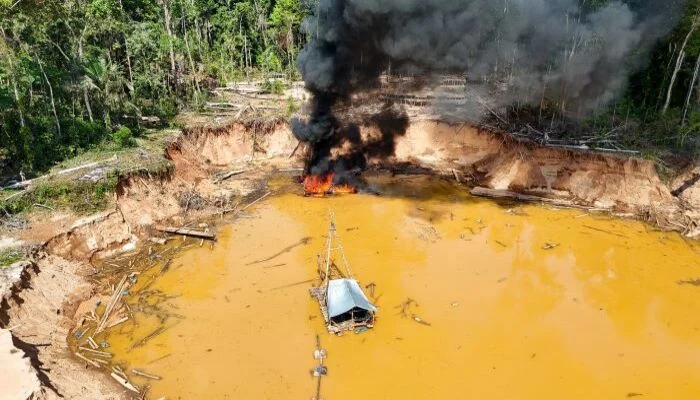
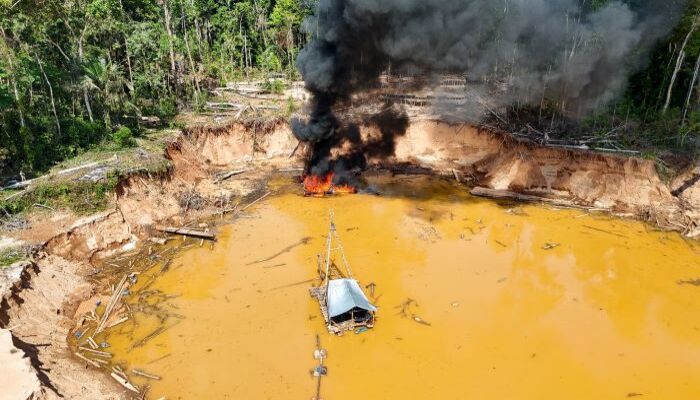
The Tambopata National Reserve, located in the Madre de Dios region, has long been a frontline in the battle against illicit extractive activities that threaten not only the biological integrity of the Amazon but also the rule of law. By clearing these areas of dredges, floating platforms, and clandestine camps, the state has demonstrated a renewed commitment to safeguarding its natural heritage.
The Chronology of Destruction and Restoration
The Rise of the "Gold Rush"
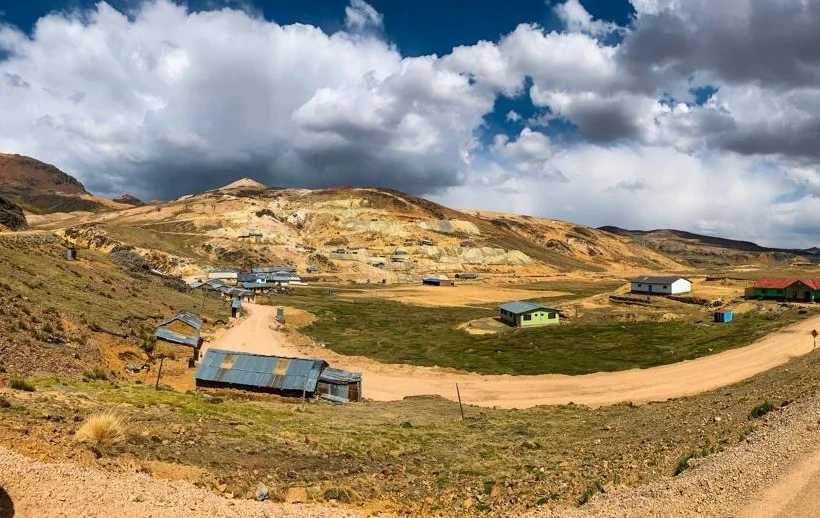
For years, the encroachment of illegal mining into the buffer zones and the heart of the Tambopata National Reserve represented a catastrophic environmental crisis. What began as small-scale, localized prospecting rapidly evolved into industrial-scale illegal operations. Using high-pressure water cannons and mercury-laden extraction processes, illegal miners stripped the topsoil, destroyed riverbeds, and contaminated local water sources, turning pristine rainforest into barren, lunar-like landscapes.
The Turning Point
The government’s intensified interdiction efforts—a coordinated series of raids and logistical blockades—have gradually pushed these illegal actors out of the protected zones. Over the past several years, the "Estrategia Nacional" shifted from reactive police actions to a sustained, multi-institutional occupation of the territory. The current milestone of 90% recovery is the culmination of years of persistent surveillance, legal enforcement, and aerial monitoring.
Supporting Data: By the Numbers
The Scale of the Impact
- Total Affected Area: 1,041 hectares (originally).
- Current Recovery Rate: 90% (approx. 937 hectares reclaimed).
- Active Restoration: 300 hectares currently undergoing active reforestation with native species.
- Control Infrastructure: 9 permanent monitoring posts, including 4 strategically placed in previously high-impact mining corridors, complemented by a mobile base.
Technological Advancements in Monitoring
The reclamation is not merely a physical presence; it is an intelligence-led operation. The state now employs a tiered surveillance strategy:
- Drones: Used for localized, rapid-response monitoring of illegal forest clearings.
- Satellite Imagery: Providing high-resolution historical and real-time tracking of landscape changes.
- NASA Collaboration: A specialized partnership that utilizes advanced remote sensing to detect subtle shifts in forest density and health, allowing the government to predict and intercept new illegal incursions before they take root.
Official Responses and Ministerial Oversight
During a recent inspection of the reclaimed sectors, Minister of the Environment, Vladimiro Huaroc, emphasized the multi-disciplinary nature of this success. Joined by representatives from the National Police, the Armed Forces, the Specialized Environmental Prosecutor’s Office, and the National Service of Natural Protected Areas (Sernanp), Huaroc signaled that this is not just a tactical victory, but a structural one.
"This result reflects the government’s response capacity and the articulated work of the State to recover our natural spaces," Huaroc stated. He emphasized that the goal is no longer just the expulsion of illegal actors, but the long-term consolidation of state authority. "The goal is to prevent illegal activities from returning. The continuous presence of the State allows us to restrict supply routes and secure the borders of our protected zones," he added.
Ecological Implications and Restoration Challenges
From Deforestation to Reforestation
The withdrawal of illegal miners is only the first step. The damage left behind by mercury-laden mining is severe, requiring sophisticated ecological restoration. The 300 hectares currently under active restoration represent a pilot program for healing the soil and biodiversity.
Working in conjunction with the Amazonian Research Institute of Peru (IIAP), the Frankfurt Zoological Society (SZF), and the NGO Aider, the Ministry of the Environment is implementing a "native-first" reforestation strategy. This involves:
- Soil Remediation: Assessing the residual mercury content in the soil to select species that can survive in compromised environments.
- Biodiversity Corridors: Planting native trees that provide food and shelter for endangered fauna, effectively re-linking habitats that were fragmented by mining camps.
- Community Integration: Involving local communities in the nursery and planting phases to ensure the long-term stewardship of these lands.
The Threat of Displacement
Environmental experts warn that while the Tambopata Reserve is recovering, the threat of "leakage"—where illegal mining operations simply shift to adjacent unprotected forests—remains high. The success in Tambopata must, therefore, be matched by equivalent enforcement in the surrounding buffer zones, where illegal networks often retreat when pushed out of the core protected area.
Strengthening the Legal and Security Framework
The sustainability of the Tambopata project depends on the "Estrategia Nacional." This framework has been instrumental in bridging the gap between local law enforcement and national environmental policy.
The Role of the Prosecutor’s Office
The Specialized Environmental Prosecutor’s Office (FEMA) has been crucial in ensuring that interdiction efforts result in legal consequences. By moving beyond the destruction of equipment and focusing on the dismantling of the supply chains—targeting the fuel providers, the illicit gold traders, and the financiers—the government is attempting to strike at the economic viability of the illegal mining industry.
Technological Vigilance
The investment in NASA-backed satellite monitoring provides the "eyes in the sky" needed to monitor such a vast, remote territory. This data is not just for reports; it is relayed directly to the nine surveillance posts, allowing park rangers to deploy to sites of suspicious activity within hours, rather than weeks.
Future Outlook: A Model for the Amazon?
The situation in Tambopata serves as a litmus test for the Peruvian government’s ability to manage its natural wealth. If the current model—characterized by state presence, technological monitoring, and community-led restoration—proves durable, it could become the blueprint for other regions in the Madre de Dios area and across the wider Amazon basin.
However, the challenge remains significant. As global gold prices remain high, the incentive for illegal extraction persists. The government has acknowledged that the path forward requires:
- Continuous Funding: Maintaining the nine monitoring posts requires a consistent budgetary commitment that often struggles against competing national priorities.
- Economic Alternatives: Providing sustainable livelihoods for the local population who may have been coerced into illegal mining is the only way to prevent the "revolving door" of illegal activity.
- Cross-Border Cooperation: Illegal mining is a transnational issue. Strengthening cooperation with neighboring nations to monitor the illicit trade of gold and the movement of illegal machinery across borders is essential.
Conclusion
The reclamation of 90% of the affected hectares in the Tambopata National Reserve is a testament to what is possible when political will, scientific monitoring, and law enforcement align. While the scars of the "gold rush" remain visible, the return of native species and the removal of illegal machinery signal a new chapter for the reserve. As the government continues its restoration work, the focus must remain on the long-term prevention of re-entry, ensuring that this vital lung of the planet remains protected for future generations. The victory in Tambopata is not the end of the war against environmental crime, but it is a decisive, hard-won battle that offers hope for the future of the Amazon.