Southern Peru Fuels Robust Electrical Generation Growth in First Half of 2026
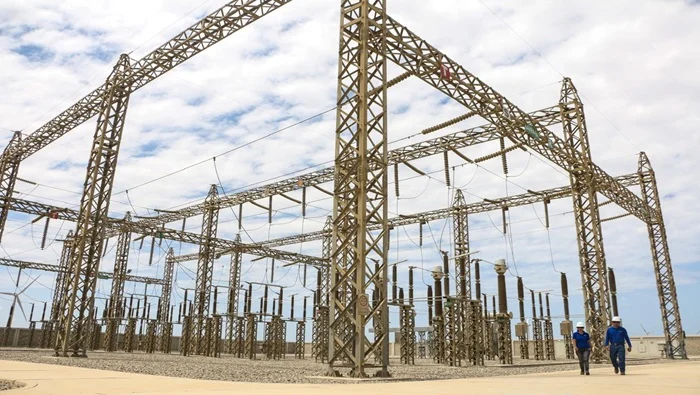
Lima, Peru – [Insert Date] – Peru’s electricity generation sector experienced a significant surge in the first half of 2026, driven overwhelmingly by a remarkable expansion in the southern regions of the country. According to a comprehensive report released by the General Directorate of Electricity (DGE) of the Ministry of Energy and Mines (MINEM), total electricity generation reached 33,874 gigawatt-hours (GWh) between January and June 2026, marking a 4.4% increase compared to the 32,431 GWh recorded during the same period in 2025. The southern zone emerged as the primary engine of this nationwide growth, showcasing an impressive 25% leap in its output.
The DGE’s report, titled "Main Indicators of the Electrical Sector at the National Level," highlights a dynamic landscape of energy production across Peru’s diverse geographical areas. While established powerhouses continue to contribute significantly, the accelerated development in the south signals a potential shift in the nation’s energy generation map and underscores the growing importance of this region in meeting Peru’s energy demands.
Southern Powerhouse: A Region’s Rapid Ascent
The southern zone of Peru stands out as the undisputed leader in electricity generation growth during the first semester of 2026. It generated a substantial 6,598 GWh, a significant increase of 25% from the 5,274 GWh produced in the corresponding period of 2025. This robust expansion is not merely a marginal improvement but a testament to significant new capacities coming online or existing facilities operating at heightened efficiency.
Within this burgeoning southern region, several key provinces have demonstrated extraordinary growth. Arequipa, a major industrial and agricultural hub, recorded the most substantial increase among the principal generating regions, boasting an 81% surge in its output. Arequipa’s electricity generation rose from 860 GWh in the first half of 2025 to an impressive 1,561 GWh by June 2026. This dramatic rise suggests substantial investments in power infrastructure or a significant ramp-up in the operational capacity of existing plants, potentially linked to increased industrial demand or the commissioning of new renewable energy projects.
Puno, a region known for its rich natural resources and growing economic activity, also witnessed a remarkable expansion in its electrical output. Puno’s generation climbed by 74%, from 810 GWh in the first six months of 2025 to 1,406 GWh in the same period of 2026. This substantial increase could be attributed to new mining operations, agricultural processing, or renewable energy initiatives taking root in the altiplano.
Moquegua, another key southern province, contributed to this regional success story with a 42% increase in its electricity generation. Its output grew from 473 GWh in early 2025 to 672 GWh by mid-2026. This growth in Moquegua further solidifies the southern corridor’s emergence as a critical area for Peru’s energy supply.
Lima’s Enduring Dominance and Regional Contributions
Despite the spectacular growth in the south, Lima, the nation’s capital and economic heartland, maintained its position as the leading electricity-generating region in Peru. By June 2026, Lima had accumulated 12,731 GWh, representing a steady 5% growth compared to the 12,105 GWh recorded in the first half of 2025. This sustained growth in Lima indicates continued demand from its vast urban population and diverse industrial and commercial sectors, as well as ongoing upgrades and expansions within its existing generation infrastructure.
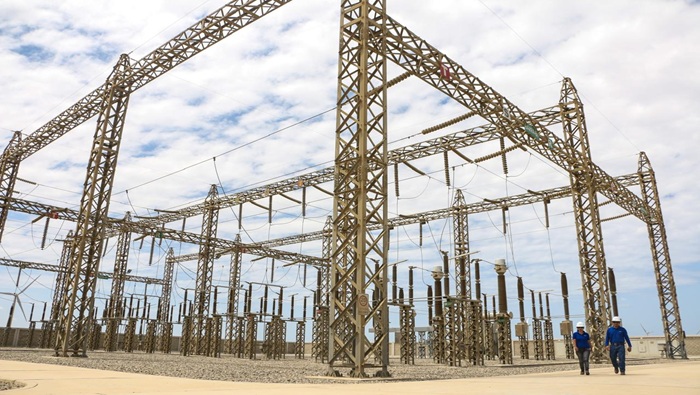
Beyond the top two regions, other areas across Peru also demonstrated positive contributions to the national electricity generation figures. Junín, a central region known for its diverse economic activities, generated 2,193 GWh, an increase of 3% from the previous year. Pasco, another central province, saw a more significant jump of 11%, reaching 481 GWh. In the northern coastal region, La Libertad, which also falls under the broader northern zone’s statistics but is highlighted separately, experienced an 18% increase in generation, contributing 347 GWh.
Eastern and Northern Zones Show Modest Gains
The eastern zone of Peru, characterized by its vast Amazonian rainforest and developing economic sectors, registered a more modest but still positive growth of 4% in electricity generation. Its output rose from 239 GWh in the first half of 2025 to 249 GWh in the same period of 2026. This expansion was largely driven by Ucayali, which saw a substantial 59% increase in its production, from 52 GWh to 83 GWh. Loreto, another significant Amazonian province, experienced a more subdued 4% growth, reaching 249 GWh. The growth in the eastern regions, while smaller in absolute terms, is crucial for supporting the development and improved quality of life in these often remote and underserved areas.
The northern zone of Peru recorded a 2% increase in its accumulated electricity production, moving from 1,979 GWh to 2,013 GWh between the two periods. Within this zone, La Libertad’s strong 18% growth was a key contributor, alongside a 4% increase in Piura. Other regions within the northern zone exhibited varied performance, indicating a mixed economic and operational landscape.
Central Zone: Stability Amidst Growth
The central zone of Peru, which encompasses the capital region and surrounding provinces, remains the largest electricity-generating area in the country, accounting for a significant portion of the national total. This zone reached 25,014 GWh in the first half of 2026. However, its growth rate was more moderate, registering a 0.3% increase compared to the first semester of 2025. This indicates a mature generation infrastructure that is likely undergoing continuous optimization and incremental upgrades rather than large-scale expansion. As previously noted, Lima’s substantial contribution is a cornerstone of this zone’s dominance, complemented by Junín’s steady 3% growth.
Implications of the Growth Trajectory
The overall national increase of 4.4% in electricity generation is a positive indicator for Peru’s economic health and development. This growth signifies increased demand from various sectors, including industry, commerce, and households, reflecting a dynamic and expanding economy. The DGE’s report suggests that the nation is successfully meeting this rising demand, ensuring a stable and reliable power supply.
The significant surge in the southern regions is particularly noteworthy. It points towards a potential decentralization of energy production and consumption, with major industrial and resource-based activities driving demand in these areas. This could also imply substantial investments in new power generation facilities, including renewable energy sources such as solar and wind, which are increasingly competitive and environmentally friendly. The sustained growth in Lima, meanwhile, underscores the ongoing need to maintain and upgrade infrastructure in the country’s most populous and economically active region.
The Ministry of Energy and Mines (MINEM) has reiterated its commitment to fostering further development and strengthening of Peru’s electricity infrastructure across all regions. The ministry’s forward-looking vision aims to promote a secure, reliable, and sustainable energy system that not only supports the growth of productive activities but also contributes to an improved quality of life for all Peruvians. This commitment is crucial for attracting further investment, promoting technological innovation, and ensuring that Peru can meet its long-term energy needs in a responsible and sustainable manner. The continued monitoring and analysis of these key indicators by the DGE will be vital in guiding future energy policy and investment decisions.