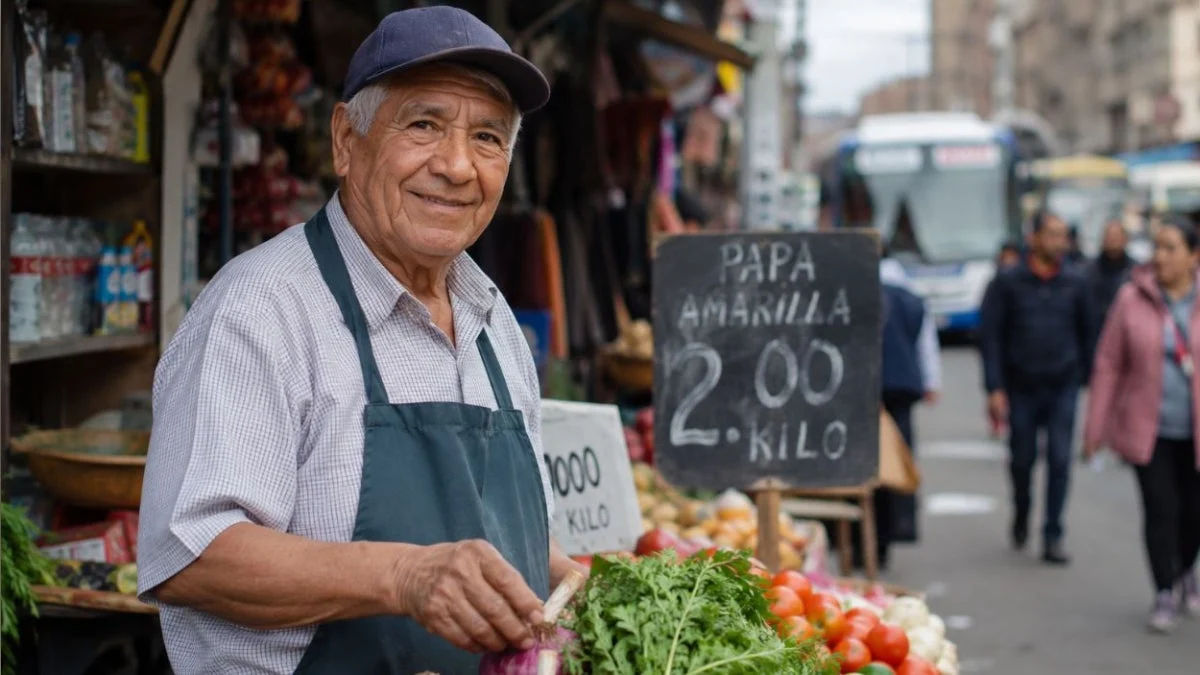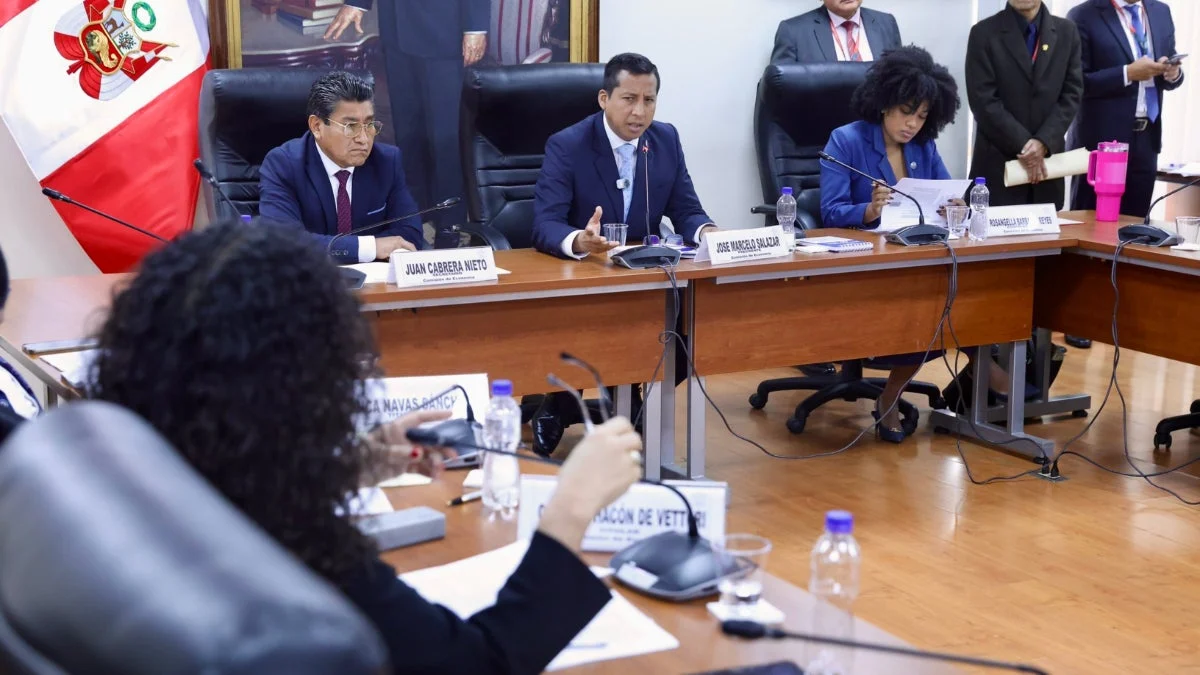
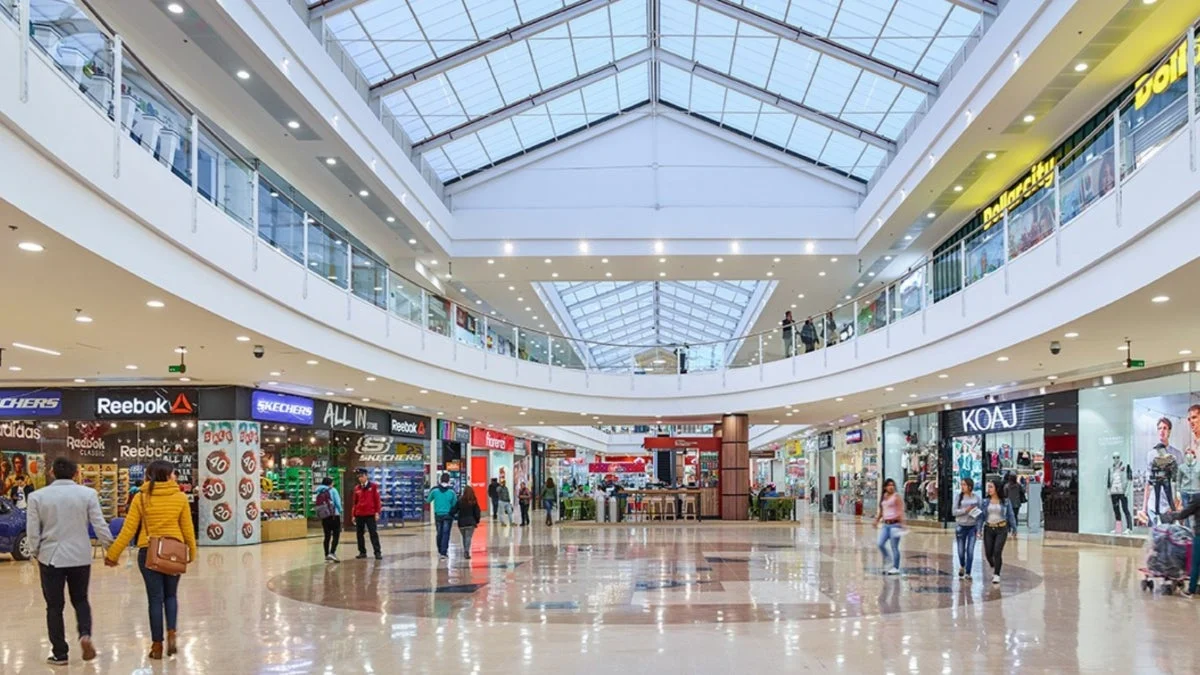
The Peruvian retail sector, a vital pillar of the national economy encompassing supermarkets, department stores, pharmacies, and expansive shopping centers, is standing at a critical crossroads. After experiencing a robust, growth-fueled 2026, industry leaders are now issuing a sobering forecast for 2027. According to projections shared exclusively with RPP by the Lima Chamber of Commerce (CCL), the industry is preparing for a significant contraction in sales as the confluence of climate-related disruptions and the exhaustion of extraordinary consumer liquidity hits the market.
The Economic Shift: From Expansion to Caution
The retail landscape in 2026 was defined by momentum. The sector is expected to close the year with total sales reaching S/59.512 billion, marking a healthy 13.4% growth compared to 2025. This surge was not coincidental; it was fueled by a combination of stable domestic demand, favorable exchange rates, and, most notably, a massive influx of liquidity derived from the latest rounds of pension fund (AFP) withdrawals.
However, the outlook for 2027 suggests a stark reversal. The Lima Chamber of Commerce estimates that total billings will retreat to approximately S/52 billion. This projected drop of over S/7 billion reflects a transition from an "expansionary phase" to a "cautious consolidation" phase. Leslie Passalacqua, president of the Retail and Distribution Guild at the CCL, describes the incoming period as one that will test the resilience of retailers across the country.
"If we are looking at six months of intense impact, we must be realistic," Passalacqua warned. "A growth scenario of 5% or 6% would be highly optimistic. It takes time for the Peruvian consumer to regain purchasing power. Lima, the southern regions, and the northern provinces will all feel the pressure. This is a scenario where recovery will be slow."
Chronology of a Cycle: The AFP Factor and Consumption Peaks
To understand the downturn projected for 2027, one must analyze the unique catalysts of 2026. José Cabanillas, Vice President of the Retail and Distribution Guild at the CCL, highlights that the current year’s performance was heavily bolstered by the eighth round of AFP fund withdrawals.
The 2026 Surge
During the first half of 2026, the retail sector recorded a staggering 15.5% increase in sales, totaling over S/27 billion. Data indicates that approximately S/24 billion was released into the economy from these pension funds by May 2026. This "circulating cash" acted as a massive stimulus, driving consumers to invest in household goods, electronics, and apparel.
- Household Equipment: Experienced a growth of 17.7%.
- Department Stores: Saw an increase of 11.5%.
- Supermarkets: Reported growth of 11.4%.
- Pharmacies and Cosmetics: Grew by 10.3%.
- Specialized Retail (Books): Led the charge with a 20.6% increase, albeit on a smaller base.
Cabanillas is categorical in his assessment: "I am certain that this circulating money is what kept our 2026 sales so high. Without the prospect of new withdrawals, we must expect a much more conservative environment in 2027, especially with the El Niño phenomenon already looming over us."
The Climate Threat: Preparing for "El Niño"
While the end of extraordinary liquidity is a major factor, the most unpredictable variable remains the El Niño phenomenon. Meteorologists and economic analysts have raised the probability of a high-magnitude event, which typically brings heavy rains, flooding, and severe logistical disruptions, particularly in the northern regions of Peru.
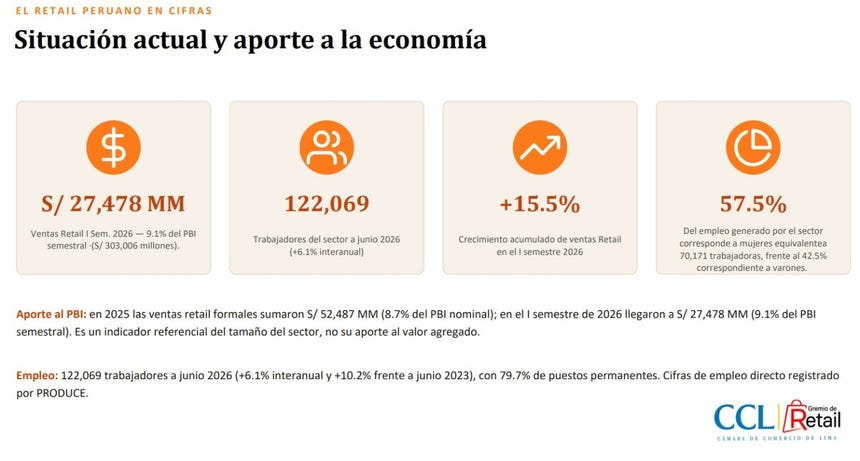
The retail industry is particularly vulnerable to these climatic shifts, as they disrupt supply chains, damage store infrastructure, and prevent consumers from physically reaching shopping centers.
The First Quarter Challenge
The consensus among industry experts is that the first quarter of 2027 will be the most difficult. Traditionally, this period coincides with the "Back-to-School" (Campaña Escolar) season, which is one of the most significant revenue generators for the retail sector.
"You have to mentally prepare for the fact that in the first quarter, you will not have that extra cash that was fueling daily and monthly purchases," Passalacqua advised retailers. "You must accept that you will not be able to replicate the sales volume of January and February of the previous year."
Strategic Implications: How Retailers are Adapting
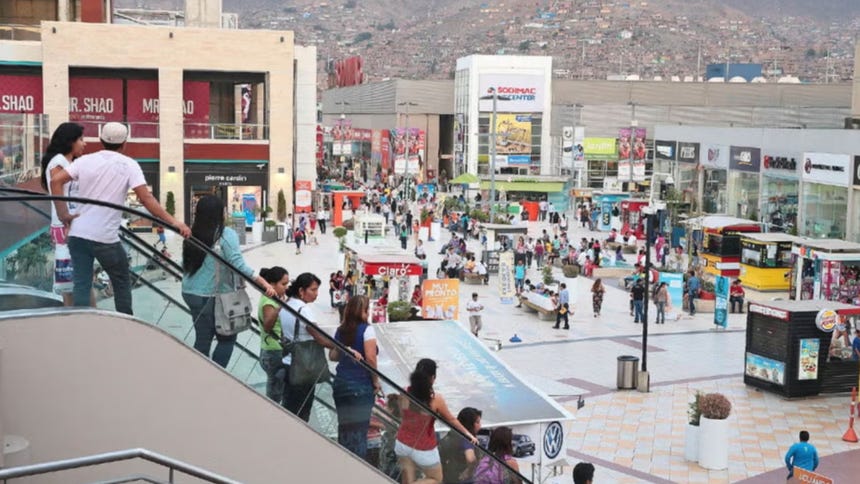
The expected volatility has forced a shift in how major retailers manage their inventory and logistics. The "just-in-time" model, which has become a staple of modern retail, is being reconsidered in favor of more defensive, buffer-heavy strategies.
Logistics and Supply Chain Overhaul
To mitigate the impact of road closures or port delays caused by El Niño, the CCL recommends that retailers alter their procurement cycles. The advice is to "buy early." For those businesses reliant on the school campaign, the recommendation is to move purchasing timelines to the end of the current calendar year (post-Christmas) to ensure that inventory is stocked well before the anticipated peak of the climatic event.
Operations and HR Planning
Beyond inventory, the guild emphasizes that human resource planning and facility protection are paramount. Retailers are being urged to:
- Strengthen Infrastructure: Ensure that properties are prepared for heavy rainfall to avoid physical damage to inventory.
- Redesign Workforce Shifts: Plan for potential absenteeism due to flooding or public transport failures.
- Diversify Distribution: Reduce reliance on single-route transport networks to avoid being stranded by highway blockades.
Resilience Amidst Headwinds: Continued Investment
Despite the gloomy forecast for 2027, the long-term outlook for the Peruvian retail sector remains surprisingly bullish. Major developers are proceeding with large-scale projects, signaling confidence in the structural demand of the Peruvian market.
The CCL has identified approximately US$522 million in planned investments across six major retail projects:
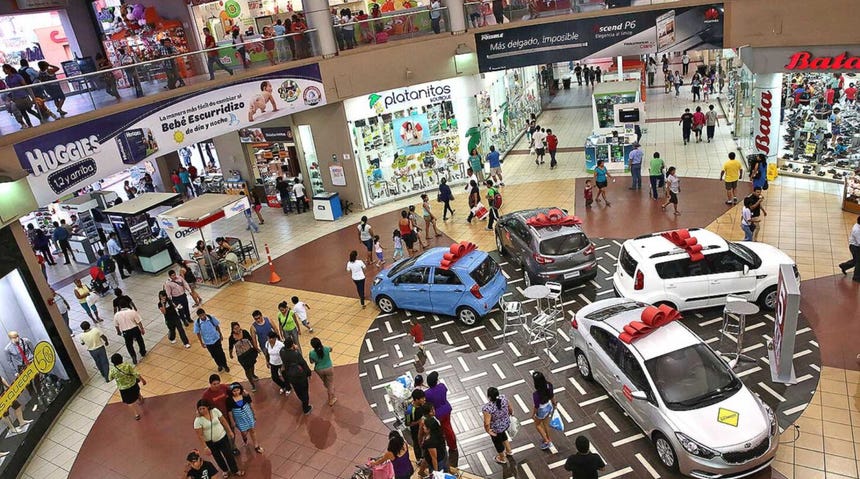
- Cencosud San Juan de Lurigancho: A US$230 million project that will include a massive 66,000-square-meter commercial space and an integrated medical center.
- Plaza Center Trujillo: A US$146 million project targeting the northern market.
- Marina City Center: A US$100 million development.
- The Square (Surco): A US$26 million project.
- Jockey Premium Outlet: A US$20 million investment.
When questioned about whether these projects should be paused given the El Niño risk, Passalacqua was clear: "Those already in the construction phase are moving forward exactly as planned. They should not be affected, as they are already deep in the building process. The commitment to the Peruvian market remains."
Conclusion: A Year of Adjustment
The year 2027 will be defined by a necessary correction. After the artificial high of 2026—propped up by pension withdrawals and a post-pandemic consumption rebound—the retail sector must learn to operate within a tighter fiscal environment.
The success of the industry in 2027 will not be measured by record-breaking growth, but by the ability of retailers to manage risk, optimize their logistics in the face of climate instability, and maintain the trust of a consumer base that will have significantly less disposable income. As the sector navigates these choppy waters, the focus on operational efficiency and proactive planning will determine which retailers emerge from the storm intact and which will struggle to survive the cycle.
For the Peruvian consumer, the message is equally clear: the era of "easy spending" is cooling off, and the economic landscape of the next 18 months will require a more disciplined approach to personal and business finance.