By Editorial Staff
The Peruvian mining sector, the cornerstone of the national economy, is facing a pivotal moment of transformation. During the official launch of PERUMIN 38, held in preparation for the upcoming convention in Arequipa, high-level officials from the Ministry of Energy and Mines (MINEM) outlined an ambitious roadmap designed to propel the national economy toward an annual growth rate of 6%. Central to this strategy is a systematic effort to remove bureaucratic bottlenecks, streamline permitting processes, and reinvigorate the country’s exploration pipeline.
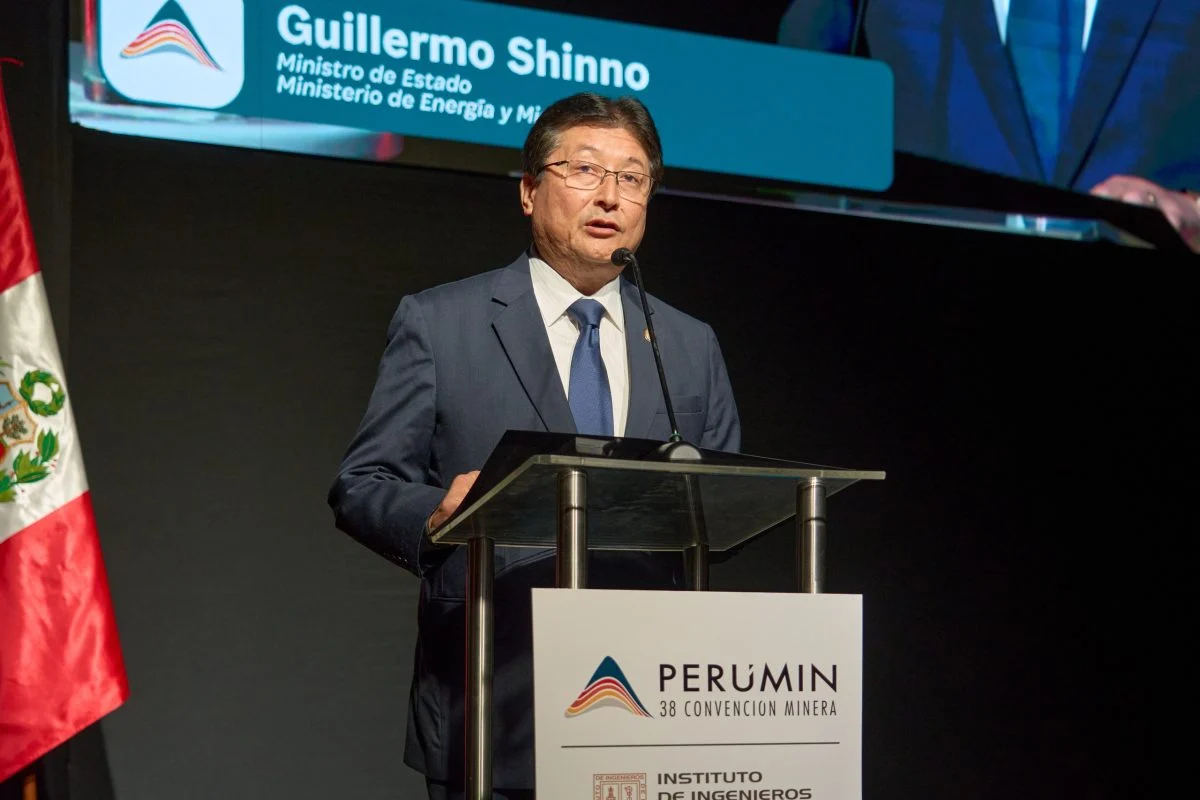
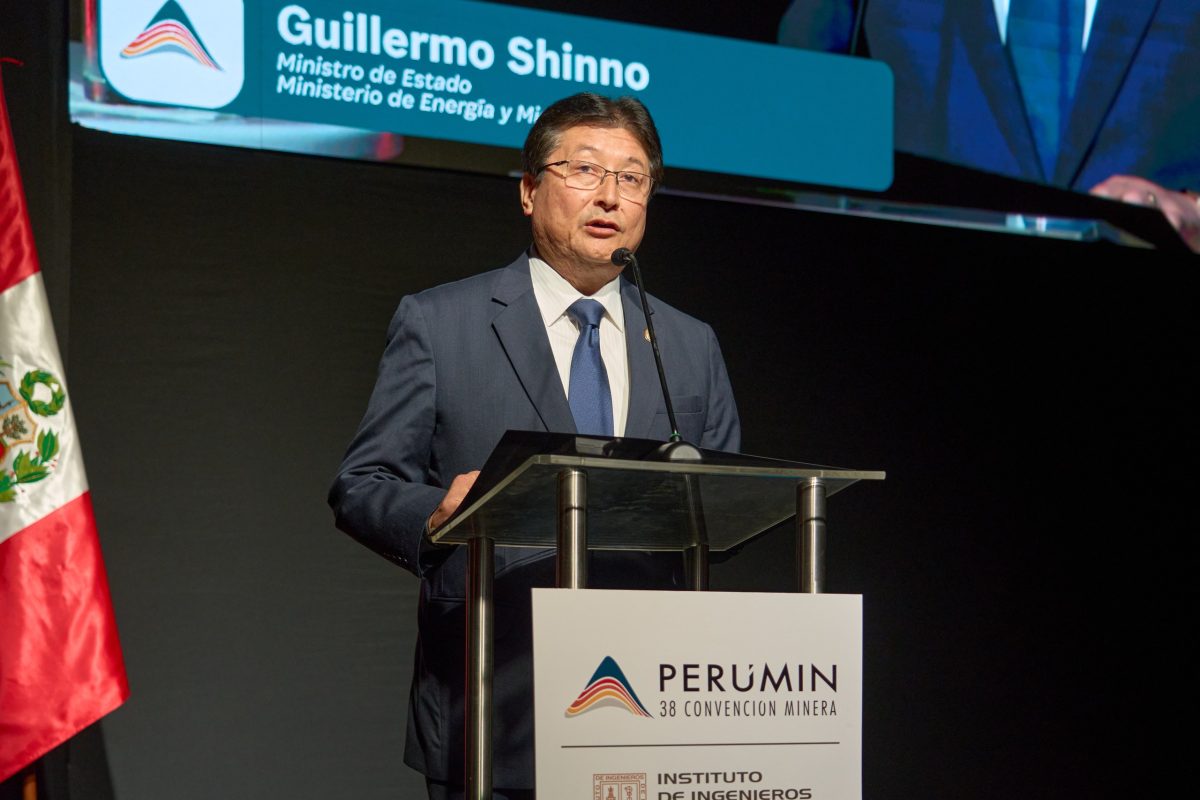
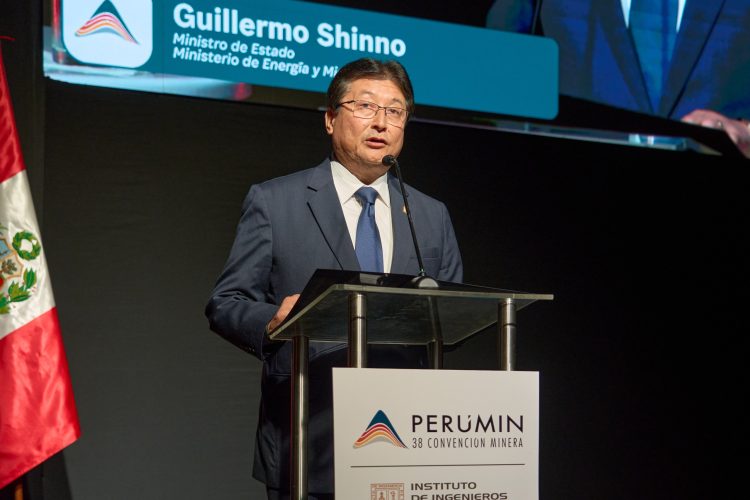
Guillermo Shinno, a key representative of the Ministry, underscored that the government’s primary directive is to facilitate the entry of investment projects into the execution phase as rapidly as possible. "We are committed to ensuring that every mining project enters production at the earliest possible juncture," Shinno stated, emphasizing that macroeconomic growth is inextricably linked to the velocity at which these capital-intensive projects are realized.
The Macroeconomic Imperative: Linking Mining to Growth
The assertion that Peru must achieve a 6% growth rate is not merely a fiscal target; it is a strategic necessity for sustainable development. For years, mining has been the primary engine of the Peruvian economy, contributing significantly to tax revenues, employment, and the country’s balance of payments.
According to government officials, the current administration views the mining sector as the primary catalyst for this acceleration. By prioritizing the "maturation" of major projects, MINEM aims to stimulate auxiliary sectors, including infrastructure, logistics, and technology services, which typically expand alongside mining operations. The logic is clear: the faster a project moves from feasibility to operation, the sooner the local and national economies reap the benefits of increased royalty payments, canon distributions, and high-quality employment.
Chronology of the Road to PERUMIN 38
The path toward PERUMIN 38, scheduled for September 20-24, 2027, at the Cerro Juli Fairgrounds in Arequipa, represents a structured timeline of engagement between the state and the private sector:
- Phase 1 (Preparation and Launch): Mid-2026 marked the preliminary planning stages, with the government and the Institute of Mining Engineers of Peru (IIMP) coordinating the thematic pillars of the convention.
- Phase 2 (Policy Alignment): Throughout late 2026 and early 2027, MINEM began drafting internal policy reforms aimed at reducing the administrative load on mining companies.
- Phase 3 (The Launch Event): The formal announcement in late 2026 served as the public declaration of intent to prioritize key projects, effectively setting the agenda for the 2027 convention.
- Phase 4 (The Convention): PERUMIN 38 will serve as the venue where these policy commitments are expected to be solidified, with industry leaders and government officials meeting under the leadership of Víctor Gobitz to discuss the practical application of these new permitting frameworks.
Strategic Projects in the Pipeline
The government has explicitly identified a portfolio of "anchor projects" that are expected to redefine Peru’s production capacity over the coming decade. These projects represent a mix of expansion efforts and new greenfield developments.
Arequipa as a Mining Hub
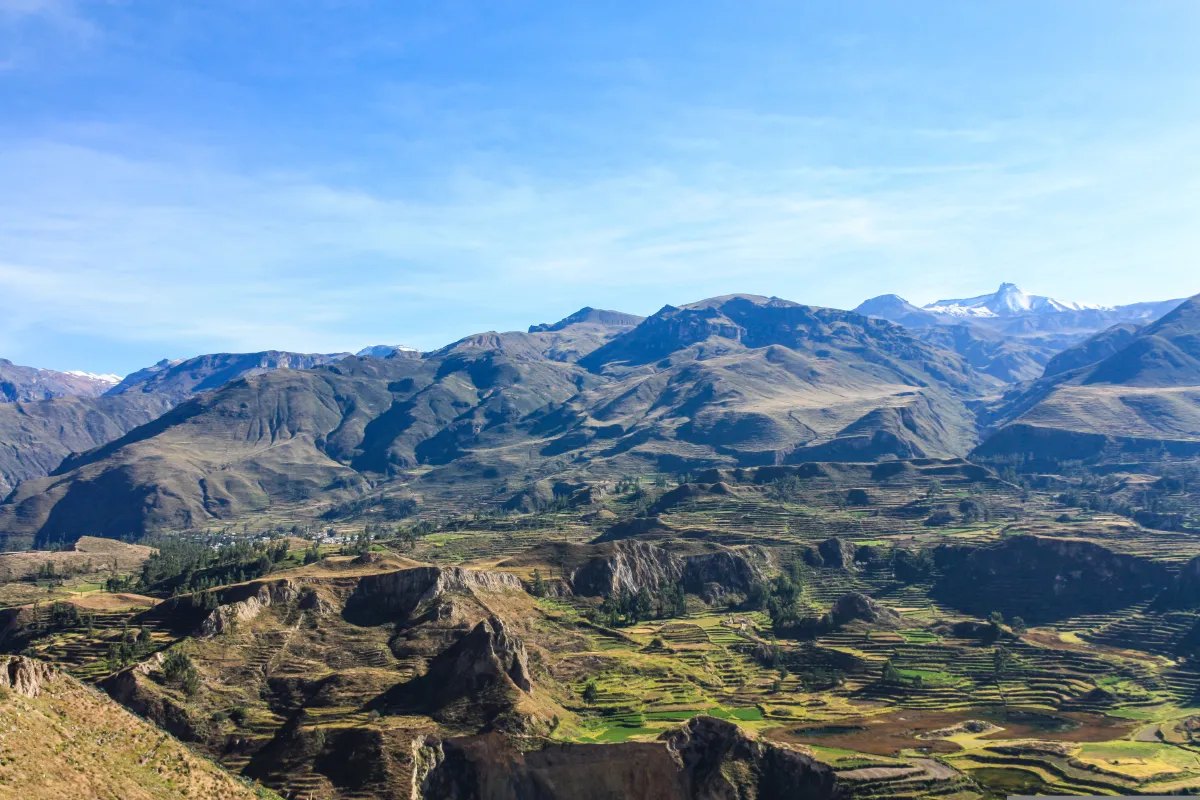
Arequipa remains the focal point for significant investment. The expansion of Cerro Verde, one of the largest copper producers in the world, remains a top priority. Furthermore, the development of the Zafranal and Tía María projects is being monitored closely. These initiatives are viewed as critical for regional economic stability and the generation of long-term sustainable development in southern Peru.
National Projects
Beyond Arequipa, the government is focusing on several large-scale assets that have been in the planning stages for years:
- Galeno and Michiquillay: Major copper projects in northern Peru that hold the potential to significantly increase national output.
- La Granja: A critical project for long-term supply, currently undergoing detailed engineering reviews.
- Corani: The silver project is being highlighted as a crucial diversification effort, ensuring that Peru maintains its leadership in precious metals alongside its copper dominance.
The Critical Role of Exploration
Shinno and other MINEM representatives consistently emphasized that "exploration is the lifeblood of the industry." Without a continuous pipeline of exploration, the industry risks long-term stagnation. To address this, the government is currently finalizing a suite of initiatives designed to simplify the permitting landscape for greenfield exploration.
"We are preparing initiatives that will be announced shortly to continue facilitating permits for the mining sector," Shinno promised. This suggests a move toward a "one-stop-shop" or a more integrated digital permitting system that would reduce the time a company spends waiting for bureaucratic approval to begin drilling.
Legislative Reform: The Hydrocarbon Sector
In a significant policy pivot, the Ministry also announced a comprehensive reform of the legal framework governing the hydrocarbon sector. Recognizing that energy security is essential to support mining operations and broader economic growth, the government aims to reverse the decline in reserves.
"We must reform our legal framework to remain competitive with our neighbors in the region," Shinno explained. "We need to attract investments that will increase our reserves of both oil and natural gas." This move is seen as an attempt to modernize Peru’s energy landscape, ensuring that the country does not rely solely on imports while domestic resources remain underdeveloped. The proposed reforms are expected to offer more favorable fiscal conditions and greater legal certainty for international oil and gas operators.
International Cooperation: The Role of the United States
A highlight of the upcoming PERUMIN 38 is the designation of the United States as the "Partner Country." This strategic alignment is expected to bolster the bilateral relationship, with a focus on investment, technological transfer, and sustainable mining practices.
The U.S. presence at the convention is not limited to mining; it is expected to extend into the energy sector, potentially opening doors for American investment in the newly reformed hydrocarbon space. By aligning with a major global player, Peru seeks to signal to the international community that it is open for business and committed to the highest standards of environmental, social, and governance (ESG) practices.
Official Responses and Industry Outlook
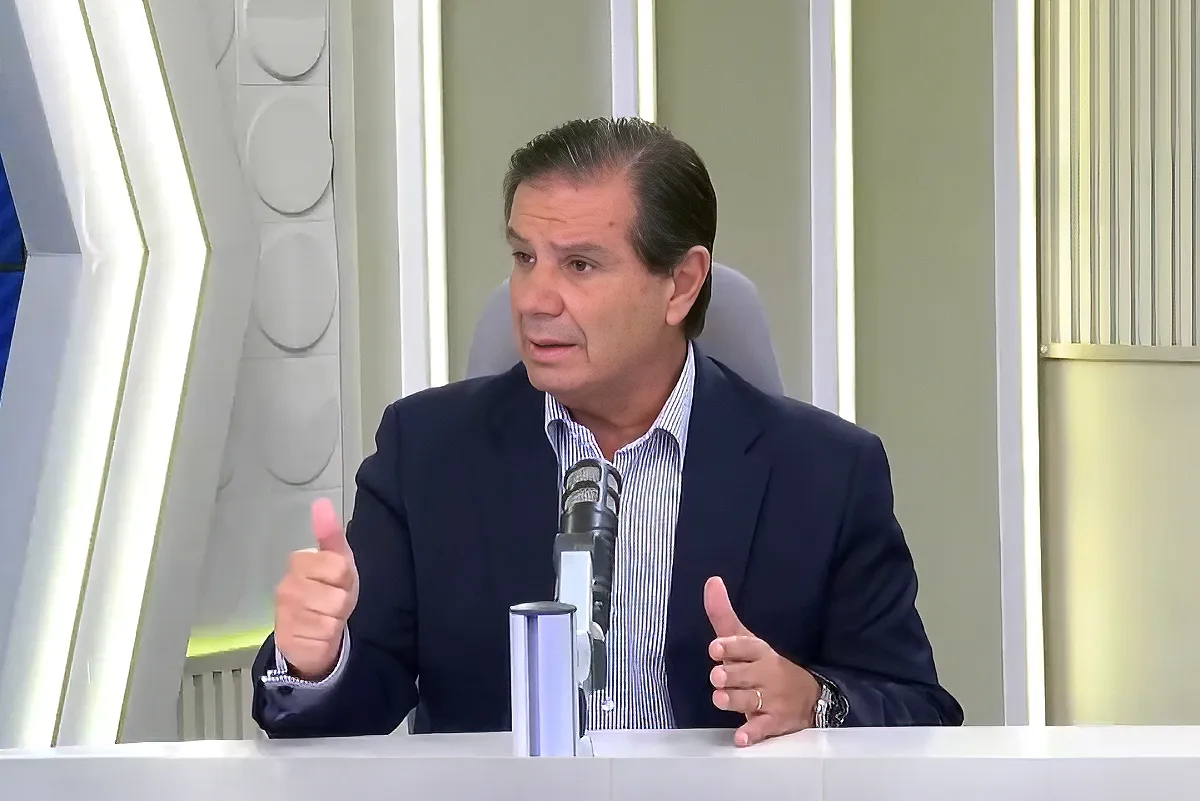
The industry response to the government’s stated goals has been cautiously optimistic. Industry leaders, represented by figures such as Víctor Gobitz, have long advocated for a more streamlined regulatory environment.
"PERUMIN is the ideal space to strengthen the relationship between the state and investors," Gobitz noted during the event. The convention is intended to be more than a conference; it is a platform for negotiation and policy development. By bringing all stakeholders together—from the Ministry and the IIMP to local communities and environmental regulators—the government hopes to build the social license necessary for these projects to proceed.
Implications for the Future
The implications of these developments are twofold:
- Economic Stabilization: If the government succeeds in expediting these projects, the resulting increase in mining output will provide a much-needed buffer against global commodity price volatility. The fiscal revenue generated will allow the state to address pressing social needs and infrastructure deficits.
- Regulatory Maturity: The commitment to reform the hydrocarbon sector and streamline mining permits signals a shift toward a more proactive state. If realized, these reforms could elevate Peru’s rank in international indices regarding the "ease of doing business," potentially triggering a new wave of Foreign Direct Investment (FDI).
However, the path forward is not without challenges. The government must balance its desire for speed with the necessity of maintaining rigorous environmental standards and ensuring the inclusion of local communities. Success will depend on the Ministry’s ability to turn these promises into actionable, simplified regulations that do not sacrifice the sustainability for which modern mining must strive.
As the date for PERUMIN 38 approaches, all eyes will be on the government’s ability to deliver on these legislative promises. The event in Arequipa is set to be the stage where the future of the Peruvian economy is written, with the mining sector once again leading the charge toward a more prosperous, competitive, and modern nation.