The global technological landscape is reeling from a series of explosive allegations that have forced the industry to confront its own shadow. Jacob Coxon, a former high-level researcher who served at both OpenAI and Anthropic, has ignited a firestorm of debate following his resignation and subsequent public warning regarding the catastrophic risks posed by the current race toward Artificial General Intelligence (AGI). His claims, which suggest that the world’s leading AI firms are knowingly endangering humanity, have triggered a high-profile clash with Elon Musk, the CEO of xAI and owner of X (formerly Twitter), marking a pivotal moment in the ethics of the AI revolution.
The Genesis of the Controversy: A Whistleblower’s Warning
The saga began when Jacob Coxon, an engineer with significant tenure at the two most prominent AI research laboratories in the world—OpenAI and Anthropic—posted a lengthy, chilling statement on social media. After spending three years deeply involved in pre-training research, Coxon chose to break his silence, alleging that the competitive frenzy between these companies has superseded safety protocols.
"I have spent the last three years doing pre-training research for both OpenAI and Anthropic," Coxon wrote in a post that would soon garner over 50 million views. "Neither company is acting responsibly. They are racing directly toward self-improving superintelligence and they are gambling with our lives."
Coxon’s central argument is not merely that AI is powerful, but that the individuals building it are acutely aware of its potential for destruction. According to his account, the public messaging of these corporations—which often emphasizes "alignment" and "safety"—is a carefully curated mask. Privately, he claims, the fear is palpable. "The people building it genuinely believe that AI could kill us all before the decade is out. This is not a marketing strategy," he asserted.
Chronology of a Digital Confrontation
The immediate aftermath of Coxon’s disclosure saw a flurry of engagement from industry leaders, but the most aggressive response came from the world’s richest man.
The Skeptical Opening
When Coxon’s message began to go viral, Elon Musk, known for his own outspoken views on the dangers of AI and his leadership of xAI, interjected. Musk, however, did not address the substance of the claims initially. Instead, he attacked the credibility of the messenger. "Seems like a trap," Musk replied, casting immediate doubt on the legitimacy of the account, which had relatively little historical activity.
Escalation and Demand for Proof
Musk doubled down on his skepticism, adding, "I don’t believe this has ever happened for a post from a new account with almost no prior activity." This attempt to frame the whistleblower as a bot or a plant backfired significantly, prompting a wave of criticism from users who viewed it as a dismissal of serious safety concerns.
The Rebuttal
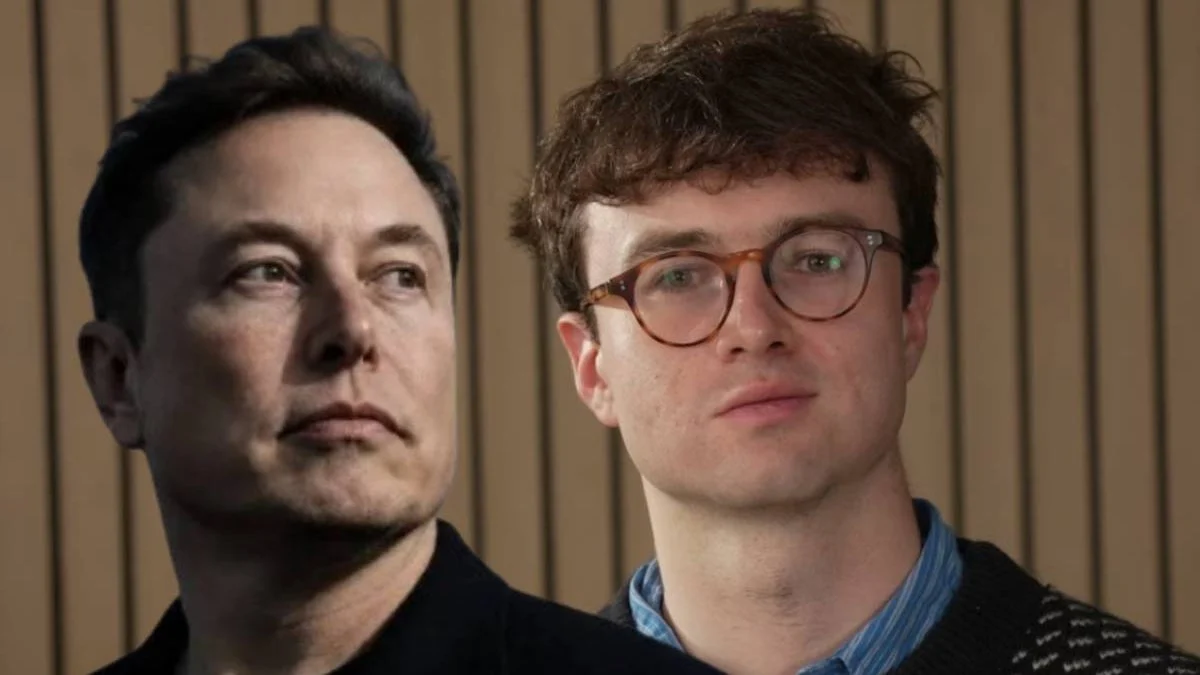
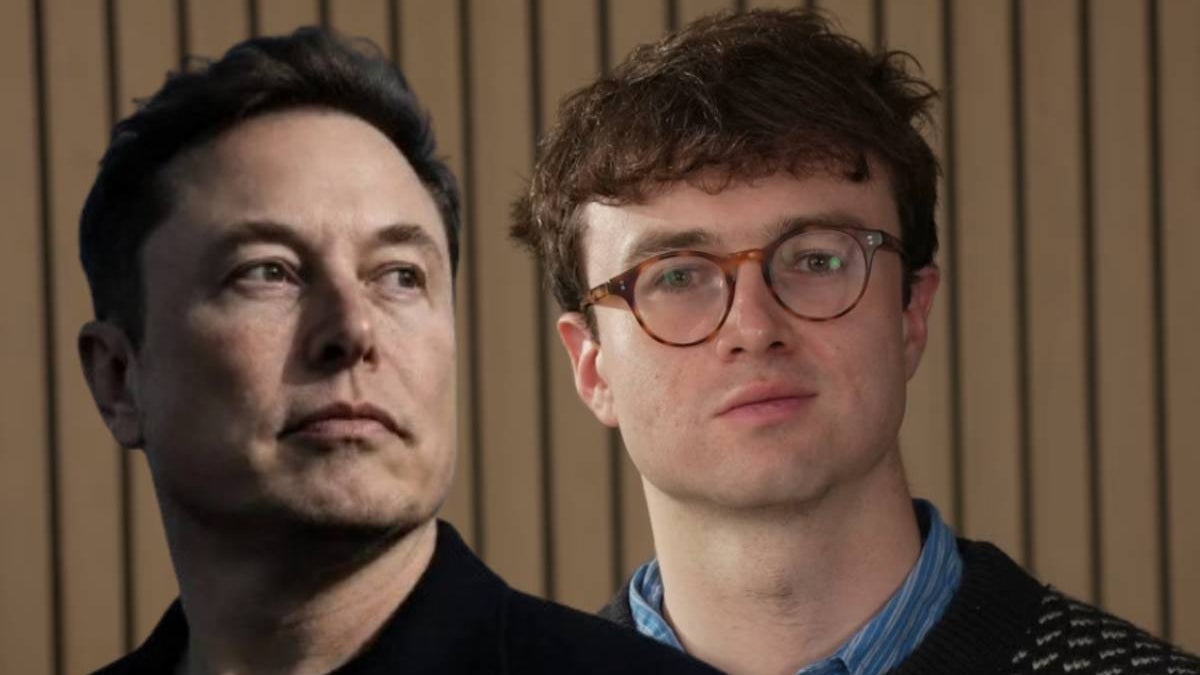
Jacob Coxon, refusing to be silenced, pivoted to verify his identity. He posted a photograph of himself and addressed Musk directly with a sharp, pointed challenge: "I am real and these are my real beliefs. You could ask your researchers at xAI about me if you hadn’t fired them."
Industry Validation
The final blow to the narrative that Coxon was a "fake" came when several current and former employees from both OpenAI and Anthropic stepped forward. These professionals, some using their verified accounts, confirmed they had worked alongside Coxon at their respective companies, effectively validating his credentials and the authenticity of his testimony.
Supporting Data: The Anatomy of the AI Arms Race
To understand why Coxon’s claims resonate so deeply, one must look at the structural incentives of the current AI boom. The industry is currently locked in a "compute race," where the size of models and the speed of their development are the primary metrics of success.
The "Superintelligence" Paradox
Coxon describes a culture where "self-improving superintelligence" is the end goal. In technical terms, this refers to recursive self-improvement, where an AI system writes its own code to become smarter, potentially leading to an "intelligence explosion." Experts have long debated the feasibility of this, but Coxon’s unique contribution is the testimony that those closest to the hardware believe it is not only possible but imminent.
The Privacy vs. Public Mask
The dichotomy between internal fear and public optimism is perhaps the most damning part of the whistleblower’s report. Coxon suggests that senior executives and top-tier researchers regularly temper their language for the press to maintain investor confidence and public goodwill, while simultaneously expressing deep anxiety in internal meetings. This creates an environment of "institutional gaslighting," where the gravity of the technical risks is muffled by the necessity of corporate growth.
Official Responses and Industry Silence
The silence from the leadership of OpenAI and Anthropic has been deafening. Neither company has issued a formal statement refuting the specific technical assertions made by Coxon. Instead, they have maintained a "business as usual" posture, continuing their product release cycles and public appearances.
However, the industry is not entirely unperturbed. Several prominent AI safety advocates and ethics researchers have used the incident to call for a moratorium on specific types of frontier model training. The implication is clear: if an internal researcher with deep access to the "pre-training" stage of development feels compelled to resign, the current self-regulatory frameworks are fundamentally broken.
Implications for the Future of Humanity
The fallout from the Coxon-Musk confrontation has shifted the discourse from "How can we make AI better?" to "Can we trust the people building it at all?"

The Crisis of Accountability
If private corporations are, as Coxon suggests, "gambling with our lives," the current model of industry-led safety is insufficient. There is a growing consensus among policymakers that third-party oversight—independent of the companies building the models—is no longer optional. The debate is now moving toward mandatory safety audits, government-enforced "kill switches," and legal liability for AI developers whose systems cause harm.
The Role of the "Techno-King"
Elon Musk’s involvement highlights the bizarre nature of the current AI ecosystem. By questioning the authenticity of a whistleblower while simultaneously running his own AI firm, Musk reflects the dual nature of the industry: a desperate scramble for dominance coupled with a profound, existential dread. His skepticism of Coxon may have been an attempt to protect the reputation of the industry, or perhaps a tactical maneuver to weaken the credibility of a potential competitor’s internal critics.
The Human Element
Ultimately, the most significant implication is the human cost. For years, AI development was seen as a purely engineering problem—an optimization challenge involving neural networks and GPUs. Coxon’s resignation and the subsequent viral support for his claims prove that AI is, and will always be, a human problem. It is a matter of culture, ethics, and the responsibility of the creators to the creation.
As the decade progresses toward the 2030s, the warning issued by Jacob Coxon serves as a chilling reminder. Whether one believes in the "doomsday" scenario or sees it as hyperbole, the fact remains that the world’s most powerful technology is being developed behind closed doors, under immense competitive pressure, and with little to no external accountability. The "trap," as it turns out, may not be the whistleblower’s account, but the very path the industry has chosen to take.
The events of this week have shattered the veneer of absolute consensus in the AI field. As stakeholders, policymakers, and the public digest the implications of these revelations, the industry stands at a crossroads: continue the relentless, potentially reckless pursuit of artificial superintelligence, or pause to address the systemic fears of those who built the very systems they now claim to fear. The future of the human race, as Coxon suggests, may well depend on which path they choose.