The Peruvian legislative landscape has been thrust into a heated debate following revelations regarding a substantial subsidy granted to parliamentarians for funeral expenses. At the center of the controversy is Senator Patricia Juárez, a prominent figure of the Fuerza Popular party, who has come under fire after reports indicated that she, along with twelve other lawmakers, received a payout of approximately 62,400 soles (roughly $16,500 USD) following the death of a family member.
The issue has ignited a broader discussion regarding the transparency of parliamentary benefits, the management of public funds, and the disconnect between the legislative elite and the economic realities faced by the average Peruvian citizen.
Main Facts: The Anatomy of a Parliamentary Benefit
The core of the scandal stems from a report by the media outlet Latina, which brought to light that the Peruvian Congress maintains a policy—often described as opaque—that grants significant financial support to lawmakers for funeral expenses. This benefit is disbursed even in instances where the parliamentarians already possess private insurance policies intended to cover such contingencies.
According to the investigation, the subsidy amounts to 62,400 soles. While the legislative body frames this as a contractual obligation managed through its insurance agreements, critics argue that such high payouts are exorbitant, particularly when the beneficiaries are individuals who already receive high salaries and have access to comprehensive private coverage.
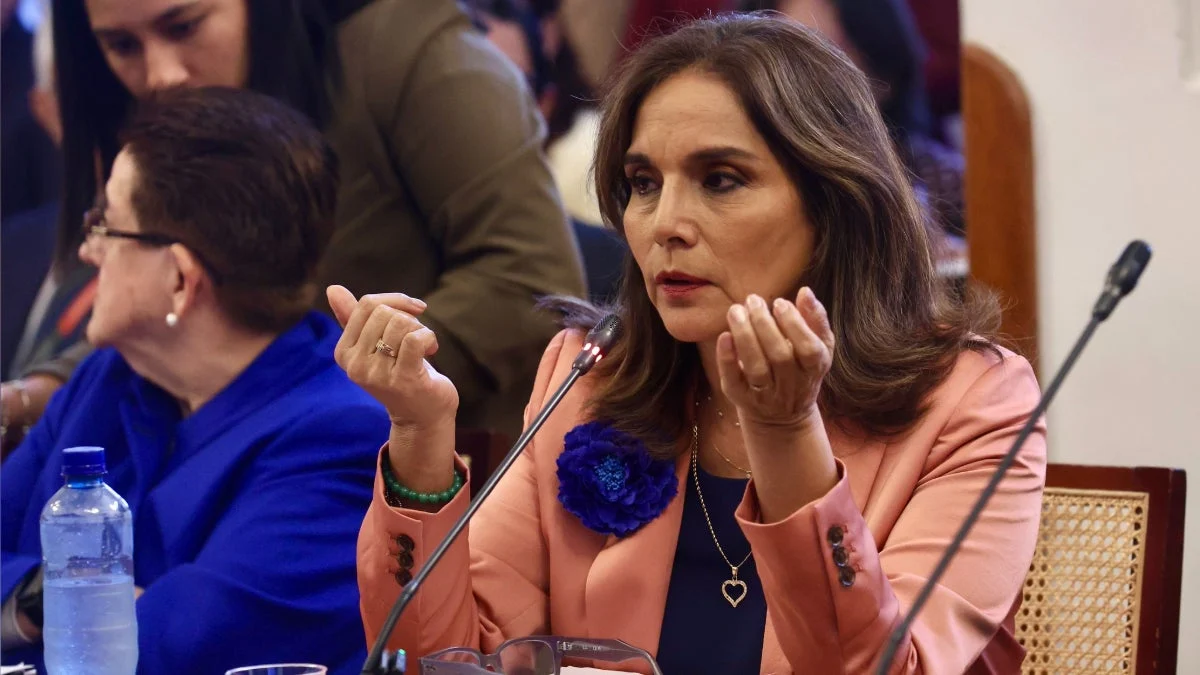
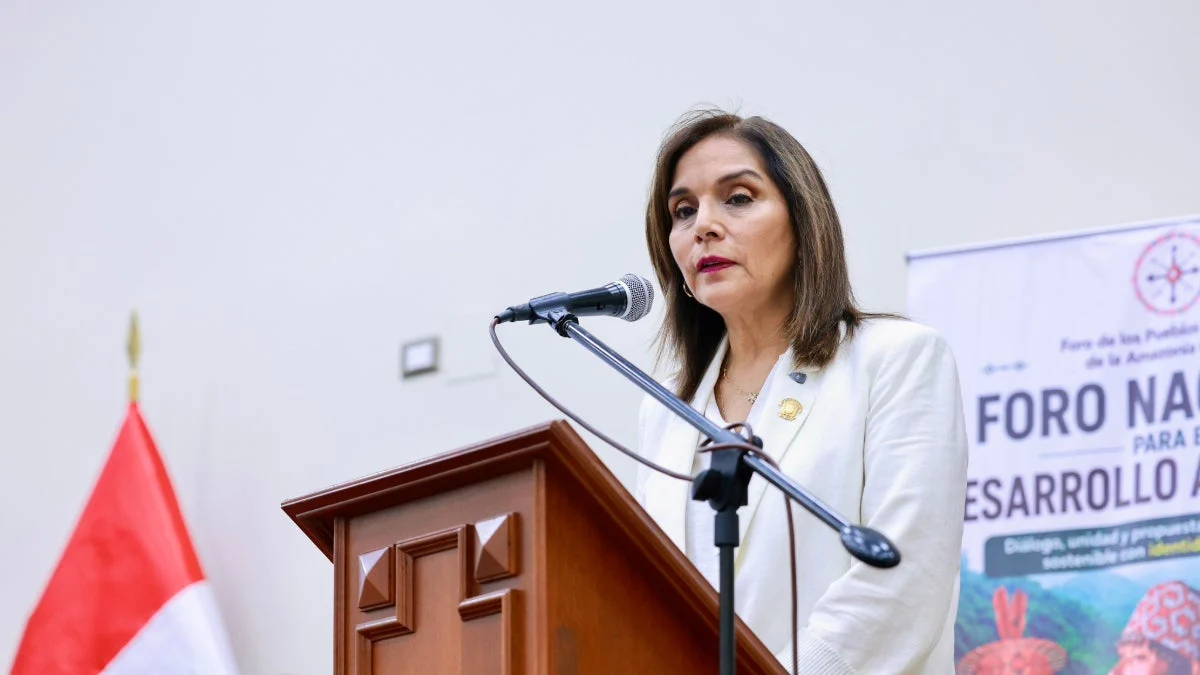
Senator Patricia Juárez, representing the recently established bicameral Congress, has become a focal point of this scrutiny. Her inclusion in the list of recipients has prompted a series of public justifications, during which she has consistently distanced herself from the policy-making process that established these payments.
Chronology of the Controversy
The narrative surrounding these subsidies has developed in several distinct stages:
The Discovery and Initial Report
The investigation conducted by Latina identified thirteen specific congressmen and women who accessed the subsidy during the previous legislative term. The revelation caught the public off guard, as many citizens were unaware that such a high-value benefit existed within the parliamentary structure.
The Public Response
Following the media coverage, pressure mounted on the identified lawmakers to explain the necessity of the payment. Senator Juárez, in an interview with RPP’s Prueba de Fuego, became the first high-profile official to address the matter in depth. Her statements served to frame the narrative: that the subsidy is a product of "Mesa Directiva" (Board of Directors) agreements, rather than individual requests by lawmakers.
The Defensive Stance
In the days following the report, Juárez reiterated her stance in various media outlets, emphasizing that she had no prior knowledge of the benefit until the exact moment of her mother’s passing. She argued that these mechanisms are pre-negotiated by the administrative wings of the Congress, operating independently of the individual legislative agenda.
Supporting Data: Transparency and Administrative Discretion
To understand the scope of the controversy, one must analyze the administrative structure of the Peruvian Congress. Historically, the "Mesa Directiva" holds significant power over the internal regulations and financial benefits of the institution.
The Nature of the Subsidy
The 62,400-sol figure is not a small, incidental expense; it represents a substantial sum relative to the national minimum wage in Peru. The defense offered by Juárez—that the money is processed through a pre-existing insurance contract—raises questions about the bidding processes used by the Congress to select these insurance providers.
Comparison of Benefits
Critics point out that while the average Peruvian faces significant hurdles in accessing adequate healthcare and end-of-life services, parliamentarians enjoy a "cushion" of benefits. Beyond funeral subsidies, the existence of "installation expenses" and other bonuses has historically been a point of contention in Peruvian politics. Juárez herself noted that she has personally rejected other bonuses, such as installation expenses, as a gesture of austerity, yet the funeral subsidy remains a point of vulnerability in her public record.
Official Responses and the "Mesa Directiva" Defense
Senator Patricia Juárez’s defense is multi-faceted. She maintains that:
- Lack of Individual Agency: She asserts that no member of Congress negotiates these stipends. They are, in her words, "agreements of the table" (acuerdos de mesa) that are often obscured from the average legislator’s knowledge until a tragedy occurs.
- Emotional Context: Juárez has expressed frustration at the political weaponization of a personal tragedy. She noted that she would "prefer millions of times to have my mother alive" than to have accessed the funds. This humanization of the issue serves as a shield against accusations of greed.
- Commitment to Reform: In an attempt to de-escalate, Juárez suggested that if the current insurance terms are deemed excessive or inappropriate for the current climate, the Congress should consider re-negotiating the contracts. She has characterized such a move as a "great gesture for the citizenry."
"I have always pointed out that the State’s money must be taken care of in the best way possible," Juárez stated during her interview. "There must be levels and criteria of austerity."
Implications: A Crisis of Public Confidence
The fallout from this incident extends far beyond the bank accounts of thirteen legislators. It touches upon the fragile relationship between the Peruvian public and their elected representatives.
The Erosion of Trust
The perception that lawmakers are "out of touch" is reinforced by incidents like this. When the public perceives that the legislature uses its power to secure lavish benefits while the country struggles with economic volatility, the result is a deeper cynicism toward democratic institutions.
Demands for Institutional Reform
The incident has catalyzed calls for a total overhaul of the "Mesa Directiva’s" ability to sign off on such benefits. Reformers argue that if these subsidies are to exist, they should be capped, transparently debated, and perhaps subjected to a needs-based test rather than being treated as a standard parliamentary perk.
Political Consequences for Fuerza Popular
For the Fujimorista party, the controversy is a tactical burden. As they seek to maintain influence in a fragmented Congress, the association of one of their leading senators with an unpopular subsidy could be used by political opponents to paint the party as elitist or indifferent to public concerns.
Conclusion: The Path Forward
The debate surrounding the funeral subsidies is emblematic of the broader struggle for fiscal responsibility in Peru. While Senator Patricia Juárez has attempted to frame herself as a victim of a systemic administrative policy rather than an architect of it, the public remains skeptical.
For the Peruvian Congress, the path forward is clear but difficult: if the legislature wishes to regain the trust of the electorate, it must move toward absolute transparency regarding all forms of compensation and benefits. As Juárez herself admitted, a re-negotiation of these contracts would be a "great gesture." However, in the court of public opinion, gestures are no longer enough; the public demands tangible evidence that the state’s resources are being protected, not exploited, by those tasked with the responsibility of governance.
Whether this incident leads to substantive legislative reform or remains a footnote in the ongoing cycle of Peruvian political scandal depends largely on whether the current leadership chooses to prioritize institutional integrity over the preservation of existing benefits. The burden of proof now rests with the Congress to demonstrate that it is, indeed, listening to the citizens it serves.