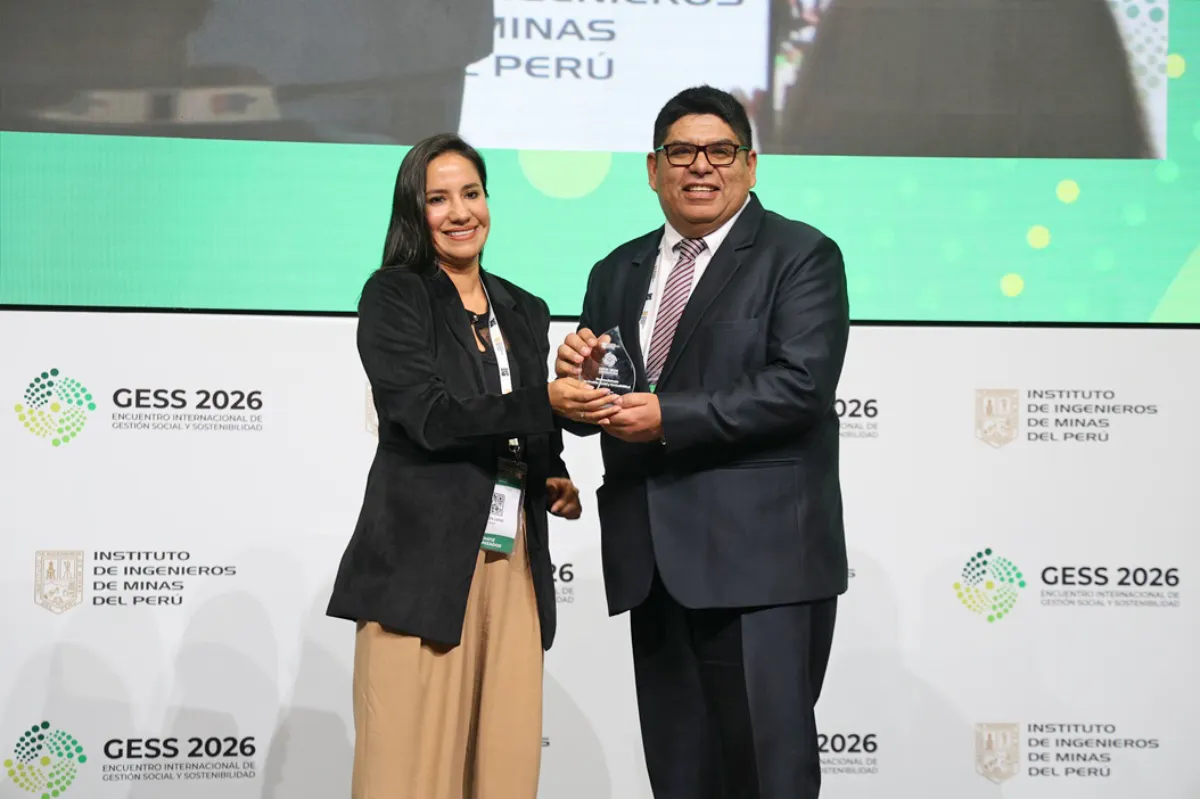
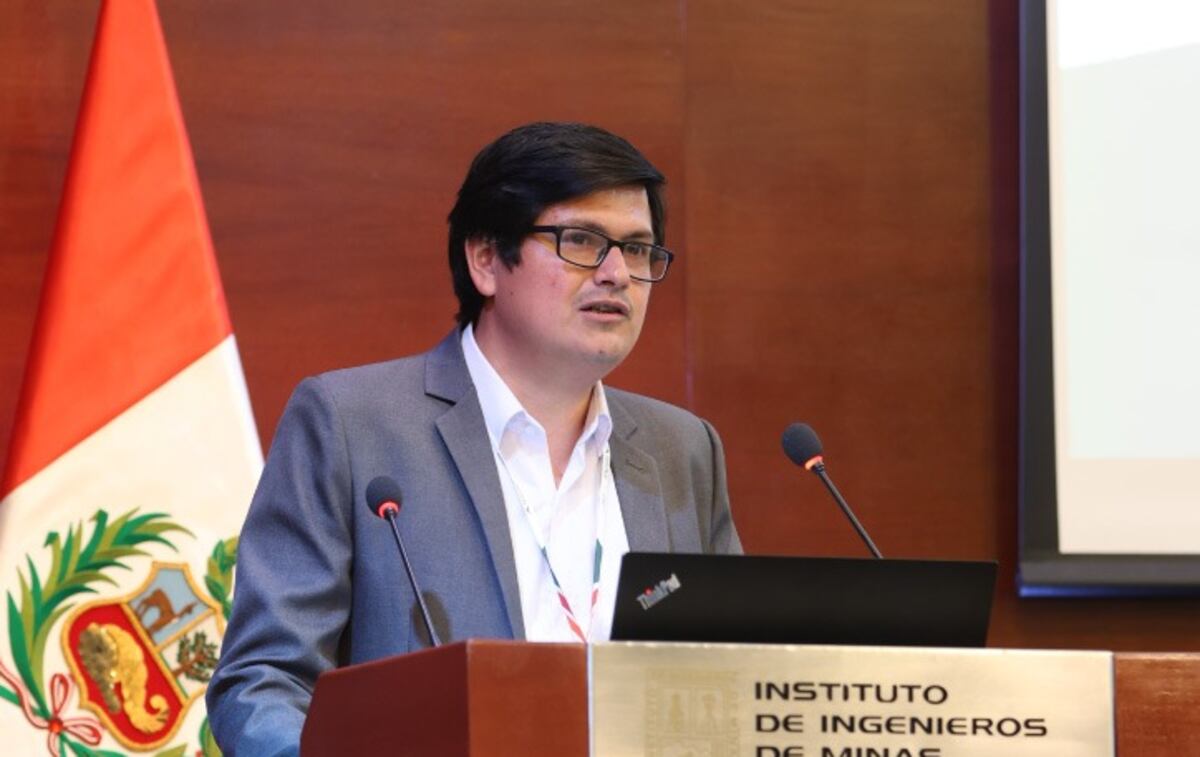
Lima, Peru – The mining industry stands on the cusp of a profound transformation, driven by the rapid integration of new technologies. However, the true measure of this digital revolution will not solely be its impact on productivity or efficiency, but its capacity to foster greater sustainability, enhance transparency, and fundamentally improve relationships with the territories and communities where mining operates. This perspective is championed by Homar Lozano, Director of the Peruvian Institute of Mining Engineers (IIMP) and a key member of the organizing committee for GESS 2026.
Lozano asserts that the digital transformation of the mining sector can no longer be narrowly defined by its ability to boost output, streamline operations, and reduce costs. Instead, the focus must broaden to encompass how technology can be a powerful catalyst for positive change across environmental, social, and governance (ESG) spheres. The conversation needs to shift from simply how much more can be produced with greater efficiency, to how technology can enable better production, minimize environmental impacts, and cultivate deeper trust with local stakeholders.
The Evolving Landscape of Mining Technology
The mining industry, historically characterized by its robust, often labor-intensive operations, is undergoing a significant technological evolution. This shift is not merely about adopting new gadgets; it represents a fundamental re-imagining of how mining is conducted, managed, and perceived. From advanced exploration techniques utilizing AI and machine learning to autonomous drilling and sophisticated data analytics for operational optimization, the technological frontier is expanding at an unprecedented pace.
The integration of digital platforms, enhanced connectivity, and sophisticated data analysis tools offers immense potential. These technologies can democratize access to education and training in remote mining regions, facilitate the delivery of essential services, and unlock new economic opportunities for local populations. This is particularly crucial in developing economies where mining often represents a significant, if not the sole, economic engine for surrounding communities.
However, Lozano cautions against the notion that technology can be a panacea for all challenges. While digital platforms can efficiently disseminate information, they cannot replace the nuanced understanding and empathy gained from direct human interaction. Similarly, advanced monitoring systems can generate vast amounts of data, but the trust and goodwill necessary for a strong social license to operate are built through consistent dialogue, responsiveness, and tangible positive outcomes.
Technology as a Catalyst for Transparency and Governance
One of the most compelling arguments for the accelerated adoption of digital technologies in mining lies in its potential to bolster governance and transparency. Blockchain technology, for instance, offers unprecedented opportunities for supply chain traceability, ensuring that minerals are sourced ethically and responsibly. This can combat illegal mining operations, prevent the flow of conflict minerals, and provide consumers with greater assurance about the provenance of the materials they use.
Furthermore, digital systems can significantly enhance regulatory oversight. Real-time data collection and analysis allow for more precise monitoring of environmental compliance, worker safety, and financial reporting. This not only aids regulatory bodies in their oversight functions but also provides mining companies with the tools to proactively identify and mitigate risks, thereby fostering a culture of accountability.
The ability to access and analyze data with greater speed and accuracy empowers decision-makers at all levels. This data-driven approach allows for more informed strategic planning, resource allocation, and risk management. For diverse stakeholders, from investors to local communities, access to transparent and reliable information builds confidence and facilitates more constructive engagement.
Environmental Stewardship in the Digital Age
The environmental challenges facing the mining sector are significant, ranging from water management and energy consumption to land rehabilitation and biodiversity protection. Digital technologies are emerging as critical allies in addressing these issues.
Real-time monitoring systems, for example, can track vital environmental variables such as water quality and availability, air quality, greenhouse gas emissions, and energy consumption. This continuous stream of data allows for the early detection of potential environmental risks, enabling swift intervention and more effective mitigation strategies. Advanced sensors and satellite imagery can also be used to monitor land disturbance, track deforestation, and assess the impact of mining activities on local ecosystems.
The use of artificial intelligence (AI) and machine learning can further optimize resource utilization. AI algorithms can analyze vast datasets to identify patterns and predict outcomes, leading to more efficient energy consumption, reduced water usage, and minimized waste generation. This not only contributes to environmental sustainability but also translates into significant cost savings for mining operations.
Case Study: Antapaccay’s Autonomous Drilling Prowess
The Peruvian mining sector is already showcasing the tangible benefits of technological integration. Homar Lozano points to the example of Antapaccay, a mining operation that has significantly enhanced its efficiency through the adoption of autonomous drilling technology. This implementation has reportedly led to an impressive increase of up to 70% in equipment utilization. This case underscores the evolving role of technology, moving from a supplementary element to an integral part of strategic mining infrastructure. Such advancements demonstrate that the future of mining is not just about extracting resources more effectively, but about doing so with greater precision, safety, and potentially, a reduced environmental footprint.
The Human Element: Bridging the Digital Divide
While the technological advancements are undeniable, Lozano emphasizes that technology alone cannot replace the crucial human element in building strong relationships. The digital transformation of mining necessitates a corresponding evolution in the skills and competencies of the workforce. New professional profiles will emerge, requiring individuals who can seamlessly blend technical expertise with digital fluency, coupled with strong communication, leadership, and collaborative abilities.
A deep understanding of the social and cultural contexts in which mining operates is paramount. This means developing professionals who can effectively engage with diverse stakeholders, listen to their concerns, and translate technological capabilities into tangible benefits for local communities. The new generation of mining professionals will play a pivotal role in driving the adoption and responsible implementation of technologies like artificial intelligence, automation, and advanced analytics.
Lozano’s perspective highlights a critical distinction: innovation should not be solely measured by the sophistication of the technology itself, but by the genuine value it creates for the operation, its people, and the territories it impacts. This value proposition must extend beyond economic metrics to encompass social and environmental well-being.
The Future of Mining: Sustainable, Inclusive, and Trustworthy
The mining industry of the future will undoubtedly be more digital. However, the overarching challenge lies in ensuring that this digital transformation translates into a more sustainable, inclusive, and trustworthy industry. This requires a proactive and deliberate approach to technology adoption, guided by ethical considerations and a commitment to shared value creation.
The ultimate goal, as articulated by Lozano, is to leverage technology not just to revolutionize the mechanics of mining, but to fundamentally transform the relationship between the industry and society. This involves fostering open dialogue, ensuring equitable distribution of benefits, and actively contributing to the socio-economic development of the regions where mining operations are situated.
The journey towards a digitally transformed and socially responsible mining sector is complex and ongoing. It demands a holistic approach that integrates technological innovation with a deep understanding of human needs and environmental imperatives. By embracing this integrated vision, the mining industry can move beyond simply extracting resources to becoming a true partner in sustainable development and a catalyst for positive societal change.
Implications and the Road Ahead
The implications of this paradigm shift are far-reaching. For mining companies, it means a strategic reorientation of their investment priorities, placing as much emphasis on social and environmental impact as on operational efficiency. It necessitates the development of robust ESG strategies, underpinned by transparent data and effective stakeholder engagement.
For governments and regulatory bodies, it calls for the establishment of clear frameworks and policies that encourage responsible technological adoption and ensure that the benefits of digitalization are equitably shared. This includes investing in digital infrastructure, promoting digital literacy, and fostering collaboration between industry, academia, and civil society.
For communities, it offers the potential for greater empowerment through access to information, education, and economic opportunities. It also demands active participation in decision-making processes and a commitment to holding mining companies accountable for their social and environmental performance.
The GESS 2026 conference, with its focus on innovation and sustainability, provides a critical platform for these discussions. As Homar Lozano and his colleagues champion, the future of mining hinges on its ability to harness the power of technology not just for profit, but for progress – progress that is measured in environmental stewardship, social equity, and enduring trust. The path forward is one where digitalization serves as a tool to build bridges, not barriers, between industry and society, forging a new era of responsible and sustainable resource development.