In a decisive move to mitigate the catastrophic potential of seismic activity in one of the world’s most active tectonic regions, the Peruvian Ministry of Housing, Construction, and Sanitation (MVCS) has officially launched a critical phase of its "Bono de Protección de Viviendas Vulnerables a los Riesgos Sísmicos" (BPVVRS) program. By targeting high-density and high-risk districts—specifically Ate, San Juan de Lurigancho, and Villa El Salvador—the government is shifting from reactive disaster management to a proactive model of structural fortification.
This initiative, central to the 2026 agenda, aims to provide thousands of low-income families with the architectural safeguards necessary to survive significant seismic events. As the country remains acutely aware of its geographic vulnerability, these interventions represent more than just construction; they represent a fundamental commitment to public safety and urban resilience.
The Core Mandate: Understanding the BPVVRS
The BPVVRS is not merely a subsidy program; it is a specialized technical intervention designed to address the specific vulnerabilities of informal or self-constructed housing. Many households in the periphery of Lima were built without professional engineering oversight, making them particularly susceptible to collapse during high-magnitude tremors.
The program facilitates the construction of a "safe zone"—a fortified, structurally sound space within the existing home—comprising at least 18 square meters. This area is designed to withstand seismic forces, serving as a sanctuary for families during an emergency. The project encompasses essential structural reinforcement, including demolition where necessary, and the application of advanced construction standards that align with modern building codes.
A Chronology of Implementation
The progress of the 2026 initiative is the result of months of meticulous planning, site assessment, and administrative coordination.

- Early 2026: The Ministry identified the most vulnerable sectors in the capital, focusing on areas with high seismic hazard maps and significant socio-economic vulnerability.
- Mid-2026: The technical vetting process began, with engineers assessing hundreds of properties to determine the structural requirements for each unit.
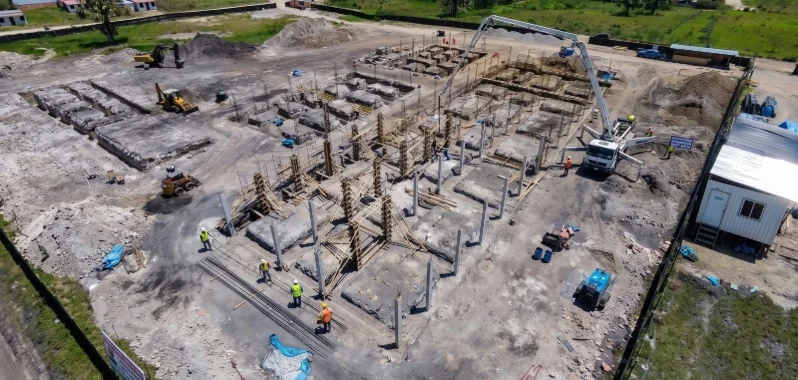
- September 2026: The first phase of construction officially commenced. Currently, 236 homes have received approved technical dossiers and are in the final stages of fund disbursement, signaling the transition from planning to on-site execution.
- Ongoing: The government has opened two separate calls for applications throughout the year, encompassing a total of 520 potential bonus recipients across the target districts.
Supporting Data and Financial Framework
The financial model of the BPVVRS is structured to remove economic barriers for families who otherwise could not afford to reinforce their homes. The subsidy, which peaks at S/22,600 (approximately $6,000 USD), is comprehensive, covering all three pillars of the construction process: materials, specialized labor, and professional oversight.
The program is divided into three distinct modalities, tailored to the specific needs of the building:
- Basic Structural Reinforcement (S/21,000): Focusing on reinforcing existing walls and foundations to prevent collapse.
- Reinforcement with Light Roof (S/21,600): Upgrading the structural integrity and replacing heavy, dangerous roof structures with lighter, more resilient materials.
- Comprehensive Rehabilitation (S/22,600): Involving significant demolition of unsafe walls and the subsequent reconstruction of a reinforced, light-roofed environment.
This tiered approach ensures that the limited state budget is distributed with maximum efficiency, ensuring that the most high-risk structures receive the most robust interventions.
Official Perspectives: The Minister’s Vision
Minister of Housing, Construction, and Sanitation, Mauricio Arnillas, has been vocal about the necessity of this shift toward prevention. During a recent site visit to the ongoing works, Arnillas emphasized that the government’s role is to act long before the sirens sound.
"In Lima, we are acutely aware that a major earthquake is not a matter of ‘if,’ but ‘when,’" Minister Arnillas stated. "We cannot afford the luxury of waiting for a tragedy to occur before we invest in our people. Our strategy is clear: by building fortified spaces within the home, we are providing families with a fighting chance. We are transforming the very architecture of vulnerability into a structure of survival."

This sentiment is echoed by engineers and urban planners involved in the program, who argue that strengthening housing stock is the most cost-effective way to reduce the long-term economic and humanitarian impact of natural disasters.
The Broader Context: Urban Resilience and Risk Reduction
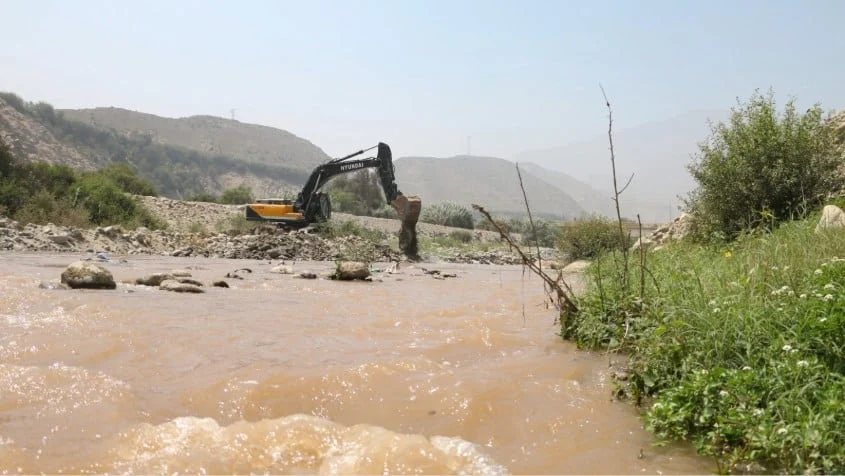
The work in Ate, San Juan de Lurigancho, and Villa El Salvador exists within a broader portfolio of civil protection projects. For instance, simultaneous efforts are underway to manage riverbank vulnerabilities, such as the ongoing interventions at the Chillón River. These projects, designed to prevent flooding and protect agricultural lands, mirror the Ministry’s holistic approach to disaster risk management.
By addressing seismic risk and climate-related risks simultaneously, the Peruvian government is attempting to create a more stable urban environment. The challenge, however, remains significant. Lima’s rapid and often unregulated urban sprawl has created thousands of homes built on precarious slopes or unstable soil. The BPVVRS is a targeted scalpel in a field that requires massive surgical intervention.
Socio-Economic Implications
The impact of this program extends beyond physical safety. For families living in poverty, the loss of a home to an earthquake is a permanent setback that pushes them further into economic hardship. By stabilizing these homes, the government is effectively protecting the primary asset of thousands of low-income families.
Furthermore, the program stimulates the local economy. By contracting local builders and sourcing materials through formal supply chains, the BPVVRS promotes a higher standard of construction practice in the informal sector. It serves as a practical, hands-on lesson in structural integrity, potentially influencing the way future additions and modifications to these homes are built by the residents themselves.

Challenges and Future Outlook
Despite the clear benefits, the scale of the need remains daunting. With only 520 bonos allocated for 2026, the current program is a pilot of sorts, addressing a fraction of the total housing deficit. Experts suggest that to truly transform the seismic safety profile of the city, the program must be scaled significantly, perhaps through public-private partnerships or by incentivizing private construction firms to adopt these "safe zone" designs in broader housing developments.
The Ministry has pledged to continue these efforts, recognizing that the sustainability of the program depends on consistent funding and continued public trust. The success of the current 236 homes will likely determine the pace at which the program expands into other high-risk districts in the coming years.
Conclusion: A Foundation for the Future
The efforts of the MVCS in 2026 mark a maturing of Peru’s disaster risk management strategy. By moving the focus to the household level, the government is empowering citizens to participate in their own safety. While no amount of reinforcement can guarantee total immunity against the forces of a major earthquake, the BPVVRS provides the critical difference between total structural failure and a survivable event.
As the construction crews continue their work in Ate, San Juan de Lurigancho, and Villa El Salvador, they are doing more than pouring concrete or installing steel beams; they are building a culture of prevention. For the families receiving these upgrades, the "safe zone" is more than a room—it is the promise that, when the ground begins to shake, they have a secure place to stand. The initiative serves as a model for other seismic-prone nations, demonstrating that with the right combination of state funding, engineering expertise, and social outreach, the devastating legacy of earthquakes can be mitigated, one home at a time.