Introduction: A Milestone in the Heart of the Andes
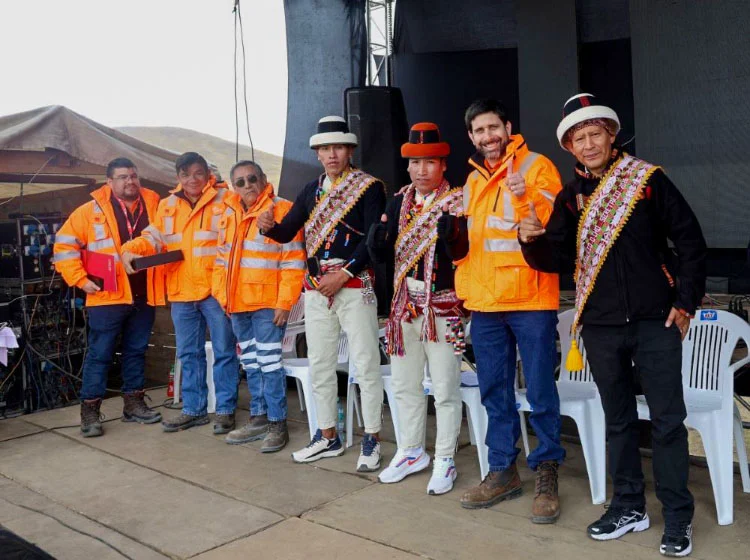
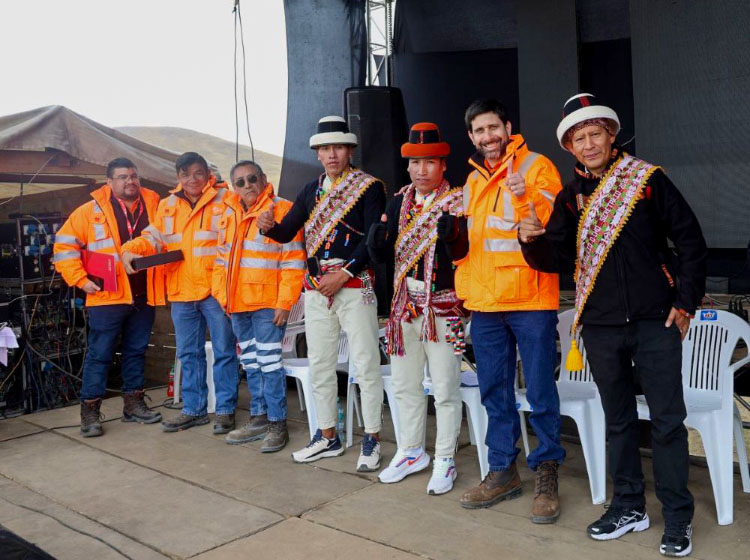
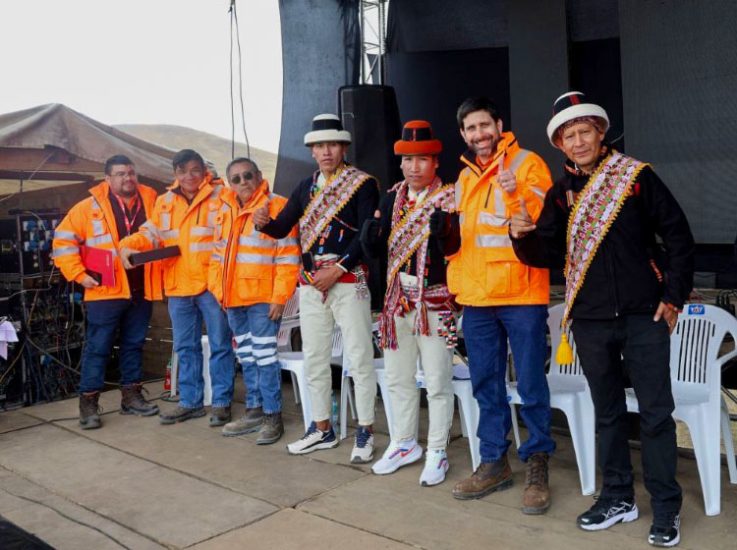
In the rugged landscape of the Cotabambas province, within the district of Coyllurqui, the Community of Huancuire recently marked a significant milestone: its 27th anniversary. The celebration was more than a local festivity; it served as a poignant reminder of a two-decade-long partnership between a rural community and one of the world’s most significant copper operations, Minera Las Bambas.
The event, which brought together comuneros, local authorities, and representatives from the mining company, underscored the evolution of a relationship that has transitioned from neighborly coexistence to a sophisticated model of sustainable economic integration. As the community looks toward the future, the narrative of Huancuire stands as a case study in how large-scale mining and traditional Andean life can forge a path of mutual development.
The Main Facts: Celebrating 27 Years of Identity
The 27th anniversary of the Huancuire Campesino Community was characterized by a vibrant display of local culture, agriculture, and community pride. The festivities featured a traditional parade, an agro-pastoral fair, and, notably, a horse race—an activity deeply rooted in the cultural fabric of the region.
Minera Las Bambas, as a key strategic partner, played a central role in the event, not merely as a guest, but as an active participant. By contributing to the organization of the festivities and sponsoring prizes for the community competitions, the company reaffirmed its commitment to the socio-cultural vitality of the area. This partnership is grounded in a history spanning over 20 years, predating much of the current operational scale of the mine, and is now defined by formal agreements aimed at economic empowerment and infrastructure development.
A Chronology of Collaboration
The relationship between Huancuire and Las Bambas has been anything but static. To understand the current climate of cooperation, one must look at the timeline of their engagement:
- 1999 (Foundation): The Huancuire community was officially established. Driven by the vision of local leaders and the hard work of the founding families, the community set its sights on growth and territorial organization.
- Early 2000s (The Exploration Phase): As Las Bambas transitioned from exploration to project development, the proximity of the mine to Huancuire necessitated the beginning of a formal dialogue. Early interactions focused on land use and the potential for long-term impact on local agricultural practices.
- 2010–2015 (Infrastructure and Integration): This period marked a shift toward formal service provision. The community began to see the potential of participating in the mining value chain, leading to the creation of initial communal enterprises.
- 2016–2022 (Operational Scale-up): The commencement of commercial operations at Las Bambas brought new challenges and opportunities. The focus shifted to the development of the Chalcobamba pit, which directly involved the lands and interests of the Huancuire community.
- 2023–Present (Strategic Partnerships): The current era is defined by the professionalization of communal businesses. Through the entity CORHUAN, the community has become an integral logistics partner in the transportation of copper concentrate, signaling a move from manual labor to complex industrial service provision.
Supporting Data: The Economic Engine of Community Growth
The collaboration is best measured not just in rhetoric, but in economic indicators. The development of communal enterprises has been the cornerstone of the relationship.
The Role of CORHUAN
The creation and consolidation of the communal company CORHUAN represent the most significant achievement in this partnership. By securing contracts for the transportation of copper concentrate, the community has moved into the primary supply chain of the mine. This provides a steady revenue stream that is independent of traditional subsistence farming, allowing for investments in health, education, and community infrastructure.
The Chalcobamba Project
The Chalcobamba sector of the Las Bambas operation is intrinsically linked to the community’s cooperation. The development of this area is a testament to the negotiation skills of local leaders and the company’s willingness to integrate community stakeholders into the operational project cycle. The jobs created here are not merely temporary; they are part of a long-term plan to build technical capacity among the youth of Huancuire.
Official Responses: Voices from the Anniversary
The ceremony provided a platform for leaders from both sides to reflect on the progress made and the challenges that remain.
Javier Ochoa Núñez, President of the Community
In his address, Javier Ochoa Núñez emphasized the historical weight of the anniversary. "Huancuire was created in 1999 thanks to the work of our grandparents and parents," he stated. "From that point on, we have grown step-by-step through pure effort. Today, it is important to recognize the presence of our brothers from Las Bambas. We live together every day; they are our neighbors." His words highlighted a sense of collective identity, moving beyond the transactional nature of business toward a genuine "neighborhood" dynamic.
Claudio Cáceres Franco, Vice President of Sustainability at Las Bambas
Representing the mining firm, Claudio Cáceres spoke to the endurance of the partnership. "The understanding and joint work over these two decades have allowed us to generate concrete opportunities," Cáceres noted. He specifically highlighted the "fortalecimiento" (strengthening) of communal enterprises. He emphasized that the company’s vision is not just to provide jobs today, but to build capacity that will outlive the mining operation, particularly focusing on the youth who are the future of the region.
Implications: A Model for Sustainable Development
The case of Huancuire and Las Bambas offers several key implications for the mining industry in Peru and globally:
1. Moving Beyond CSR to Co-Development
Traditional Corporate Social Responsibility (CSR) often focuses on "giving back" through donations. However, the Huancuire model suggests that "co-development"—where the community acts as a service provider and partner—is more effective at generating long-term prosperity.
2. The Importance of Professionalization
The success of CORHUAN illustrates that communities can successfully manage complex logistics if they receive the necessary technical training and support. By treating the community as a business partner rather than a beneficiary, both parties reduce the risk of conflict and increase operational efficiency.
3. Generational Planning
One of the most pressing issues in mining regions is the "resource curse" or the fear that the land will be exhausted, leaving the community with nothing. By investing in the education and technical skills of the next generation of Huancuire, Las Bambas is attempting to diversify the community’s skill set, ensuring that their future is tied to the broader economy rather than just the mine.
4. Navigating Cultural Tensions
While the anniversary celebration was a success, the road to this point was not without difficulty. The history of the region is marked by protests and negotiations. The current harmony is a result of a commitment to dialogue—a process that requires constant maintenance and a high degree of transparency. The ability to celebrate 27 years together proves that even after intense periods of friction, trust can be rebuilt through consistent, transparent engagement.
Conclusion: The Path Ahead
As the sun sets over the peaks surrounding Cotabambas, the relationship between Huancuire and Las Bambas serves as a beacon for other mining projects in the Andean corridor. The challenges of the future—including fluctuating copper prices, environmental stewardship, and the evolving needs of the community—will require the same level of cooperation seen over the past 27 years.
The anniversary was not just a celebration of the past, but a promise for the future. By prioritizing dialogue, strengthening communal enterprises, and fostering the growth of the next generation, the Community of Huancuire and Minera Las Bambas are proving that mining, when done in partnership with the local population, can be a potent catalyst for regional progress. The success of this 27-year journey is a testament to the idea that sustainable development is not a destination, but a continuous process of working together to turn shared resources into lasting, tangible prosperity.