By Editorial Staff, Peru Construye
In a decisive move to fortify national infrastructure against the looming threat of the 2026-2027 El Niño phenomenon, the Peruvian government has authorized a critical budget injection of S/ 25.5 million. This financial allocation is specifically earmarked for the Ministry of Housing, Construction, and Sanitation (MVCS) to execute 55 targeted interventions focused on the cleaning and desilting of riverbeds and ravines. By focusing on high-risk zones, the state aims to mitigate the potential for devastating floods and overflows that have historically plagued the country during intense rainy seasons.
Main Facts: A Strategic Intervention
The core of this initiative lies in its proactive nature. Rather than waiting for the seasonal rains to cause destruction, the MVCS, under the leadership of Minister Mauricio Arnillas, has identified critical points across eight key regions. The interventions are scheduled to take place in Tumbes, Piura, Lambayeque, La Libertad, Áncash, Lima, Ica, and Arequipa.
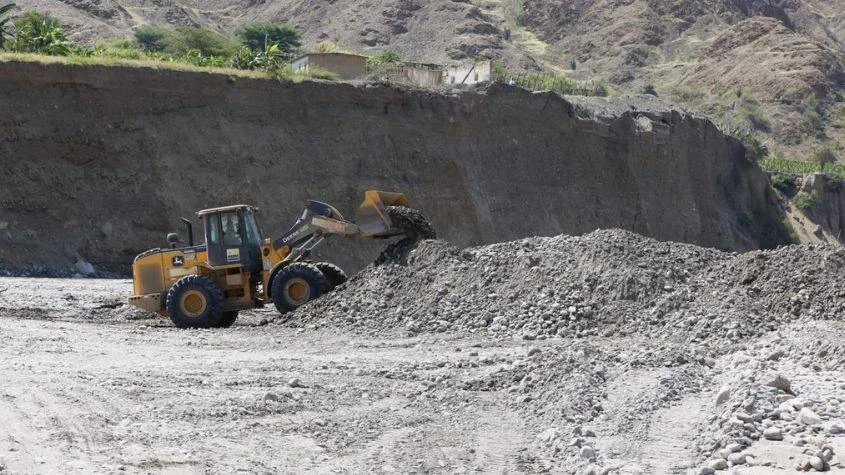
The desilting process—the removal of sediment, debris, and accumulated vegetation from river channels—is essential to restoring the natural hydraulic capacity of these watercourses. When rivers are clogged with silt, even moderate rainfall can trigger catastrophic overflows. By clearing these passages, the ministry expects to significantly reduce the risks faced by thousands of families living in the immediate vicinity of these precarious waterways.
Chronology of the Government Response
The path to this allocation began with the formalization of the national strategy for disaster risk management.

- Mid-2026: Meteorological data regarding the 2026-2027 El Niño cycle began to indicate a high probability of intense precipitation, prompting the MVCS to conduct nationwide assessments of vulnerable riverine infrastructure.
- August 2026: Technical teams from the Ministry of Housing identified the 55 most critical intervention points, prioritizing areas where previous flooding events had caused significant property damage.
- September 6, 2026: The definitive legal framework was established with the publication of Decreto Supremo N° 180-2026-EF in the official gazette El Peruano. This decree authorized the transfer of resources from the Ministry of Economy and Finance (MEF) Reserve of Contingency to the MVCS, providing the necessary liquidity to begin procurement and mobilization of machinery.
- Present Day: The implementation phase has commenced, with heavy machinery being deployed to the designated regions to ensure that the work is completed before the peak of the rainy season arrives.
Supporting Data and Technical Context
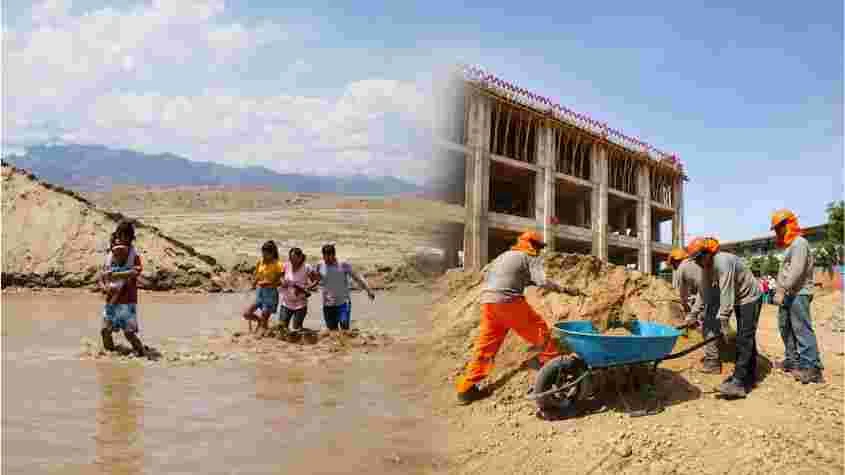
The scale of the threat posed by El Niño is substantial. Historical data shows that the aforementioned regions are the most susceptible to hydrological instability in Peru. In regions like Piura and Tumbes, the combination of flat terrain and high rainfall intensity creates a perfect storm for inundation.
The S/ 25.5 million investment is not merely a budgetary figure; it represents a calculated expenditure on engineering work, including the mobilization of excavators, bulldozers, and dump trucks. Each of the 55 projects has been engineered to address specific hydrological flow rates identified in the technical surveys. Furthermore, the mandate is strict: the funds must be utilized exclusively for the intended cleaning and desilting operations, with oversight mechanisms in place to ensure financial transparency and operational efficiency.
Official Responses and Strategic Vision
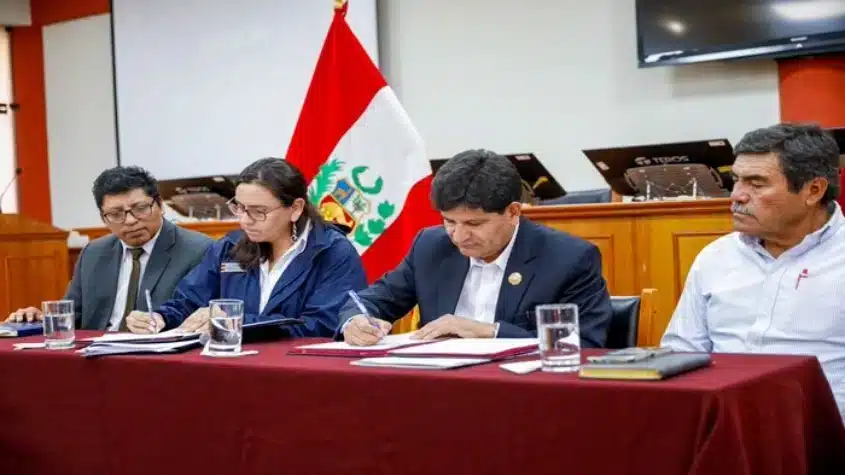
Minister Mauricio Arnillas has been vocal about the paradigm shift in the government’s approach. "We are acting before the heavy rains arrive," Arnillas stated following the decree’s publication. "From the Executive branch, we are allocating resources to intervene in critical points and reduce risks in the most vulnerable zones. Our priority is to protect the life and safety of families."
This "prevention-first" philosophy marks a departure from the reactive emergency responses that characterized earlier decades. By investing in preventative civil engineering, the Ministry aims to lower the long-term cost of disaster recovery. Every sol spent on cleaning a riverbed today is estimated to save ten or more soles in emergency housing relief, infrastructure reconstruction, and healthcare costs in the future.
Furthermore, the government is emphasizing inter-institutional coordination. While the MVCS provides the technical expertise and funding, the execution requires the active participation of local municipal governments, which provide the local knowledge of terrain and community demographics necessary for effective project deployment.

The Broader Implications for National Infrastructure
The implications of these 55 interventions extend far beyond the immediate mitigation of flood risk.
1. Strengthening Rural and Urban Resilience
Many of the communities targeted are located in peri-urban areas where informal settlements have expanded near natural drainage routes. These projects serve as a vital protection layer for these populations, who are historically the most affected by natural disasters.
2. Economic Stability
The agricultural sectors of Lambayeque, Ica, and La Libertad are the engines of Peru’s export economy. Flooding in these regions often destroys thousands of hectares of crops and wipes out rural roads (the "trochas"), effectively isolating producers from markets. By stabilizing riverbanks and ensuring proper drainage, the state is effectively protecting the national supply chain and local livelihoods.
3. Engineering and Innovation
The project requires the mobilization of significant heavy machinery, which in turn stimulates the local construction services market. The technical standards applied to these 55 sites will serve as a baseline for future civil protection works, potentially setting new benchmarks for how the Peruvian state approaches water management.
4. Public Trust and Governance
In a country often cynical about the efficacy of government spending, the transparency of the Decreto Supremo N° 180-2026-EF and the swiftness of the implementation are vital for maintaining public trust. The success of these 55 projects will be a litmus test for the current administration’s ability to manage complex logistics under the pressure of a looming climate event.

Challenges Ahead: Beyond the 55 Projects
While 55 interventions represent a significant start, experts warn that the challenge of climate adaptation is ongoing. The intensity of El Niño events has been increasing due to global climate change, meaning that periodic maintenance of riverbeds will need to become a permanent feature of the annual national budget.
The Ministry of Housing has acknowledged that while these cleaning operations are essential, they must be complemented by:
- Infrastructure Reinforcement: Beyond clearing riverbeds, the strengthening of retaining walls and embankments is necessary in highly congested urban sectors.
- Urban Planning: Stricter enforcement of zoning laws is required to prevent the further expansion of human settlements in high-risk zones, which currently forces the government to play a perpetual game of "catch-up."
- Early Warning Systems: Continued investment in meteorological monitoring to provide real-time data to local authorities, allowing for timely evacuations when preventative infrastructure reaches its capacity.
Conclusion: A Proactive Future
As the 2026-2027 season approaches, the focus in Lima and the regional capitals is squarely on the execution of these works. The S/ 25.5 million is a vital investment in the physical and social resilience of the nation. By prioritizing these 55 points of intervention, the Ministry of Housing is demonstrating a commitment to human security that transcends simple rhetoric.
The coming months will be a test of both the machinery on the ground and the administrative will of the state. If successful, these interventions will serve as a model for future disaster risk reduction, proving that with strategic planning and timely financial action, Peru can navigate the complexities of an increasingly volatile climate. The goal is clear: to ensure that when the rains come, the communities of the coast are not just hoping for the best, but are structurally prepared for the worst.