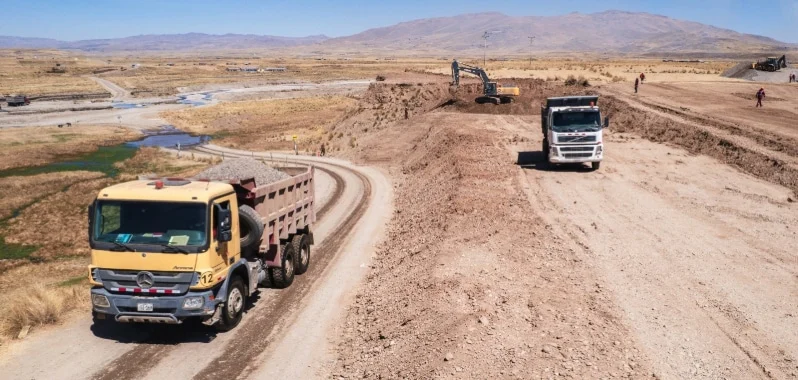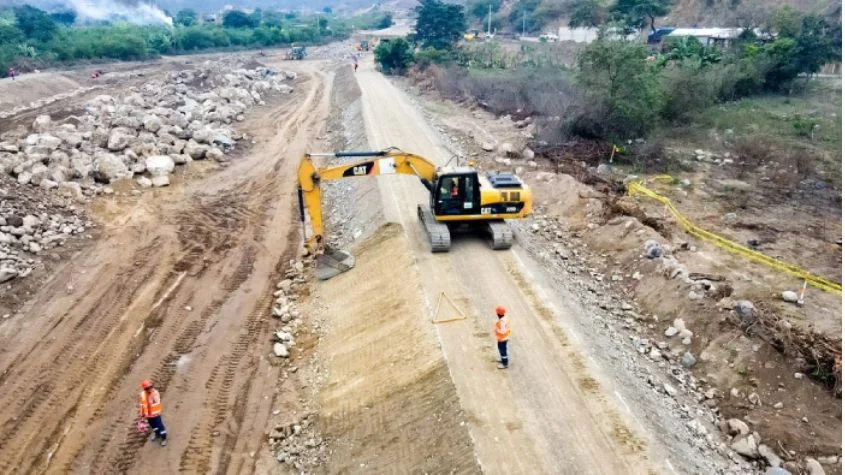
The landscape of public infrastructure in Peru is undergoing a profound transformation. As of August 2026, the "Obras por Impuestos" (OxI) mechanism—a cornerstone of the nation’s public-private partnership strategy—has reached unprecedented levels of activity. Administered by the Private Investment Promotion Agency (PROINVERSIÓN) under the Ministry of Economy and Finance (MEF), this initiative has emerged as a vital engine for closing the country’s infrastructure gap, demonstrating that the synergy between state management and private sector capital can deliver tangible results for millions of citizens.
Executive Summary: A Record-Breaking Year
The period between January and August 2026 has been marked by a surge in investment, with 594 interventions officially awarded, representing a total commitment of S/ 7,737 million. This figure not only highlights the resilience of the Peruvian economy but also underscores the growing trust that both regional and local governments—as well as private enterprises—place in the OxI framework.
The mechanism, which allows private companies to finance and execute public works in exchange for tax credits, has evolved into an agile alternative to traditional public procurement. By decentralizing the execution of projects, OxI ensures that resources are directed toward the most pressing needs of the population, ranging from sanitation and education to critical road connectivity.
A Chronology of Growth: From Inception to 2026
To understand the current momentum, one must look at the historical trajectory of the mechanism since its inception in 2009. For over a decade, Obras por Impuestos was viewed as a supplementary tool; however, the strategic reforms implemented over the last two years have shifted its status to a primary driver of development.

- 2009–2015: The Experimental Phase. During these years, the mechanism was primarily utilized by large mining and energy firms to develop basic infrastructure in their areas of influence.
- 2016–2022: Scaling and Diversification. The mechanism expanded to include more social sectors, including health and education, though adoption rates remained uneven across regional governments.
- 2023–2025: Regulatory Modernization. Recognizing the need for speed, the government began drafting a more robust regulatory framework to simplify bureaucratic hurdles.
- 2026: The Year of Acceleration. With the implementation of the new Regulation of Law No. 29230 in March 2026, the process became significantly more efficient. The results have been immediate: 594 projects awarded in just the first eight months of the year, signaling a historic high in public-private collaboration.
Supporting Data: By the Numbers
The quantitative impact of the OxI mechanism in 2026 is profound. In the month of August alone, the system processed 165 new interventions valued at S/ 1,360 million. This monthly performance indicates that the "bottleneck" effect, which previously hindered many public projects, has been substantially mitigated.
Since the program began in 2009, the aggregate data provides a compelling narrative of long-term success:
- Total Interventions: 1,665 projects.
- Total Investment: Over S/ 24,742 million.
- Direct Beneficiaries: Approximately 29 million Peruvians have seen improvements in their local infrastructure.
- Market Expansion: Between January and August 2026, 181 new public entities and 242 new private companies joined the mechanism. This influx of participants is crucial, as it broadens the scope of investment beyond traditional sectors, incorporating more diverse industries and geographic regions.
Official Perspective: Strengthening Institutional Trust
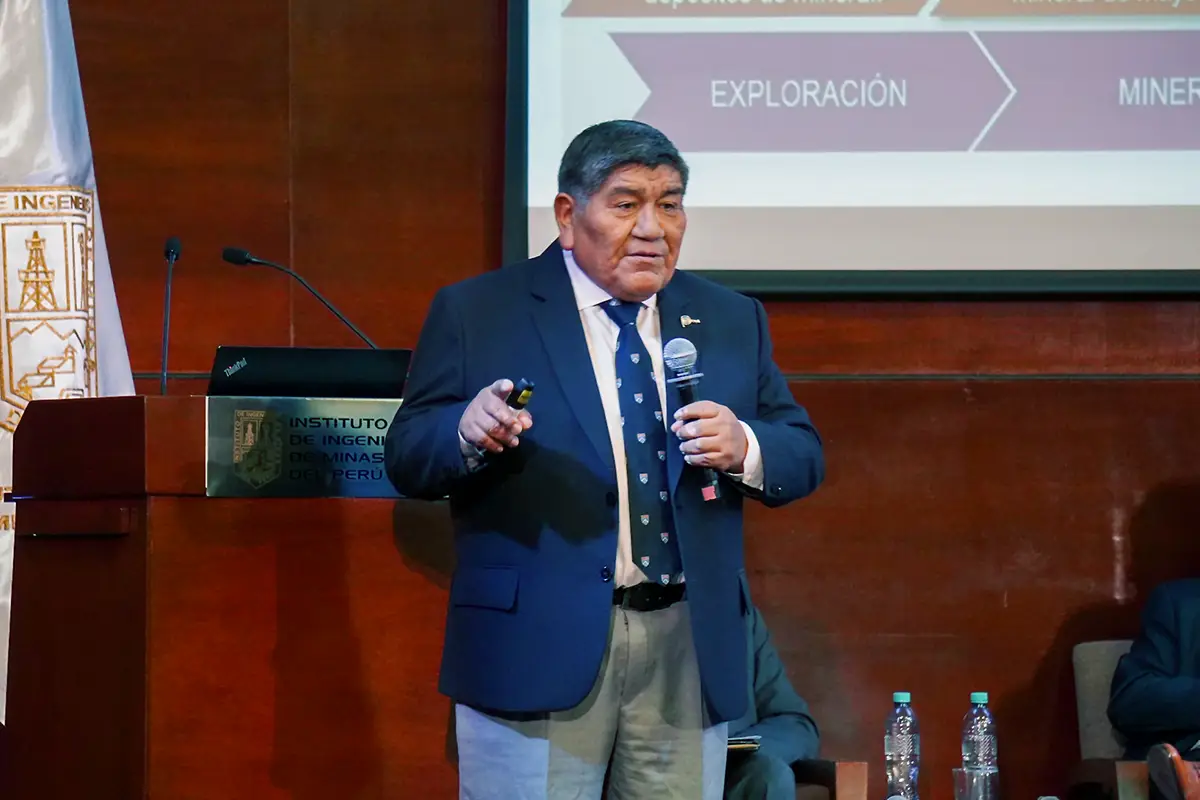
Luis Del Carpio, Executive President of PROINVERSIÓN, has been a key advocate for this surge in activity. During recent statements, he emphasized that the success of 2026 is not merely a statistical fluke but the result of a deliberate strategy to bring the state closer to the needs of the citizen.
"Our fundamental objective is to ensure that investment reaches people faster, effectively bridging the social and infrastructure gaps that have persisted for decades," Del Carpio stated. He noted that the new regulations under Law No. 29230 have allowed PROINVERSIÓN to play a more proactive role in the accompaniment and monitoring of project phases. By providing technical assistance and reducing the complexity of the bidding process, the agency has effectively removed the fear of administrative error that once plagued local officials.

The transition toward a more collaborative environment is visible in the recent successful completion of infrastructure projects, such as the Sara Sara bridge in Cusco. This project serves as a microcosm of the wider success of OxI, directly strengthening the connectivity of nearly 9,000 residents and facilitating local commerce that was previously isolated by geography.
Implications for Future Governance
The success of the Obras por Impuestos mechanism in 2026 carries significant implications for the future of governance in Peru. As the country prepares for upcoming administrative cycles, the focus has shifted toward capacity building and institutional continuity.
The Role of New Leadership
PROINVERSIÓN has announced a series of workshops and high-level information sessions scheduled for the end of 2026. These initiatives are specifically designed for newly elected regional and municipal authorities. The goal is clear: to ensure that incoming administrations are fully equipped to leverage OxI from the first day of their term. By providing technical training to the incoming teams, the government aims to prevent the "start-stop" cycle of project development that has historically plagued regional investments.
Broadening the Scope of Public-Private Partnership
The inclusion of 242 new private companies in 2026 suggests that the corporate sector is increasingly viewing infrastructure investment as a pillar of their Corporate Social Responsibility (CSR) and long-term sustainability strategies. When companies see that their contributions result in measurable social impact—such as new schools, hospitals, or road networks—their commitment to the region deepens. This creates a virtuous cycle where private sector capital becomes a reliable, long-term partner in national development.

Challenges and Future Outlook
Despite the success, the challenge remains in maintaining this pace. The integration of 181 new public entities brings with it the need for rigorous oversight. As the volume of projects increases, the capacity of PROINVERSIÓN to provide technical monitoring will be tested. Furthermore, the sustainability of these projects depends heavily on the maintenance strategies established by local governments once the construction phase is finalized.
The 2026 performance of Obras por Impuestos stands as a testament to the power of legislative reform and institutional commitment. By transforming the tax contribution process into a tangible construction tool, Peru has not only accelerated its infrastructure growth but has also empowered local and regional governments to take ownership of their development.
As we look toward 2027, the focus will undoubtedly remain on consolidating these gains. If the current momentum continues, the OxI mechanism will likely set even higher benchmarks, proving that when the state and the private sector align their goals, the primary beneficiary is, and should always be, the citizen. The path forward is defined by transparency, technical rigor, and a shared vision for a more connected and prosperous Peru.