In a significant announcement for the domestic and commercial sectors of the Peruvian economy, the Organismo Supervisor de la Inversión en Energía y Minería (Osinergmin) has confirmed that electricity tariffs for users connected to the National Interconnected Electric System (SEIN) will remain unchanged throughout the month of September. This decision, effective from September 4, 2026, offers a period of predictability for households and businesses that rely on the primary power grid, contrasting with the adjustments mandated for isolated regions.
Main Facts: Stability for the Majority
The regulatory body’s latest assessment indicates that the costs associated with electricity generation, transmission, and distribution—the three pillars that constitute the final bill paid by consumers—have not warranted a price shift for the vast majority of the population.
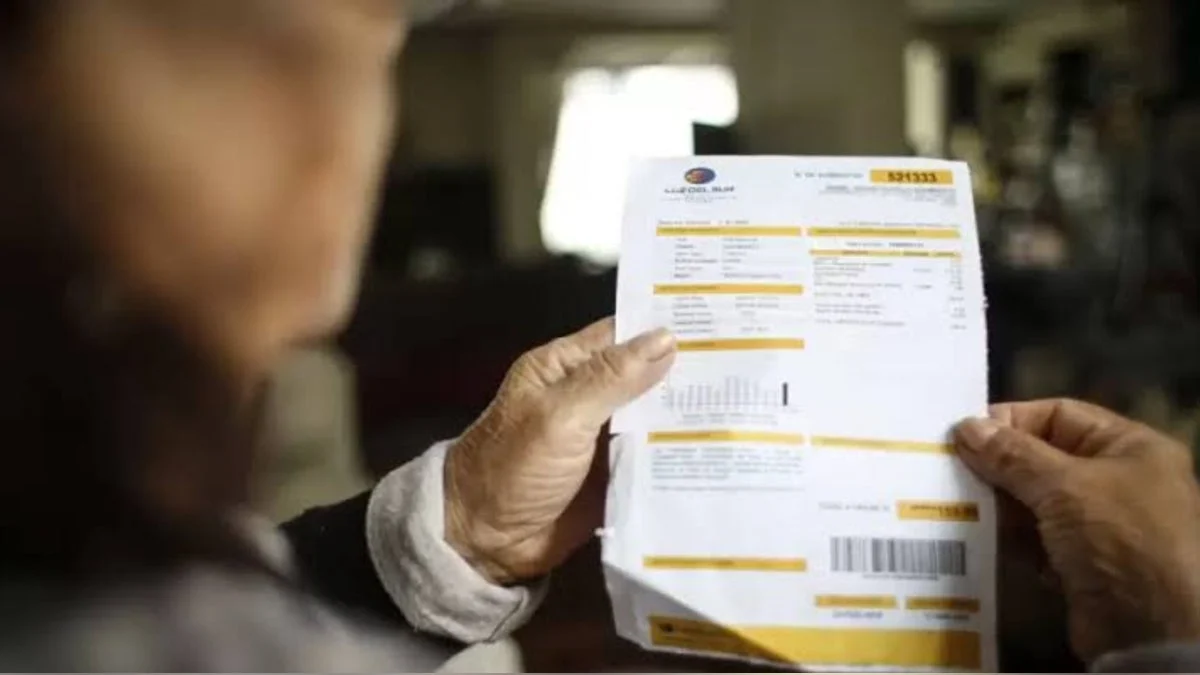
Under the current regulatory framework, Osinergmin performs a monthly review to ensure that tariffs accurately reflect the efficient costs of providing electrical service. For September, the analysis concluded that the economic variables governing the SEIN—the backbone of Peru’s energy infrastructure—have remained sufficiently stable to maintain the rates established in August. Consequently, millions of residential and commercial users across the nation will see no fluctuation in their monthly electricity invoices.
Chronology of Regulatory Oversight
The stability of electricity tariffs is not an arbitrary decision but the result of a rigorous, systematic process mandated by law. To understand the context of the September announcement, one must look at the established cadence of these evaluations:
- Pre-Monthly Assessment: Each month, Osinergmin’s technical teams aggregate data regarding inflation indices, fuel prices, and supply contracts.
- The August Baseline: Following the July review, rates for August were set based on the then-current projections of the Wholesale Price Index (IPM) and international commodity trends.
- The September Review Cycle: As the calendar turned to September, the regulatory board convened to process the data from the preceding 30 days.
- The Announcement (September 4, 2026): Osinergmin officially communicated the decision to freeze rates for the SEIN, providing immediate clarity to the market.
- The Implementation Phase: As of today, utility companies are prohibited from altering their billing structures for SEIN-connected users, ensuring that the regulatory decision is translated into tangible consumer savings.
Supporting Data: Why Some Regions Face Increases
While the SEIN remains stable, Osinergmin has clarified that the situation is distinct for users residing in "Sistemas Eléctricos Aislados" (Isolated Electric Systems). These systems, which provide power to remote, rural, or geographically disconnected regions of the country, do not benefit from the scale and efficiency of the national grid.
In these isolated areas, users will experience a moderate increase in their bills. Specifically:
- Residential Users: An average adjustment of 0.84%.
- Commercial and Industrial Users: An average adjustment of 1.09%.
These adjustments are primarily driven by the "Precios en Barra Efectivos" (Effective Bar Prices) formulas. These formulas are sensitive to localized cost pressures that do not necessarily impact the national grid in the same way. The primary catalysts for this increase include:
- Fuel Price Volatility: Many isolated systems rely on diesel generators. As international diesel prices fluctuate, the cost of generating electricity in these remote locations increases proportionally.
- Logistical Costs: The transport of fuel to remote locations is a major component of the operating cost for these systems, which has seen upward pressure due to inflation in transport services.
- Wholesale Price Index (IPM): The broader economic environment, reflected in the IPM, continues to place pressure on operational and maintenance costs for smaller, less efficient systems.
Official Responses and Regulatory Logic
The mandate of Osinergmin is to balance the interests of energy providers with the affordability of electricity for the public. By ensuring that tariffs reflect "efficient costs," the regulator prevents companies from passing on the costs of poor management to consumers, while simultaneously ensuring that the energy sector remains attractive for private investment.
In a recent briefing, an Osinergmin spokesperson emphasized the complexity of the tariff determination process: "Our objective is to provide transparency. The electricity tariff is not a static number; it is a dynamic figure that reacts to the global and domestic economy. When we announce a freeze for the SEIN, it is because our technical models indicate that the variables have reached a state of equilibrium. When we announce increases for isolated systems, it is because the cost of fuel and logistical maintenance in those areas has objectively risen, and we must ensure the continued provision of service."
The regulator’s methodology incorporates a basket of variables to reach these conclusions:
- International Commodity Prices: Fluctuations in the global price of copper and aluminum impact the cost of maintaining grid infrastructure.
- Natural Gas Trends: As a significant portion of Peru’s power generation is linked to natural gas, its price is a primary driver of the generation cost component.
- Contractual Obligations: The long-term supply contracts signed between generators and distributors act as a stabilizer, preventing sudden price spikes that would otherwise occur if the market were purely based on daily spot prices.
Implications for the Peruvian Economy
The stability of electricity prices for the majority of the country is a key factor in curbing inflationary pressure. Electricity is a fundamental input for almost every sector of the economy, from retail and hospitality to manufacturing and agriculture.
1. Impact on Household Budgets
For the average Peruvian household, electricity is a non-negotiable expense. A price freeze during September provides a sense of financial relief, allowing families to allocate their budget toward other essentials such as food and transport. In an economic climate where other goods may be subject to inflationary volatility, the predictable nature of the electric bill is a vital stabilizing force.
2. Industrial Competitiveness
For the industrial sector, energy costs are often a significant percentage of the total operating expenditure. When Osinergmin keeps rates steady, businesses can engage in more accurate long-term financial planning. This predictability is essential for capital investment, as it reduces the risk associated with fluctuating production costs.
3. The Challenge of Rural Energy
The contrast between the SEIN and the isolated systems highlights an ongoing challenge in Peru’s development: the energy divide. While the SEIN continues to benefit from modernization and economies of scale, remote areas remain vulnerable to the volatility of fossil fuel prices. The government and Osinergmin face the long-term challenge of expanding the national grid to these isolated pockets, not only to ensure lower prices for residents but to reduce the carbon footprint associated with diesel-based generation in remote regions.
Conclusion
The announcement by Osinergmin confirms that for the month of September 2026, the Peruvian energy market will maintain a posture of stability for its most populated regions. While the isolated systems face necessary adjustments due to the realities of fuel prices and logistics, the vast majority of consumers remain insulated from rate hikes.
This regulatory balance underscores the importance of the technical oversight provided by Osinergmin. By constantly monitoring a complex web of economic indicators—from the price of natural gas to the cost of industrial metals—the agency ensures that the electricity sector remains robust. For the average Peruvian, the message for September is clear: the energy that powers their homes and businesses will remain at a steady, predictable cost, providing a much-needed foundation of stability in an otherwise dynamic and evolving economy. As the year progresses, both the government and private stakeholders will continue to watch global energy markets, knowing that any shifts in those indices will eventually be reflected in the systematic, monthly reviews that define the country’s energy future.