Executive Summary: A Pivotal Moment for Peru’s Labor Market
In a decisive move to safeguard the Peruvian labor market against the looming threat of an extraordinary Coastal El Niño, the Ministry of Labor and Employment Promotion (MTPE) has announced a high-level emergency session of the National Council for Labor and Employment Promotion (CNTPE). Scheduled for this Thursday, September 3, the session represents a critical juncture for the administration, as it seeks to reconcile urgent climate adaptation strategies with long-term economic policy adjustments, including the highly anticipated debate on the national minimum wage.
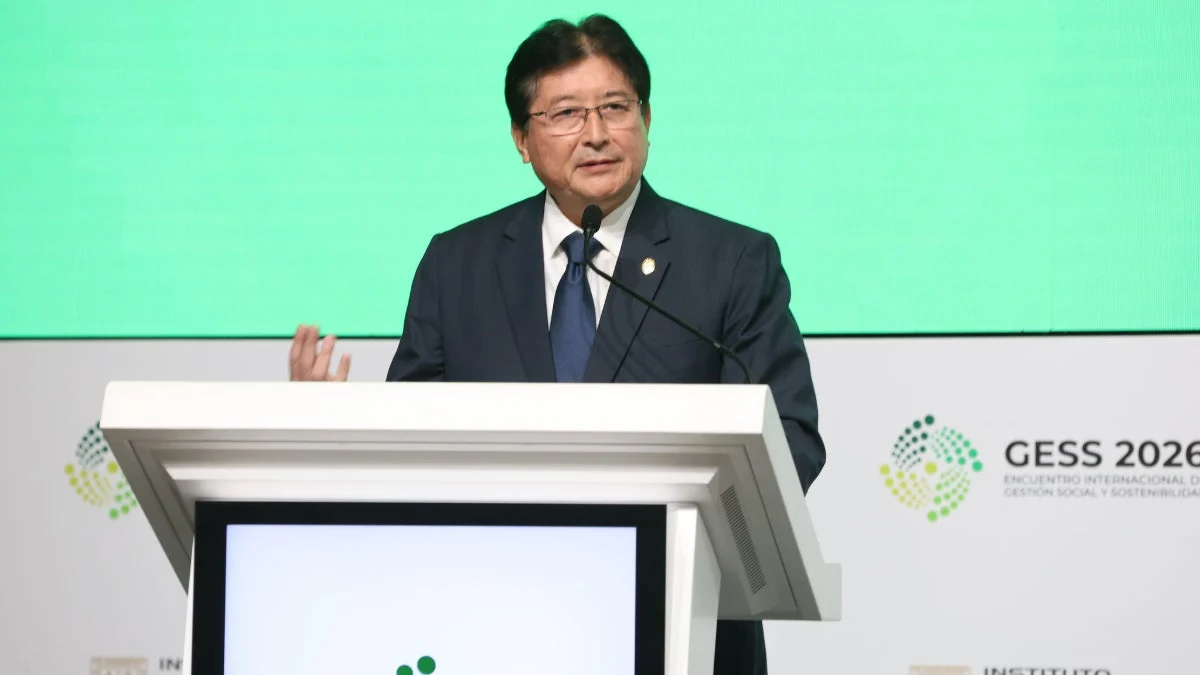
The meeting marks the formal reactivation of the tripartite dialogue mechanism—bringing together the State, trade unions, and the private sector—to navigate a period defined by climatic uncertainty and economic pressure. Minister of Labor Juan Sheput has emphasized that the administration’s strategy is rooted in "preventative resilience," moving away from reactive policies to proactive measures designed to shield both the formal workforce and the income stability of vulnerable households.
The Threat: Anticipating the Impact of the Coastal El Niño
The meteorological forecast for the coming months suggests an increased probability of an extraordinary Coastal El Niño phenomenon. For the Peruvian economy, which is heavily reliant on agriculture, fisheries, and regional logistics, the potential for widespread disruption is significant.
Understanding the Economic Vulnerability
The MTPE’s primary concern is that the inevitable torrential rains and subsequent infrastructural damage could lead to mass layoffs or prolonged business closures. Historically, such climate events have disproportionately affected informal sectors and micro-enterprises, which lack the capital reserves to weather months of inactivity.
Minister Sheput stated, "We cannot afford to wait for the rains to paralyze our productive activities or devastate our workplaces before we react. Our objective is to identify the most exposed regions and economic sectors now, allowing us to deploy resources that maintain employment continuity and facilitate the rapid recovery of local businesses."
Chronology: The Road to the CNTPE Extraordinary Session
The reactivation of the CNTPE is not merely a bureaucratic formality but a strategic response to the confluence of multiple national challenges.
- July 28: President Keiko Fujimori, in her inaugural national address, highlighted the necessity of reviewing the minimum wage as part of a broader social-economic reform agenda.
- August 15: The MTPE began drafting internal reports on the potential impact of El Niño on labor indicators, identifying high-risk regions in the northern coast of Peru.
- August 25: Initial outreach to major industrial gremios (trade associations) and union confederations was conducted to set the agenda for the upcoming extraordinary session.
- September 3 (Today): The official Extraordinary Session N.° 49 of the CNTPE convenes at the MTPE headquarters at 9:00 a.m.
Proposed Strategies: Mitigation and Job Protection
The government’s strategy to counter the effects of the climate crisis rests on two pillars: institutional coordination and the mobilization of social programs.
Leveraging the ‘Llamkasun Perú’ Program
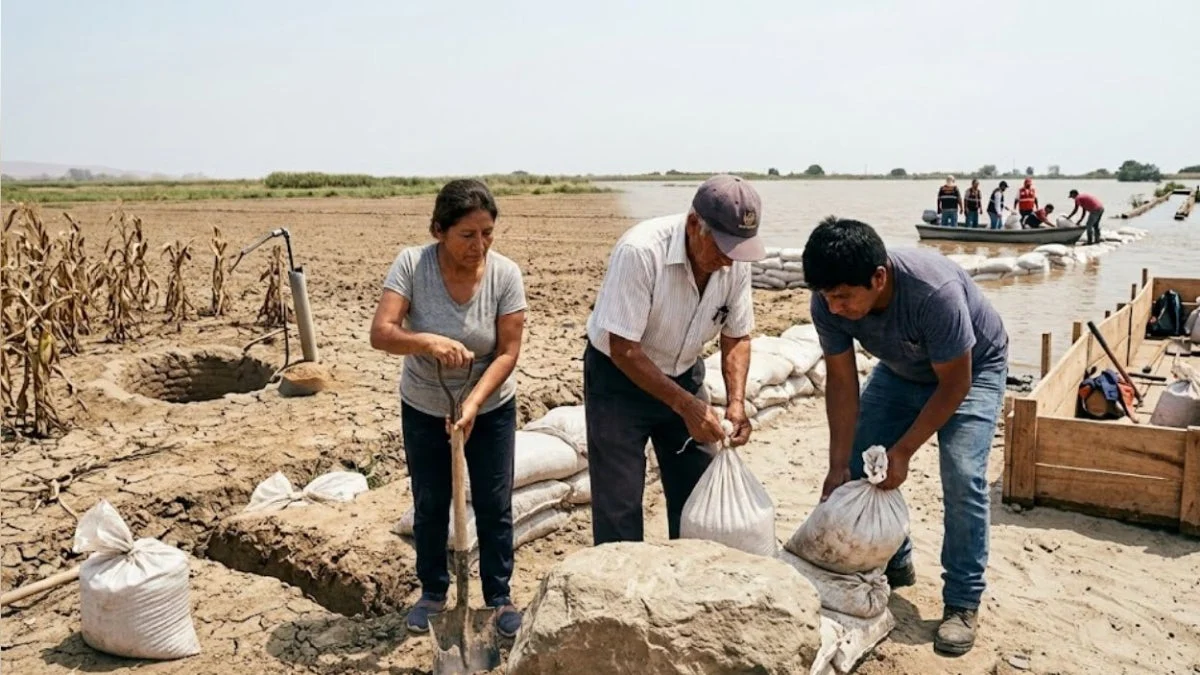
Central to the ministry’s proposal is the expansion of the "Llamkasun Perú" program. This initiative, designed to generate temporary employment through public works, will be redirected to focus on preventative infrastructure—such as clearing drainage systems, reinforcing riverbanks, and strengthening road networks in high-risk areas.
By creating these jobs, the government aims to achieve a dual impact:
- Risk Reduction: Physical preparation of infrastructure to mitigate flood damage.
- Economic Stabilization: Providing immediate, legal income to families who might otherwise lose their livelihoods to the storm.
Regional and Municipal Coordination
The MTPE plans to establish a permanent communication channel with regional and municipal governors. The goal is to create a localized mapping of businesses and employment hubs to ensure that, in the event of an emergency, aid—including tax deferrals or subsidized short-term employment contracts—can be deployed with precision rather than through a blanket, inefficient national response.
The Minimum Wage Debate: Balancing Growth and Equity
Parallel to the climate discussions, the CNTPE will initiate a formal dialogue on the increase of the minimum wage. This issue remains one of the most polarizing topics in the Peruvian economic discourse.
The Government’s Stance
The administration seeks a balance that addresses the rising cost of living for workers while remaining cognizant of the risks of accelerating inflation or discouraging formalization. The dialogue will involve granular analysis of sector-specific productivity to ensure that any mandated wage hikes do not inadvertently trigger a surge in informal employment.
Stakeholder Perspectives
- Labor Unions (CGTP, CUT, CTP, CATP): These groups argue that the purchasing power of the average worker has been significantly eroded by recent economic volatility and that an adjustment is essential for social peace.
- Private Sector (CONFIEP, SNI, CCL, ADEX): Representatives from the industrial and export sectors maintain that any wage increase must be tied to productivity gains and that the current economic climate—threatened by El Niño—makes this a particularly delicate time for added payroll costs.
The Future of Work: Technology and Artificial Intelligence
In an forward-looking agenda item, the CNTPE will also tackle the seismic shifts caused by the integration of Artificial Intelligence (AI) and automation in the Peruvian labor market.
Bridging the Skills Gap
The dialogue will address the urgency of "reskilling" the workforce. As traditional industries transition toward digital workflows, the ministry is advocating for a national framework for vocational training. This framework aims to prepare workers for a competitive landscape where human-AI collaboration is increasingly standard.
The discussion will cover:
- Developing curricula that focus on technical and soft skills that are resistant to automation.
- Incentives for businesses that invest in the digital training of their employees.
- Maintaining national competitiveness in the global market by leveraging technological adoption rather than fearing it.
Implications: Building a Resilient Labor Architecture
The significance of this Thursday’s meeting cannot be overstated. By bringing together the International Labor Organization (OIT), the Superintendency of Labor Inspection (Sunafil), and representatives from the mining, fishing, and hydrocarbon sectors, the government is attempting to build a "social pact" for resilience.
Moving Beyond Discussion
The MTPE has expressed a clear desire for this council to evolve. For years, the CNTPE has been viewed as a platform for deliberation, often failing to yield binding or concrete results. The current leadership is pushing for a shift: transitioning from a consultative body to an executive-style forum where commitments made by the State, employers, and unions are tracked, measured, and held accountable.
The Road Ahead
As the session unfolds, the eyes of the nation will be on how these disparate groups navigate the competing interests of immediate climate protection and long-term economic sustainability. If successful, the policies established in this session could serve as a model for how developing nations can utilize tripartite social dialogue to manage the existential threats of the 21st century.
Whether the result is a national emergency employment fund, a staggered minimum wage increase, or a new digital-labor strategy, the outcome of the September 3 meeting will likely dictate the tone of the administration’s labor policy for the remainder of the year.
Concluding Remarks
The convergence of a potential climate disaster and the necessity for economic reform presents a unique challenge to the Peruvian government. By addressing both the immediate need for protective infrastructure and the long-term need for wage and technological adaptation, the Ministry of Labor is attempting to construct a safety net that is as robust as it is flexible. As the council convenes, the overarching goal remains clear: to ensure that the Peruvian worker remains the central focus of the nation’s economic and environmental strategy.