Executive Summary: A Significant Leap for Regional Healthcare
In a major development for the health infrastructure of the San Martín region, the construction of the new Soritor Health Center in the province of Moyobamba has officially surpassed initial expectations. During its inaugural month of operations, the project achieved a physical progress rate of 9.60%, exceeding the original project schedule by 6.98 percentage points.
This critical infrastructure initiative, managed under the auspices of the National Program for Health Investments (Pronis) of the Ministry of Health (Minsa), represents a vital investment of S/ 53.7 million. The project aims to modernize the healthcare landscape in Moyobamba, providing a state-of-the-art facility designed to meet the growing medical demands of the population. With 16 distinct modules and a total roofed area of nearly 3,000 square meters, the center is poised to become a benchmark for regional medical services.
The Core Project: Specifications and Scope
The Soritor Health Center is not merely a building; it is a comprehensive medical hub designed to bridge the gap in healthcare accessibility in San Martín. The facility is categorized as a Level I-4 establishment, which grants it the capability to handle a diverse range of primary and urgent medical services.
Technical Breakdown
- Total Investment: S/ 53.7 million (updated).
- Scale: 16 independent construction modules.
- Infrastructure: 2,984 square meters of total roofed area.
- Equipment: Procurement and installation of 2,095 units of medical, administrative, and clinical equipment.
The facility’s design prioritizes a logical flow of patient care, integrating departments such as outpatient services, diagnostic imaging, a pharmacy, an emergency and urgent care wing, maternal and obstetric care, and internments. By incorporating modern biomedical, information technology, and electromechanical systems, the center will ensure that medical professionals have the tools necessary to provide high-standard care in an underserved region.
Chronology of Construction: Rapid Deployment
The rapid pace of the first month of construction has been attributed to a synchronized strategy, where multiple construction fronts are being addressed simultaneously.
Month One Milestones
The project’s progress is defined by the following technical achievements:

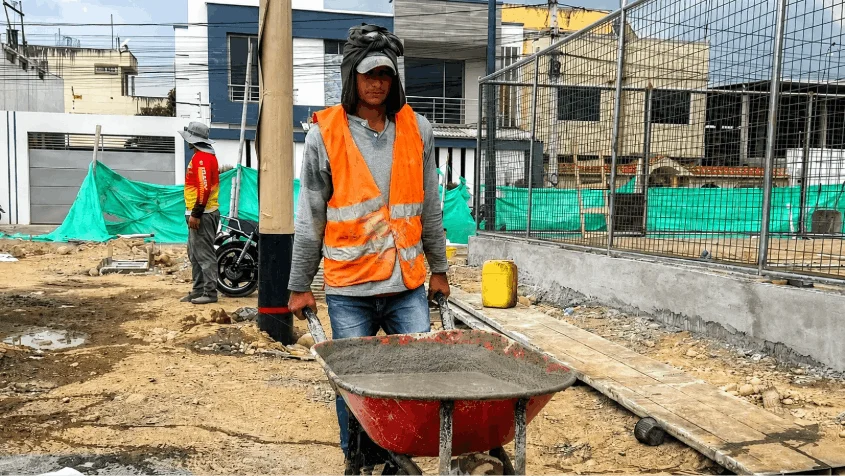
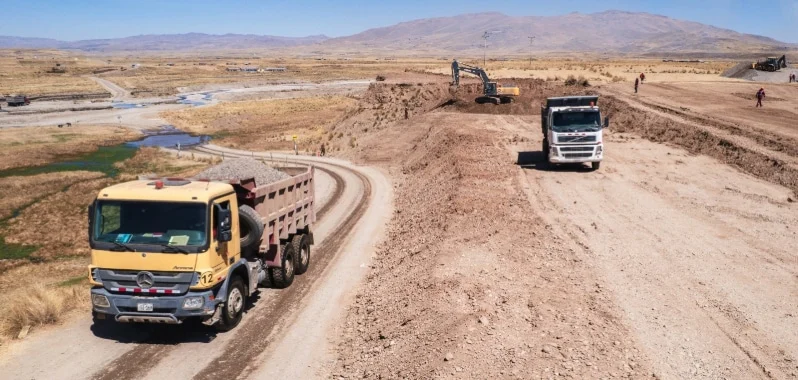
- Preparation Phase: The initial weeks focused heavily on land leveling, site clearing, and rigorous topographic replanting to ensure the structural integrity of the foundation.
- Foundational Works: The team successfully executed deep excavations for trenches, prepared the solados (concrete blinding), and laid the ground for the structural foundation.
- Structural Assembly: Laborers moved rapidly into steel installation and column casting.
- Modular Development:
- Module A: Completion of core foundation stages and commencement of column encasement.
- Module B: Completion of excavations, solados, and foundation beams.
- Remaining Modules: Currently in the phase of steel placement and preparation for vertical structural assembly.
This accelerated timeline is a positive indicator of the project’s management efficiency and the availability of resources, setting a high standard for subsequent construction phases.
Supporting Data: Why This Facility Matters
The province of Moyobamba has long faced challenges regarding healthcare accessibility. The investment of S/ 53.7 million is part of a broader national effort to decentralize health services and reduce the burden on tertiary hospitals in larger urban centers.
The Role of Procurement
A significant portion of the project’s complexity lies in the acquisition and integration of 2,095 specialized equipment units. This includes:
- Biomedical Equipment: Essential for diagnostics and life support.
- Informatics Systems: Designed to digitize medical records and streamline administrative processes.
- Electromechanical Systems: Ensuring the facility meets modern energy and safety standards.
- Clinical Furniture: Tailored for ergonomic and hygienic patient interaction.
By ensuring these assets are modern and fully functional upon completion, Pronis aims to avoid the common pitfall of "white elephant" projects—facilities that are built but lack the necessary equipment to function effectively.
Official Oversight: The Role of Pronis and the Ministry of Health
The National Program for Health Investments (Pronis) serves as the primary governing and oversight body for this project. Their role is multi-faceted, involving not just funding management, but rigorous technical supervision.
Ensuring Quality and Compliance
Pronis engineers and inspectors are tasked with monitoring the project on a daily basis to ensure that every cubic meter of concrete and every structural beam adheres to national safety codes and the specific technical requirements for healthcare architecture. This supervision is critical in the context of San Martín’s geography, where climate and soil conditions necessitate precise engineering.

Furthermore, the collaboration between Pronis and the Ministry of Health ensures that the facility’s operational plan aligns with national health policies. This involves verifying that the architectural design supports the specific health programs mandated for Level I-4 centers, such as maternal-child health initiatives and infectious disease management.
Implications for the Community and Region
The completion of the Soritor Health Center will have profound socio-economic implications for the province of Moyobamba.
Strengthening Regional Resilience
Healthcare infrastructure acts as a backbone for economic stability. When a population has access to reliable, local health services, the workforce is healthier, and the risk of catastrophic personal financial loss due to medical emergencies is reduced.
A Catalyst for Development
- Improved Maternal Health: With dedicated facilities for expectant mothers, the center aims to reduce regional infant and maternal mortality rates, a key indicator of regional development.
- Diagnostic Capability: By providing local access to imaging and laboratory services, the community will no longer need to travel to larger, distant cities for basic diagnostic tests, saving time and money.
- Emergency Response: The dedicated urgent and emergency care modules will significantly improve response times for local incidents, a crucial factor for rural and semi-rural areas.
Challenges and Future Outlook
While the project has started with impressive momentum, the construction sector in Peru remains subject to various external factors, including supply chain fluctuations, meteorological conditions in the San Martín region, and the complexities of managing logistics in decentralized areas.
However, the fact that the project is currently tracking ahead of schedule provides a "cushion" for potential delays. The focus now shifts from foundations to the vertical structure and eventually the complex task of installing medical infrastructure and interior systems.
Sustaining the Pace
To maintain this momentum, stakeholders must ensure:

- Financial Continuity: Consistent budget releases to maintain the current pace of work.
- Logistics Management: Timely delivery of construction materials and specialized medical equipment.
- Labor Stability: Continued focus on safety and fair labor practices for the workforce on-site.
Conclusion
The Soritor Health Center is a testament to the potential for effective public infrastructure management in Peru. By surpassing initial construction targets, the project has signaled to the people of Moyobamba that their health needs are being prioritized with urgency and precision.
As the structure begins to rise from its foundations, it represents more than just steel and mortar; it symbolizes a commitment to equitable healthcare. When completed, this facility will serve as a lighthouse for the region, proving that targeted investment and rigorous technical oversight can successfully transform the quality of life for thousands of citizens.
The coming months will be decisive as the project moves into the vertical construction phase. Should the current pace hold, the residents of Soritor may see their new health center operational sooner than originally anticipated, marking a new chapter in the province’s medical history.
Disclaimer: This report is based on current project data and progress reports as of September 2026. For real-time updates and procurement opportunities related to the Soritor Health Center and other Pronis initiatives, stakeholders are encouraged to monitor official Ministry of Health communications.