By Editorial Staff
With exactly one month remaining until the 2026 regional and municipal elections, the National Registry of Identification and Civil Status (Reniec) has sounded a clarion call regarding the integrity and precision of the electoral roll. As the nation prepares to elect new governors and mayors, the electoral authority has identified over 450,000 "observations" within the registry, sparking a nationwide conversation about administrative efficiency, civic duty, and the logistical challenges of managing a democratic process of this magnitude.
Main Facts: The State of the Electoral Roll
The 2026 regional and municipal elections, scheduled for Sunday, October 4, represent a critical juncture for local governance across the country. However, the path to the ballot box has been complicated by the release of data from Reniec, which confirms that 450,100 entries in the electoral registry are currently marked with specific observations.
These observations do not necessarily imply fraud; rather, they signify discrepancies that could potentially hinder a citizen’s ability to vote or affect the accuracy of the final tally. The categories of these observations are diverse, ranging from newly eligible voters who have come of age, to technical issues such as outdated photographs, unrecorded deaths, and residential inconsistencies.
Reniec has moved quickly to address these concerns, emphasizing that the primary objective of disclosing this data is to ensure transparency and to allow citizens sufficient time to rectify their status before they head to the polls.
Chronology: A Race Against the Clock
The timeline leading to the current state of affairs began long before the present month. The integrity of the electoral roll is tied strictly to the "closing date" of the registry, which occurred on April 7, 2026. Any changes in status, residence, or vital statistics that occurred after this date could not be automatically incorporated into the primary electoral roll, leading to the current volume of observations.
- April 7, 2026: Official closure of the electoral roll. Data captured until this point serves as the definitive basis for the October 4 election.
- May–July 2026: Reniec conducted a massive audit of the registry, identifying discrepancies across various demographics.
- August 2026: The agency began synthesizing the data, categorizing the 450,100 observations to better communicate with the public.
- September 4, 2026 (Present Day): Exactly one month before the election, the findings are released to the public, launching a critical window for voter verification and rectification.
- October 4, 2026: Election Day.
Supporting Data: Breaking Down the 450,100 Observations
The breakdown of the 450,100 observations reveals a complex demographic puzzle. While the term "observation" might sound alarming, the largest segment of this group consists of young citizens who have finally come of age.
The Youth Surge
The most significant component of these entries is the inclusion of 302,498 young citizens. These individuals will turn 18 years old between the closing of the registry and the day of the election. This cohort is fully entitled to vote, and their inclusion represents a vital influx of new participants into the democratic process.
The "Yellow DNI" Problem
A point of concern for electoral officials is the 78,262 adult citizens who remain in the registry with photographs from when they were minors. These individuals were still carrying the "yellow DNI" (the identity card for minors) at the time the registry closed. This issue poses a significant hurdle for poll workers, who must verify the identity of voters; an outdated photo makes this verification process far more difficult and time-consuming.
Residential Discrepancies
Perhaps the most logistically challenging category involves the 57,661 citizens who have not updated their residential address. Because voting locations are strictly assigned based on the registered address, these citizens face the risk of being directed to polling stations that are far from their current homes, potentially resulting in voter disenfranchisement.
Vital Statistics and Longevity
The registry also contains sensitive data points that reflect the challenges of civil status maintenance:
- 100+ Year-Olds: 8,498 individuals are registered as being over 100 years of age, a figure that requires cross-referencing to ensure these individuals are still active members of the electorate.
- Unregistered Deaths: 3,181 cases involve individuals who are deceased but lack a registered death certificate. This often occurs when families fail to report the passing of a relative to the civil registry, keeping them erroneously on the active voting list.
Official Responses and Administrative Measures
Reniec has adopted a proactive, digital-first approach to mitigate the risks associated with these discrepancies. In an official statement, the agency underscored that the responsibility for a smooth electoral process is shared between the state and the citizenry.
To avoid confusion on election day, the agency has launched the digital platform: "Consultar Anotaciones y Actualizaciones por DNI." This tool is not just for the average voter; it is designed to be used by political party observers (personeros) and poll workers to ensure that the registry data matches the physical reality of the people appearing at the voting stations.
"Our goal is to eliminate uncertainty," stated a spokesperson for Reniec. "By providing this platform, we allow citizens to see exactly what the state sees. If a citizen realizes their address is wrong or that their photo is outdated, they are encouraged to initiate the necessary updates immediately, though they must understand that the official electoral roll for this cycle is governed by the April 7 cutoff."
Implications: The Impact on Democracy
The existence of nearly half a million observations in the electoral registry has profound implications for the 2026 elections.
Administrative Burden on Poll Workers
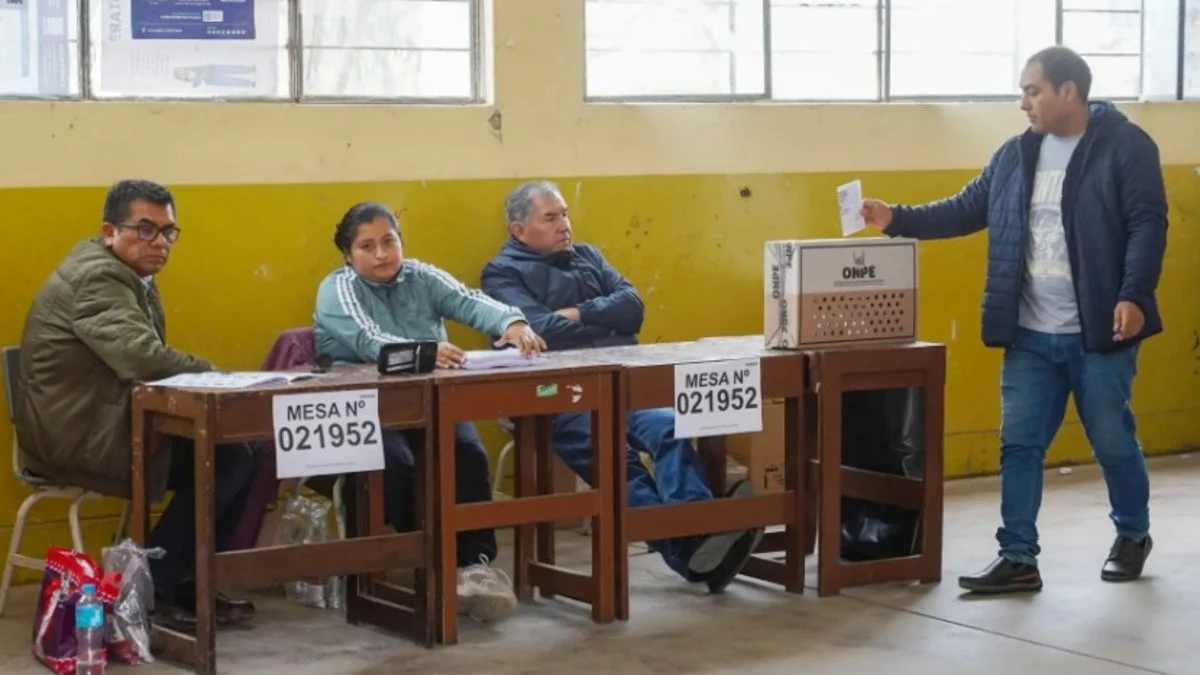
The primary concern is the increased burden on the members of the polling stations (miembros de mesa). When a voter arrives with a mismatch between their document and the registry—such as an outdated photo—the poll worker must exercise extra caution. This slows down the voting process, creates long lines, and increases the margin for human error.
The Risk of Disenfranchisement
The issue of residency is particularly sensitive. If a voter is registered in a distant province but has moved to a city for work or study, they are legally bound to vote where they are registered. Without the ability to update their polling location this late in the game, many of the 57,661 citizens with outdated addresses may find themselves unable to participate, effectively lowering voter turnout.
Transparency and Political Trust
For political parties and candidates, the integrity of the registry is the bedrock of legitimacy. If large numbers of voters are turned away or if there is confusion regarding the rolls, it provides fodder for claims of administrative incompetence or electoral interference. By being transparent about these 450,100 observations, Reniec is attempting to preemptively neutralize these narratives, demonstrating that the agency is aware of the discrepancies and is working to manage them.
A Call for Civic Engagement
Ultimately, the situation serves as a reminder of the importance of maintaining up-to-date civil documentation. The 2026 election will be a test of the resilience of the nation’s democratic infrastructure. While the system is robust, the volume of observations serves as a warning that digital modernization of civil registries must continue to be a national priority.
As the clock ticks down toward October 4, the focus shifts from the agencies to the citizens. The ability of the electorate to use the provided digital tools to check their status will be the final factor in determining how smoothly the country transitions into its next cycle of regional and municipal leadership. Voters are urged to check the official Reniec portal immediately to confirm their polling details, ensuring that their voice is heard in the upcoming democratic exercise.