The Peruvian government has officially unveiled its proposed National Budget for the 2027 Fiscal Year, a document that signals a fundamental shift in the nation’s economic trajectory. With a total expenditure ceiling set at S/ 266,506 million, the administration of the executive branch is positioning this financial plan as the cornerstone of its five-year mandate. The proposal, presented to the Plenary of the Congress of the Republic by Prime Minister Luis Galarreta and Minister of Economy and Finance Elmer Cuba, emphasizes a commitment to restoring economic dynamism, fortifying public safety, and addressing deep-seated social disparities.
The Core Mandate: A Multi-Sectoral Approach
The 2027 budget is more than a mere collection of figures; it is a policy manifesto. During the formal presentation at the legislative chamber, Prime Minister Galarreta defined the proposal as the "first budget of the quinquennium," intended to function as an inflection point for the country. The government’s narrative focuses on moving away from bureaucratic administration toward a results-based governance model, where every sol spent is tied to measurable improvements in the quality of life for the most vulnerable segments of the population.
The distribution of these resources is heavily weighted toward four pillars: infrastructure, security, health, and education. By prioritizing these sectors, the Executive aims to create a stable environment that encourages private sector investment while simultaneously providing the social infrastructure required to lift citizens out of poverty.
Chronology and Context: The Path to the 2027 Budget
The road to the 2027 budget proposal began with an extensive diagnostic phase led by the Ministry of Economy and Finance (MEF). Following the transition of the new administration, the Executive conducted a series of multi-sectoral audits to identify the most critical bottlenecks in the national economy.

- Q3 2026 (Assessment Phase): The administration prioritized an analysis of public spending efficiency, identifying that previous years were characterized by high budget allocations but low execution rates in critical sectors like infrastructure.
- Late Q3 2026 (Strategic Alignment): Meetings were held between cabinet ministers and regional governors to align the national agenda with local needs, ensuring that the 2027 budget would reflect regional priorities, particularly in rural connectivity.
- September 2026 (Formal Presentation): Prime Minister Luis Galarreta and Minister Elmer Cuba presented the legislative packages—covering the budget, financial equilibrium, and debt—to the Congress of the Republic, initiating the formal debate process.
- Q4 2026 (Legislative Debate): The proposal is currently under review by the Budget Commission of the Congress, where technical adjustments are being debated before the final vote expected in late December.
Strategic Allocation: Breaking Down the Numbers
The government’s proposal allocates funds with surgical precision, targeting sectors that act as multipliers for national productivity.
Infrastructure and Connectivity
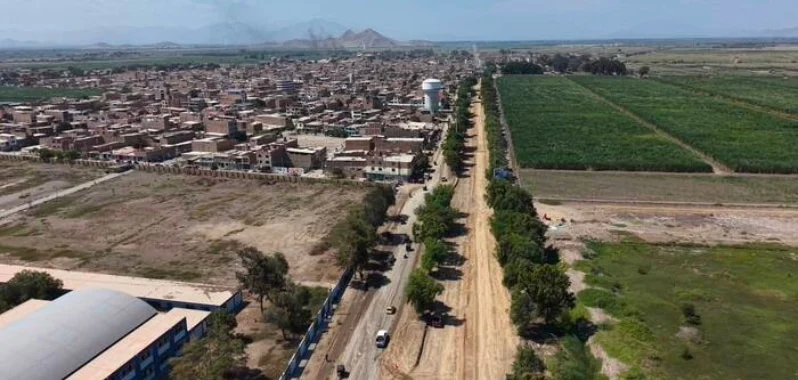
A landmark component of the proposal is the S/ 26,000 million allocation to the Ministry of Transportation and Communications. This investment is viewed as the backbone of the government’s plan to foster national integration. The focus is not merely on paving roads, but on creating an interconnected logistics network that lowers the cost of moving goods and services between the coast, the Andes, and the Amazon. By modernizing regional roads and highways, the government aims to facilitate access to markets for small-scale agricultural producers, thereby stimulating rural economies.
Security and Public Order
Perhaps the most urgent aspect of the 2027 proposal is the S/ 15,400 million earmarked for public order and security. In response to rising concerns over crime, the administration has committed to a complete strategic overhaul of the sector. The funds are directed toward:
- Enhanced Policing: Increasing the operational capacity of the National Police of Peru, specifically in urban centers with the highest crime indices.
- Intelligence-Led Policing: Shifting resources from purely reactive measures toward proactive investigation and the dismantling of criminal networks.
- Penitentiary Reform: Strengthening the management of the prison system to prevent criminal activity from being orchestrated from within detention facilities.
Education and Healthcare: The Human Capital Pillars
Recognizing that economic growth is unsustainable without a healthy and educated workforce, the government has allocated:

- Education (S/ 49,100 million): This significant investment targets both infrastructure—improving school facilities—and educational quality, including teacher training and the modernization of pedagogical tools.
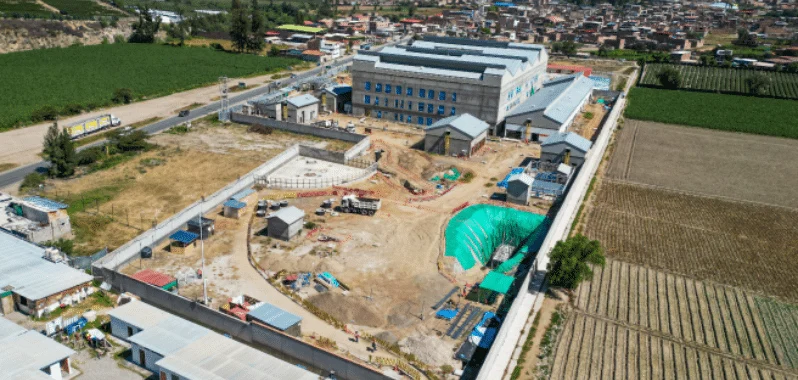
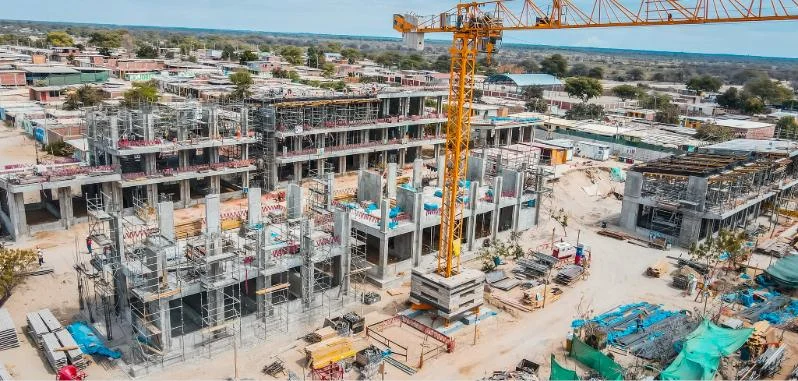
- Health (S/ 32,200 million): The budget for health is designed to expand coverage for the most vulnerable. This includes upgrading regional hospitals, expanding immunization programs, and addressing the backlog of specialized medical services that were neglected in previous years.
Official Responses and Political Implications
The presentation of the budget has generated a diverse range of responses from the political spectrum. Prime Minister Galarreta emphasized that the efficacy of this budget depends on a state that can execute. "We want to transition from a state that simply manages resources to one that delivers concrete results," he stated. This rhetoric is aimed at silencing critics who argue that previous Peruvian administrations suffered from an "execution gap," where budgeted funds remained unspent due to bureaucratic inertia.
Economists and analysts have noted that the emphasis on infrastructure and security is a direct response to the demands of the private sector. By investing in these areas, the state is effectively reducing the "country risk" and lowering the costs of doing business. However, the success of the 2027 budget will ultimately be measured by its implementation. The challenge for the administration lies in its ability to navigate the complex administrative processes that often impede the flow of public capital.
The Broader Implications: Toward a More Integrated Nation
The 2027 fiscal proposal arrives at a critical juncture for Peru. With global economic uncertainties impacting commodity prices, the government has opted for a counter-cyclical approach, using public spending to stimulate domestic demand.
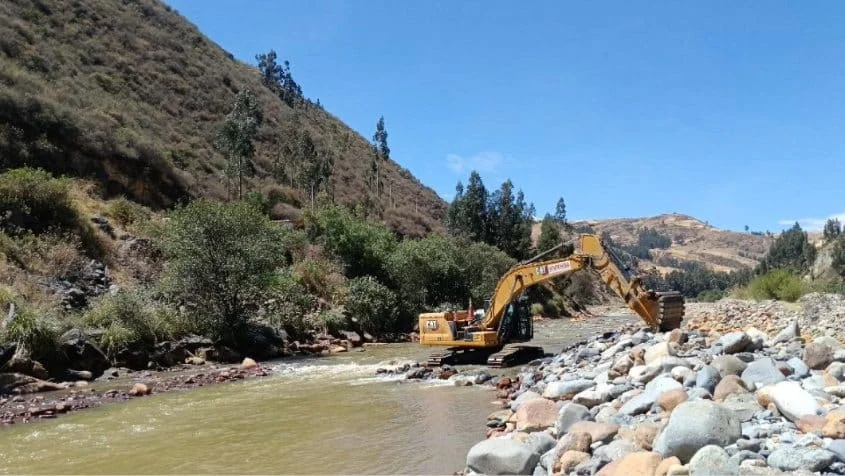
Furthermore, the emphasis on local governance is a notable shift. By providing regional and municipal authorities with the tools to resolve community-level issues, the Executive is attempting to decentralize the development process. The ongoing projects, such as the river desilting and maintenance works in regions like Ancash, serve as a microcosm of this strategy: localized interventions that prevent disaster, protect livelihoods, and demonstrate the state’s presence in remote areas.

Conclusion: A Test of Governance
The 2027 budget is an ambitious roadmap. Its success depends not only on the legislative approval of the S/ 266,506 million ceiling but on the government’s capacity to reform the mechanisms of public administration. As the Congress continues its deliberations, the focus remains on whether these figures will translate into the tangible improvements the Prime Minister promised.
If executed with the transparency and efficiency the current administration pledges, the 2027 budget could indeed serve as the inflection point for a new era of Peruvian growth. It represents a promise to the citizenry that the state can be a reliable partner in building a secure, healthy, and interconnected future. The eyes of the nation now turn to the legislative floor, where the destiny of these funds—and the prosperity they represent—will be determined.