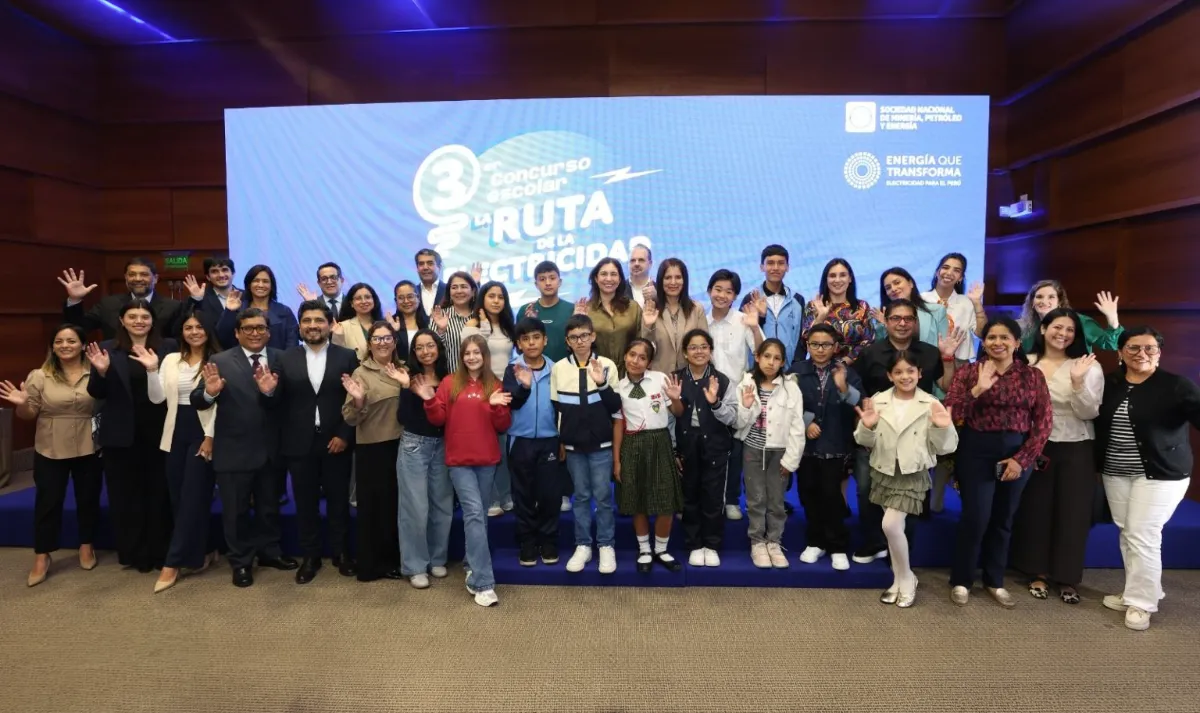
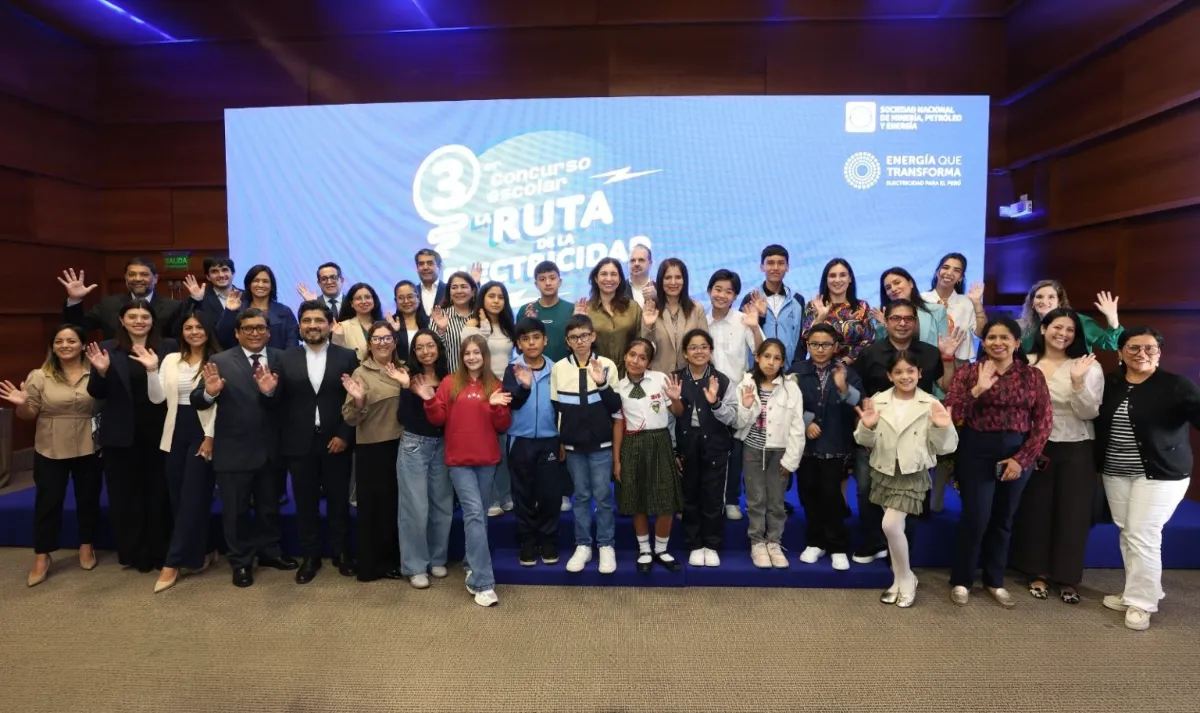
In an era where digital literacy and energy awareness are becoming cornerstones of sustainable development, the Sociedad Nacional de Minería, Petróleo y Energía (SNMPE) has successfully concluded the third edition of its nationwide educational initiative: "La Ruta de la Electricidad" (The Electricity Route). This creative contest, designed to bridge the gap between complex energy infrastructure and school-aged curiosity, recently honored 12 outstanding students from across Peru, showcasing the immense potential of the next generation to understand and communicate the vital role of energy in national progress.
Main Facts: Bridging Education and Energy
The initiative, which targeted students in primary and secondary schools, invited participants to craft short, innovative videos explaining the lifecycle of electricity—from its generation and transmission to its final distribution into Peruvian homes. By leveraging the digital fluency of today’s youth, the SNMPE aimed to simplify complex technical concepts into accessible, engaging narratives.
The winners, hailing from diverse regions including Lima, Amazonas, Lambayeque, La Libertad, and Ucayali, were selected from an impressive pool of over 360 entries submitted by students across 20 regions. The competition was divided into two distinct categories: the "Niños" category for 5th and 6th-grade primary students, and the "Jóvenes" category for 1st and 2nd-grade secondary students. The sheer volume of participation—with Arequipa leading the charge with 118 submissions—highlights a nationwide enthusiasm for energy-related education.
A Chronology of the Initiative
The road to the awards ceremony was a multi-stage process that emphasized quality, technical accuracy, and creative flair.
- Launch Phase: The SNMPE opened the call for entries, encouraging schools, teachers, and students to step into the role of "Energy Communicators."
- Submission Period: Over several months, students utilized digital platforms—most notably TikTok and YouTube—to film their explanations. These platforms were chosen not just for their popularity, but for their inherent capacity to distill information into bite-sized, visual formats.
- Evaluation Phase: A rigorous multi-disciplinary jury, comprising experts from the public and private sectors, academia, media, and scientific organizations, evaluated the entries. The panel scrutinized the videos for clarity, technical understanding, and creative engagement.
- Award and Experience Day: The competition culminated in a grand finale. Beyond the receipt of prizes—which included advanced laptops, tablets, professional headphones, and smartwatches—the winners were treated to a transformative educational field trip. They visited the Comité de Operación Económica del Sistema Interconectado Nacional (COES), the nerve center of Peru’s power grid, and participated in the "Guardianes de la Electricidad" interactive experience at "GO Enjoy," reinforcing their classroom learning with real-world exposure.
Supporting Data: Regional Engagement and Demographic Reach
The data gathered from this edition provides a clear picture of where energy education is gaining the most traction in Peru. While participation was national in scope, the regional distribution indicates specific pockets of high engagement:
- Arequipa: 118 projects submitted.
- Lima: 107 projects submitted.
- Piura: 23 projects submitted.
The remaining 112 projects originated from 17 other regions, underscoring that the reach of the "Electricity Route" is truly pan-Peruvian. The high engagement from Arequipa and Lima suggests that urban and regional educational hubs are increasingly integrating STEM (Science, Technology, Engineering, and Mathematics) into extracurricular activities. The move to use video platforms as a medium for educational discourse aligns with current trends in digital pedagogy, allowing students to demonstrate their research skills through modern communication channels.
Official Responses: Fostering a Culture of Inquiry
The leadership of the SNMPE emphasized that the contest is about more than just technology; it is about fostering a lifelong interest in the mechanisms that power modern society.
Angela Grossheim, Executive Director of the SNMPE, stated: "With ‘La Ruta de la Electricidad,’ we seek to ensure that schoolchildren understand, in a close and creative way, how the electrical sector functions. We want them to comprehend the fundamental role energy plays in our daily lives and the country’s progress. The active participation in this third edition demonstrates the interest of new generations in learning, investigating, and communicating these topics from their own perspective."
This sentiment is echoed by the diversity of the jury, which included figures from the Ministry of Education (Minedu), CONCYTEC, and UNICEF, as well as prominent influencers and content creators. By bringing these diverse voices together, the SNMPE ensures that the contest remains relevant, credible, and grounded in both scientific reality and contemporary cultural trends.
Implications for the Future of Energy Education
The success of the "Electricity Route" holds significant implications for the future of energy policy and educational reform in Peru.
1. STEM Empowerment
By encouraging students to research the energy sector, the SNMPE is indirectly fostering a future workforce interested in engineering, environmental science, and energy management. The use of digital tools to explain energy systems encourages a "creator" mindset rather than a "consumer" mindset.
2. Bridging the Urban-Rural Divide
While Lima and Arequipa dominated the submission count, the presence of winners from Amazonas, Lambayeque, La Libertad, and Ucayali proves that the initiative successfully transcended geographical boundaries. This indicates that digital accessibility is a powerful equalizer in educational competitions.
3. Institutional Collaboration
The involvement of a wide range of stakeholders—from the private sector (ABB, mining companies) to public bodies (COES, Minedu) and academia (UNI)—creates a robust ecosystem for student development. This synergy between industry and education is crucial for preparing students for the challenges of the 21st-century job market.
4. Digital Literacy as a Tool for Public Understanding
The shift from traditional essay writing to video content creation is a strategic move. In a world where misinformation can spread quickly, teaching students how to research and verify complex information before presenting it to an audience is a vital skill. The "Electricity Route" serves as a microcosm of how the private sector can engage with public education to improve technical literacy.
Conclusion: A Pathway Forward
The third edition of "La Ruta de la Electricidad" has set a high bar for future initiatives. By combining the prestige of the SNMPE with the creative energy of Peruvian youth, the program has successfully demystified the grid and highlighted the human element behind the infrastructure.
As the winning students return to their classrooms, they do so not just as award recipients, but as informed citizens who understand that electricity is the invisible backbone of the Peruvian economy. For the SNMPE, the mission continues—to keep the lights of knowledge burning bright for the next generation of engineers, policymakers, and innovators. The commitment demonstrated by the 12 winners is a testament to the fact that when provided with the right tools and incentives, young Peruvians are more than capable of engaging with the complex energy challenges of the future.