Introduction: A New Paradigm for Peruvian Geosciences
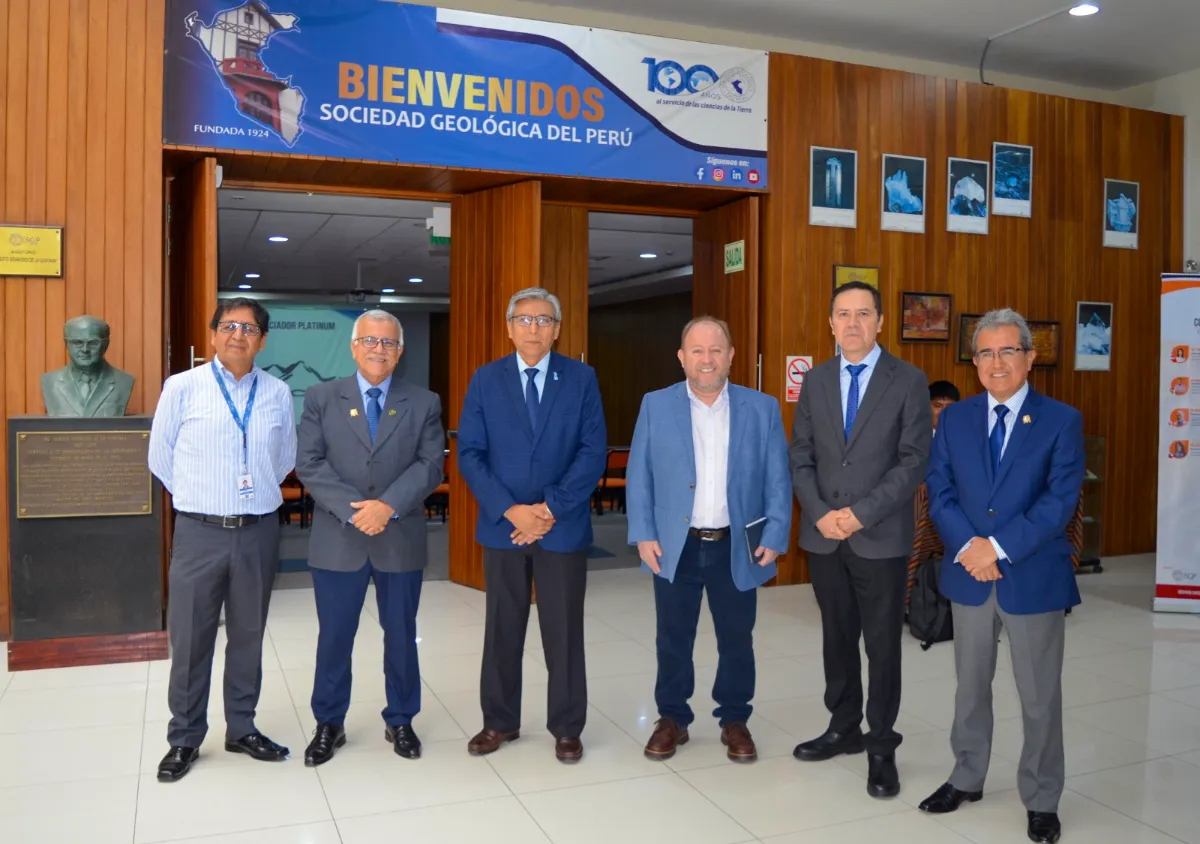
As Peru stands at a critical juncture regarding climate resilience and territorial development, the XXIII Peruvian Geological Congress (CPG) 2026 emerges as more than a mere academic gathering. Scheduled to take place from September 16 to 18, 2026, at the Lima Convention Center, this landmark event seeks to shift the national narrative from reactive emergency management to a robust, proactive, and science-led territorial strategy. Organized by the Geological Society of Peru (SGP), the congress positions geosciences as the cornerstone for long-term development, offering a roadmap to mitigate the inevitable risks posed by a changing climate and complex Andean geology.
Main Facts: The Core Objectives of CPG 2026
The congress is designed to be the epicenter of geoscientific discourse in the region, bringing together over 30 leading organizations, industry titans, and government policymakers. The primary goal is to integrate geological data into the state’s decision-making apparatus, ensuring that infrastructure projects, urban planning, and water resource management are informed by precise subterranean and surface analysis.
Key Highlights of the 2026 Edition:
- Venue: Lima Convention Center, Av. de la Arqueología 206, San Borja.
- Strategic Focus: Moving beyond traditional geology to include artificial intelligence, critical minerals, sustainable exploration, and climate-adaptive infrastructure.
- Expected Impact: The mobilization of over 40 technical modules and exhibitions aimed at bridging the gap between research and practical policy.
Chronology of the Initiative: Moving Toward Prevention
The journey toward the 2026 Congress is rooted in years of observing the recurring failures of reactive systems. For decades, Peru has relied on post-disaster reconstruction—a cycle that is both economically unsustainable and humanly devastating.
- Pre-2020s: A period defined by "Crisis Management," where the focus remained on humanitarian aid after events like the Coastal El Niño.
- 2024-2025: A period of intensive preparation and research, where the SGP began lobbying for the formal inclusion of geological data in regional municipal planning.
- September 16-18, 2026: The CPG 2026 serves as the culmination of these efforts, formalizing the role of geosciences as a permanent pillar of state policy.
Supporting Data: Why Geological Intelligence Matters
The urgency of the congress is supported by cold, hard data regarding Peru’s vulnerability. According to experts like Hernando Tavera, President of the Geophysical Institute of Peru (IGP), understanding the country’s risk profile is not just about identifying fault lines; it is a multidimensional analysis of soil quality, demographic density, and building integrity.
The Seismic and Geodynamic Equation
Tavera highlights that in regions with high topographical gradients, seismic events are rarely the only threat. The secondary consequences—landslides, rockfalls, and soil liquefaction—often cause more structural damage than the ground shaking itself. For the mining sector, which operates in some of the most geologically volatile areas, this data is vital. Many mining companies are already leading the way by integrating real-time seismic monitoring into their operational safety protocols, a standard the congress hopes to normalize across the public sector.
Official Responses: Expert Insights and Strategic Vision
The Vision of César Farfán: El Niño as an Opportunity
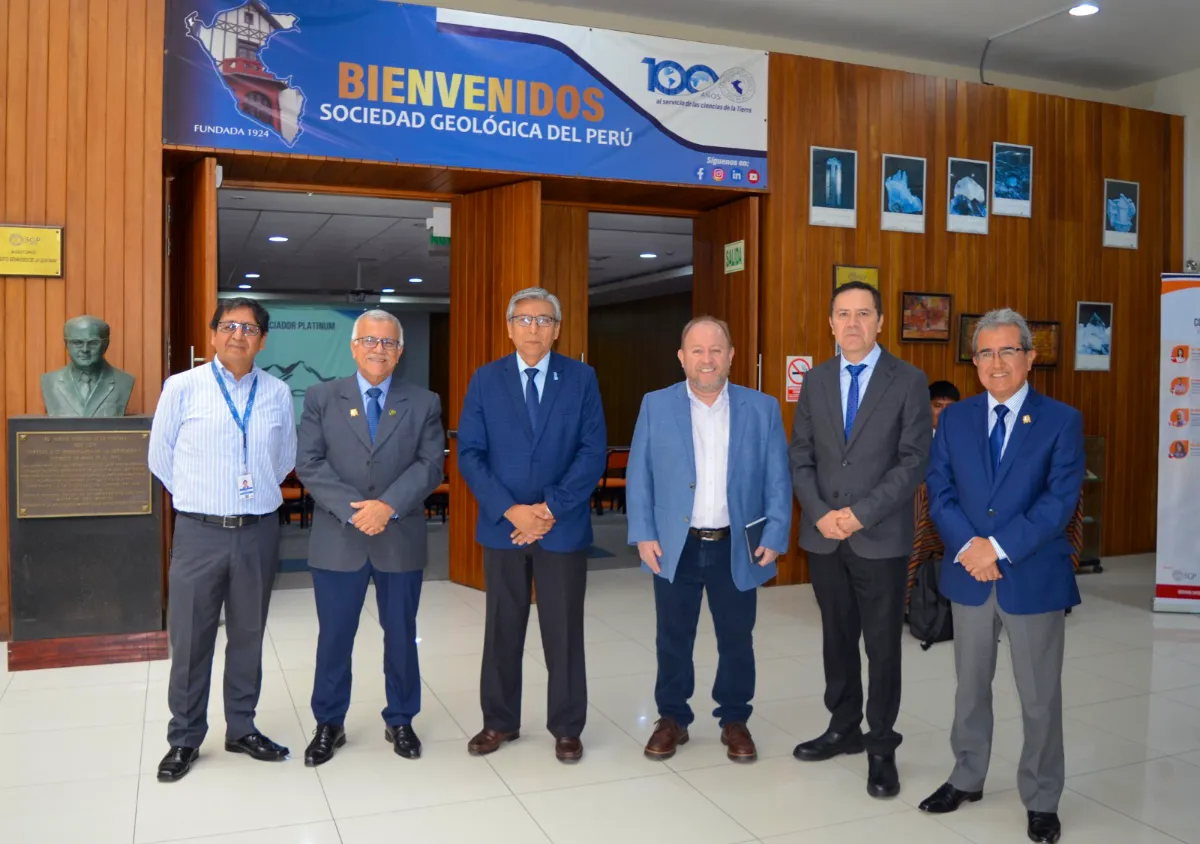
César Farfán, President of the XXIII CPG 2026, offers a radical departure from the common view of El Niño as purely a disaster. While acknowledging the extreme rainfall and potential for catastrophic flooding in the north, Farfán argues that the "disaster" is a failure of planning rather than an inevitability of nature.
"We have a massive volume of water that arrives with these phenomena," Farfán stated. "Instead of viewing it solely as a hazard that washes away roads and bridges, we should be investing in massive storage infrastructure. This water, if captured and managed, could sustain the northern coast through the long, arid periods of drought that inevitably follow."
Infrastructure as a First Line of Defense
Farfán’s proposal demands a shift in infrastructure philosophy. The current model sees roads and bridges destroyed by the first major rains, followed by years of bureaucratic reconstruction. He advocates for:
- Redundancy: Developing alternative transit corridors that can withstand the localized impact of extreme weather.
- Strategic Storage: Building reservoirs that function as both flood mitigation basins and water banks.
- Cross-Government Consistency: Ensuring these projects are "state policies" rather than "government policies," surviving political transitions to reach completion.
Juvenal Medina: The Call for Municipal Empowerment
Ing. Juvenal Medina, President of the Board of PREDES, will bring the conversation to the local level. His contribution focuses on the "corrective and prospective management of risk." A recurring issue in Peru is the rapid, unplanned occupation of high-risk zones—riverbanks, floodplains, and unstable hillsides. Medina argues that without strengthening the technical capacity of municipalities to enforce zoning laws, no amount of geological science will save the population from preventable tragedies.
Implications: The Road Ahead
The implications of the XXIII Peruvian Geological Congress 2026 are profound for the nation’s future. By fostering a dialogue between the scientific community and those who hold the purse strings for national investment, the SGP is attempting to build a culture of prevention.
1. Economic Stability
Disaster response costs significantly more than disaster prevention. By leveraging geosciences to build smarter, the Peruvian government stands to save billions of soles in reconstruction costs over the next two decades, potentially reallocating those funds toward education, healthcare, and economic diversification.
2. Technological Integration
The inclusion of Artificial Intelligence in the congress program signals a modernization of the geological profession. AI models now allow for predictive mapping that can simulate centuries of climate impact in seconds, giving engineers and urban planners a clearer view of what a 50-year or 100-year event looks like for specific regions.
3. Sustainability and Resource Management
The discussion of "critical minerals" and "water management" places Peru at the center of the global green transition. As the world moves toward electrification, Peru’s geological wealth is an asset, but only if managed with the sustainability standards that this congress aims to promote.
Conclusion: A Call to Action
The XXIII Peruvian Geological Congress 2026 is a clarion call to transition from a culture of crisis to a culture of prevention. It invites researchers, engineers, politicians, and the public to recognize that the land upon which Peru is built is a dynamic, living entity that requires respect and scientific understanding.
As the nation prepares for this event in September 2026, the message is clear: the technology exists, the expertise is available, and the strategies are documented. What remains is the political will to treat geoscientific data as the fundamental blueprint for a safer, more prosperous Peru.
Those interested in participating in this historic effort can find further information and registration details at the official website: Congreso Peruano de Geología.
The future of Peru is written in its strata; it is time the country began reading it.