Executive Summary: A Legislative Body Under Scrutiny
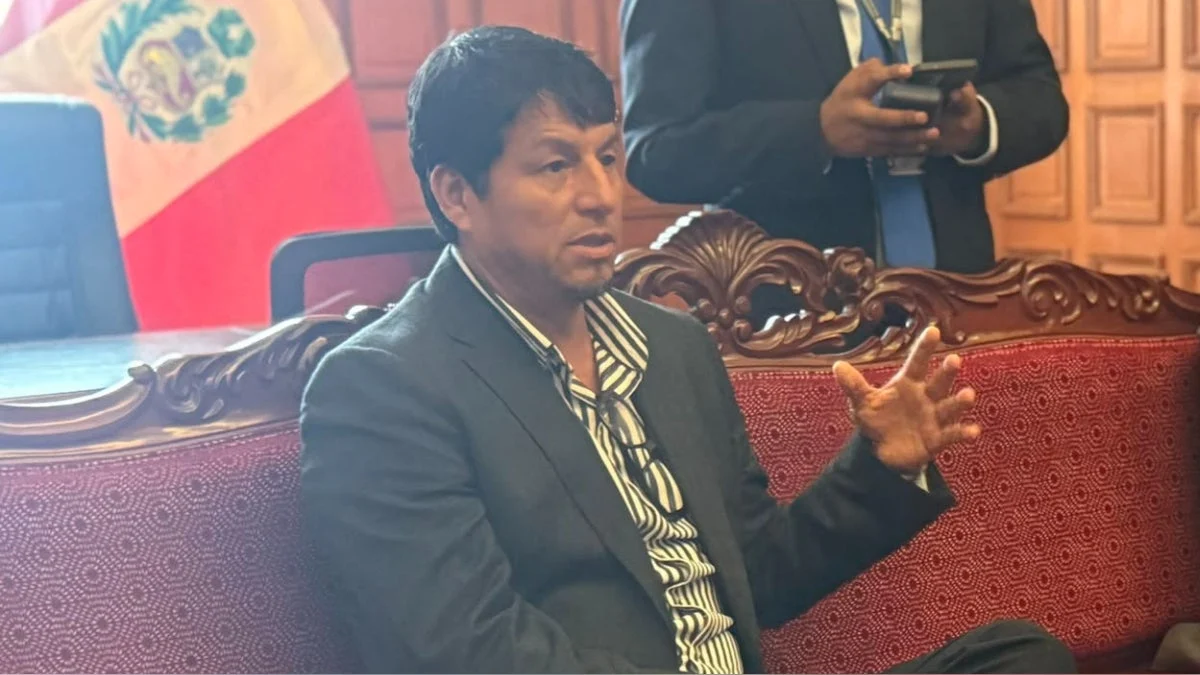
In a significant move toward institutional accountability, the Congressional Ethics Commission of the Chamber of Deputies has formally voted to launch an investigation into the conduct of Congressman Julián Pérez Mallqui, a representative of the Juntos por el Perú (JP) bench. The decision, reached during the commission’s second ordinary session, marks a critical juncture in a case that has sparked national debate regarding legislative immunity, personal conduct, and the integrity of the Peruvian parliamentary system.
The commission, presided over by Congressman Henry Albañil Carmona of the Partido Cívico Obras, reached a unanimous consensus, with all six present members voting in favor of the qualification report. This report formally recommends that the complaint against Pérez Mallqui be admitted for processing, effectively launching a full-scale inquiry into the legislator’s alleged actions. The case, formally registered under Expediente 001-2026-2027/CEP-CR, is now poised to undergo a rigorous administrative review that could lead to disciplinary sanctions, including suspension or permanent removal from office.
Chronology of Events: From the Incident to Legislative Action
The trajectory of this case began with a disturbing report detailing alleged physical and psychological aggression.
The Incident in San Miguel
According to police reports and public disclosures, the allegations stem from an incident at the residence of the congressman’s former partner, located on Jirón Manco Segundo in the district of San Miguel, Lima. The details surrounding the incident—which include accounts of physical confrontation—led to the initial detention of the congressman. However, following the expiration of the legal deadline for flagrancy detention, Pérez Mallqui was released, a development that fueled public outrage and intensified calls for the legislative branch to take internal disciplinary action.
The Congressional Response
Following the public outcry, the Ethics Commission moved with notable speed to address the potential breach of the Code of Parliamentary Ethics.
- Initial Filing: Formal complaints were submitted to the commission following the news of the arrest.
- Qualification Review: The technical team of the commission reviewed the filing to determine if it met the strict admissibility and procedibility requirements set forth in the parliamentary rules.
- The Session: During the second ordinary session, the commission reviewed the qualification report. The report concluded that the evidence presented was sufficient to warrant a full investigation.
- The Vote: By a unanimous vote of 6-0, the commission officially greenlit the inquiry, marking the transition from a mere accusation to an active parliamentary procedure.
Supporting Data: The Legal Framework and Ethical Standards
The investigation into Congressman Pérez Mallqui is not merely a political gesture; it is grounded in the formal legal frameworks that govern the conduct of elected officials.
The Code of Parliamentary Ethics
The Code of Parliamentary Ethics serves as the moral and professional compass for members of the Chamber of Deputies. Any breach of this code is treated with the utmost seriousness, as it affects the public perception of the entire legislative body. The allegations against Pérez Mallqui touch upon core tenets of the code, which explicitly demand that representatives maintain a standard of conduct that upholds the dignity of their office and respects the fundamental human rights of all citizens.
Admissibility and Procedibility
The qualification report, which was the focus of the commission’s recent session, confirmed that the complaint against the JP congressman met all statutory requirements. These include:
- Legal Standing: The complainant holds the necessary standing to file the grievance.
- Factual Sufficiency: The report indicates that the allegations are supported by a sufficient narrative and preliminary documentation to justify the allocation of investigative resources.
- Jurisdictional Compliance: The commission confirmed that the alleged acts fall under its purview, as they pertain to the behavior of a sitting member of the legislature, regardless of whether the acts occurred within the legislative palace or in a private capacity.
Official Responses and Political Repercussions
The reaction to the commission’s decision has been swift and polarized, reflecting the broader tensions within the current political landscape.
The Role of the Ethics Commission
Congressman Henry Albañil Carmona, acting as the presiding officer of the commission, emphasized that the body’s role is to ensure that no member of Congress is above the law. In his address to the press following the vote, Albañil Carmona stressed that the commission is committed to a transparent, fair, and evidence-based investigation. "Our duty is to the institution and to the citizens we represent," he stated. "The unanimity of this vote sends a clear message: violence, particularly of a gender-based nature, has no place in the halls of this Congress."
The Position of Juntos por el Perú (JP)
The bench of Juntos por el Perú (JP) has faced internal pressure to address the actions of one of its members. While the party has yet to issue a definitive statement regarding the potential expulsion of the congressman, sources close to the party leadership suggest that they are awaiting the findings of the Ethics Commission before making a final decision. The party finds itself in a precarious position, balancing the presumption of innocence with the need to maintain its political platform, which has historically centered on human rights and social justice.
Civil Society and Public Sentiment
Advocacy groups and women’s rights organizations have lauded the commission’s decision as a necessary step. However, many activists have voiced concern regarding the pace of justice. The fact that the congressman was released after the flagrancy period expired has left many in the public questioning the efficacy of the judicial system. The parliamentary investigation is now viewed by many as the only remaining avenue for immediate accountability.
Implications for the Future of the Legislature
The case of Julián Pérez Mallqui has profound implications for the future of the Chamber of Deputies. It raises fundamental questions about the extent of parliamentary immunity and the moral obligations of legislators.
The "Ethics vs. Politics" Dilemma
This investigation will test the resilience of the Ethics Commission. If the commission moves to recommend a harsh penalty, such as a lengthy suspension or a recommendation for removal, it will solidify the commission’s authority. If, however, the process becomes stalled in bureaucratic delays or is perceived as lenient, it could further erode public trust in the legislature.
Setting a Precedent
The final outcome of Expediente 001-2026-2027/CEP-CR will likely set a legal and ethical precedent for future cases of domestic violence involving public officials. In recent years, there has been a global shift toward zero-tolerance policies for gender-based violence among political leaders. This case provides a litmus test for whether the Peruvian Congress will align itself with these modern international standards or revert to traditional practices of protecting its own.
The Path Forward
As the investigation progresses, the commission is expected to summon witnesses, review digital evidence, and examine the official police reports from the San Miguel district. The congressman will be afforded his right to due process, including the opportunity to present his defense before the commission.
However, the shadow of these allegations will undoubtedly affect his ability to perform his duties effectively. Regardless of the legal outcome, the political damage is significant, and the investigation represents a defining moment for the current legislative period.
Conclusion
The unanimous decision by the Parliamentary Ethics Commission to investigate Congressman Julián Pérez Mallqui is a pivotal development in an ongoing struggle for legislative accountability. As the case moves forward, the eyes of the public will remain fixed on the commission, awaiting a resolution that reflects the gravity of the allegations and the responsibility of the legislative branch to uphold the rule of law.
The integrity of the democratic process depends on the ability of its institutions to police their own ranks with fairness and impartiality. With the investigation now officially underway, the Chamber of Deputies must prove that it is capable of prioritizing the rights of citizens over the political survival of its members. The coming months will be decisive, not only for the future of Congressman Pérez Mallqui but for the credibility of the entire Peruvian parliamentary system.