The Peruvian labor landscape is entering a period of significant transition. The Ministry of Labor and Employment Promotion (MTPE) has officially convened the National Council of Labor (CNT) for a plenary session scheduled for September 3. This high-stakes meeting, which brings together representatives from the government, trade unions, and private sector employers, aims to formalize a path toward increasing the Remuneración Mínima Vital (RMV)—the national minimum wage—to S/ 1,300.
Beyond the immediate adjustment of the wage floor, the session serves as a strategic forum to address structural vulnerabilities facing the Peruvian workforce, specifically the looming economic threats posed by the "Global El Niño" weather phenomenon and the transformative, often disruptive, influence of artificial intelligence on the labor market.
The Core Proposal: A Two-Phase Wage Adjustment
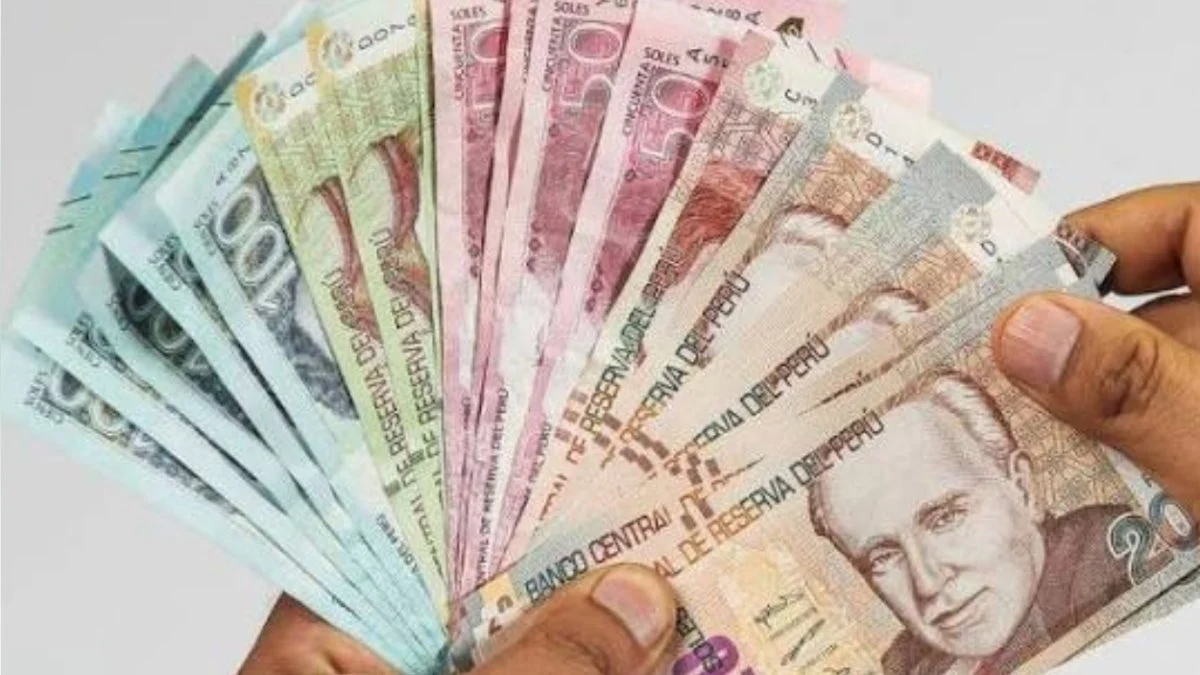
The centerpiece of the upcoming negotiations is the administration’s proposal to raise the minimum wage from the current S/ 1,130 to S/ 1,300. This adjustment, initially outlined by the President in her recent address to the nation, is designed to balance the immediate needs of workers against the necessity of macroeconomic stability during a period of climate-induced uncertainty.
The Phased Implementation Strategy
The Ministry of Labor, under the leadership of Minister Juan Sheput, has proposed a bifurcated rollout to mitigate inflationary pressure on small and medium-sized enterprises (SMEs):
- First Phase: An immediate increase of S/ 100, scheduled for implementation between October and November of this year.
- Second Phase: A final increment of S/ 70, slated for the following calendar year.
The government has explicitly linked the second phase to the dissipation of the Global El Niño phenomenon. By conditioning the final adjustment on the stabilization of climate-related risks, the administration seeks to ensure that the wage increase does not inadvertently trigger a cycle of cost-push inflation that could destabilize the economy during a period of potential supply-chain disruption.
Chronology of Negotiations
The decision to convene the CNT follows weeks of intensive back-channel diplomacy between the Ministry and organized labor.
- Pre-negotiation Phase: The Ministry of Labor engaged in a series of bilateral meetings with major labor organizations, most notably the Federation of Construction Workers of Peru (FTCCP). These discussions were aimed at gathering a comprehensive "labor agenda" that goes beyond salary figures to include health, safety, and working conditions.
- The Presidential Mandate: Following these consultations, the executive branch finalized the proposal for the S/ 1,300 floor, marking a shift toward more proactive wage setting.
- The Upcoming Plenary (September 3): This session marks the official start of the tripartite dialogue. It is the first time in the current administration that the government, business guilds, and unions will sit at the same table to ratify the specifics of the RMV hike and reach a consensus on non-wage-related labor reforms.
Supporting Data and Economic Context
The necessity of this wage adjustment is supported by a confluence of economic indicators. Despite Peru’s historical resilience, real wages have struggled to keep pace with the rising cost of living, particularly in urban centers where inflation for essential goods remains persistent.
Labor Market Dynamics
According to Ministry of Labor statistics, the current minimum wage of S/ 1,130 leaves a significant portion of the formal workforce living at or near the poverty line. Economists argue that a modest, phased increase could stimulate domestic demand, creating a multiplier effect that benefits local businesses. However, business associations have expressed concern regarding the informal sector. Approximately 70% of Peru’s labor market operates in the informal sphere; employers worry that raising the cost of formal labor too abruptly could discourage small businesses from transitioning into the formal economy.
Climate Risk: The El Niño Variable
The inclusion of "Global El Niño" as a primary agenda item is not incidental. The phenomenon threatens agricultural output, infrastructure, and logistics, all of which are heavy users of labor. By tying the second phase of the wage increase to the end of the climate crisis, the government is attempting to signal to investors that labor costs will remain predictable and manageable, regardless of the severity of the weather.
The Technological Frontier: AI and the Future of Work
Perhaps the most forward-looking aspect of the upcoming CNT session is the inclusion of "The Future of Work" in the agenda. Minister Sheput has emphasized that Peru cannot afford to be reactive regarding the rapid integration of artificial intelligence (AI) and automation into the national economy.
The Human Capital Gap
"We have to anticipate the change, train our workers, and prepare them for the new jobs that will emerge," Minister Sheput stated during his recent address. The Ministry is proposing a tripartite task force to evaluate how AI will impact traditional roles, particularly in manufacturing, construction, and administrative services.
Strategies for Reskilling
The agenda for the September 3 session includes:
- Curriculum Alignment: Coordinating with the Ministry of Education to align vocational training with the requirements of a digital economy.
- Incentives for Innovation: Exploring tax breaks for companies that invest in upskilling their workforce rather than replacing them with automated systems.
- Protection of Rights: Developing a regulatory framework that ensures workers are not exploited by algorithmic management tools or data-driven productivity metrics.
Occupational Health and Labor Violence
The dialogue will also address deep-seated issues within the construction sector, which remains one of the most dangerous and volatile industries in the country.
Safety in Construction
A critical point of concern raised by the FTCCP is the physical toll of manual labor. Specifically, the Ministry has committed to reviewing the weight of cement bags and other building materials. The goal is to enforce international ergonomic standards to reduce musculoskeletal disorders, which are currently a leading cause of long-term disability among construction workers.
The Fight Against Organized Crime
Furthermore, Minister Sheput has announced an urgent coordination plan with the Ministry of the Interior to tackle the "extortion crisis" affecting construction sites. The rise of criminal syndicates demanding "cupos" (protection money) from contractors has reached a breaking point, threatening both the lives of laborers and the progress of critical public infrastructure projects. The Ministry of Labor plans to propose a national security protocol for worksites, which would include increased police presence and better intelligence-sharing between construction unions and local authorities.
Official Responses and Implications
The labor sector has reacted with cautious optimism. Representatives from the FTCCP have welcomed the government’s willingness to discuss both wage increases and safety, though they maintain that the S/ 1,300 figure must be treated as a floor, not a ceiling, given the persistent inflationary pressures.
Conversely, private sector representatives, including leaders from the National Confederation of Private Business Institutions (CONFIEP), have urged the government to ensure that the wage increase is accompanied by measures to reduce the "bureaucratic burden" on businesses. Their argument is that if the state expects the private sector to carry the weight of a higher minimum wage, it must also provide the regulatory flexibility necessary to keep companies profitable and competitive on a global scale.
The Long-Term Vision
As the September 3 plenary approaches, the broader implications for the Peruvian economy are clear: the country is moving toward a model where labor rights are increasingly viewed as a pillar of economic stability rather than a hurdle to growth.
The success of these negotiations will serve as a barometer for the administration’s ability to manage competing interests during a time of global economic volatility. If the tripartite agreement succeeds, it will not only provide a tangible increase in purchasing power for millions of workers but also establish a precedent for how a modern, developing nation can navigate the intersection of social equity, climate change, and the technological revolution.
The eyes of the nation remain fixed on the Ministry of Labor, waiting to see if this dialogue will yield a sustainable roadmap or merely temporary fixes to systemic challenges.