Introduction: A Breach of Public Trust?
The Peruvian political landscape is currently embroiled in a fresh controversy involving the Minister of Education, José Antonio Chang, and his professional relationship with former congresswoman Tania Ramírez. The epicenter of this scandal, which has triggered internal friction within the ruling Fuerza Popular party, revolves around allegations of cronyism following the revelation that both officials shared multiple international travel itineraries prior to Ramírez’s high-profile appointment to the board of the Derrama Magisterial.
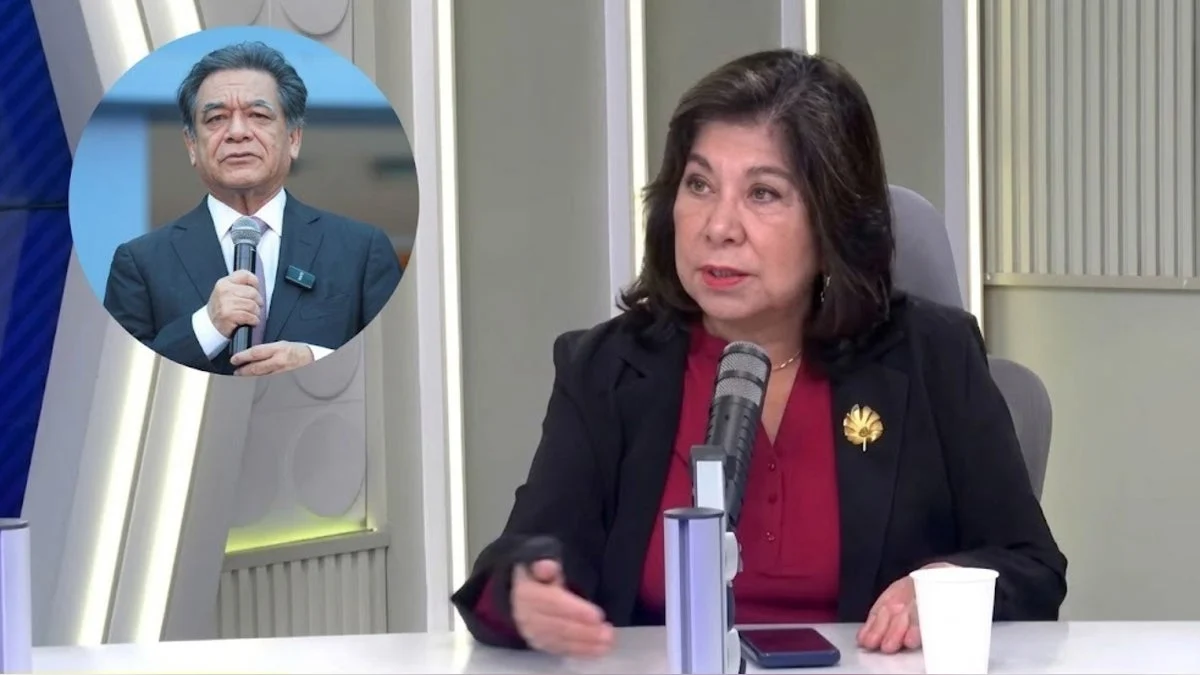
Senator Martha Chávez, a prominent voice within the governing party, has issued a scathing rebuke of the Minister’s prolonged silence. In a recent appearance on RPP’s Ampliación de Noticias, Chávez underscored that while personal lives are typically shielded from public scrutiny, the intersection of private relationships and state appointments necessitates absolute transparency. As the administration of President Keiko Fujimori attempts to navigate this public relations crisis, the calls for accountability have moved beyond the opposition, echoing within the halls of the executive’s own political base.
Chronology of the Controversy
The events leading to the current outcry can be traced through a series of documented international movements that have raised eyebrows among investigative journalists and political analysts alike.
The Investigative Spark
The controversy ignited following an investigative report by Willax, which meticulously cross-referenced the travel records of Minister Chang and former congresswoman Tania Ramírez. The report highlighted at least three distinct instances where both officials departed for and returned from destinations in the United States and Panama on nearly identical dates.
The Appointment
Shortly after these international trips were documented, the Ministry of Education announced the appointment of Tania Ramírez as a representative of the Ministry to the Derrama Magisterial. The position, which is highly influential in the management of teachers’ pension funds, comes with a significant monthly stipend—reported to be approximately 22,000 soles. The proximity between the documented travels and the appointment has led many observers to question the meritocratic basis of the selection process.
The Escalation
Following the Willax report, public demand for an explanation intensified. Despite the mounting pressure, Minister Chang has maintained a policy of silence, which Senator Chávez describes as "deeply troubling" for the credibility of the cabinet. The situation reached a boiling point this past Sunday when senior members of Fuerza Popular openly challenged the Minister to address the allegations head-on or risk the political fallout.
Supporting Data and Financial Implications
The Derrama Magisterial is a private law entity that manages the social security and welfare of Peruvian educators. Because the Ministry of Education holds a critical oversight and representative role within this institution, appointments made by the Minister are subject to rigorous public interest.
- The Stipend: The monthly salary of 22,000 soles is substantially higher than the average income of the educators whose funds the board is tasked with managing. This financial disparity has fueled public indignation, turning a question of professional ethics into a broader debate about the equitable distribution of public resources.
- Travel Patterns: While travel in itself is not illegal, the frequency and coincidence of the trips have created an optical issue that, in the eyes of many, suggests a conflict of interest. The burden of proof now lies with the Ministry to demonstrate that these trips were either official in nature or entirely unrelated to the subsequent professional appointment of Ramírez.
Official Responses and Internal Party Discord
The internal dynamics of Fuerza Popular are currently under significant strain. While the party was once a bastion of unified messaging, this incident has revealed a fracture regarding the expected standards of conduct for government officials.
The Position of Martha Chávez
Senator Chávez has been the most vocal critic, stating that the moral authority of the government depends on the willingness of its officials to be transparent. "I am in total agreement that private life remains private, provided it does not affect public morality," Chávez remarked. "However, when there is a state appointment involved, there must be an explanation."
Chávez further argued that those who enter the political sphere—whether through election or appointment—must accept that they are under a "permanent X-ray" of public scrutiny. She expressed disappointment that the Minister has not proactively addressed the issue, asserting that a true public servant should be the first to clarify any perceived irregularities rather than waiting for formal demands from political adversaries.
Dissent Within the Ranks
The pressure is not coming from Senator Chávez alone. Jacques Rodrich, another influential senator from the Fuerza Popular ranks, provided a sobering perspective in an interview with Canal N. Rodrich suggested that if Minister Chang is unable to provide a satisfactory explanation for his ties to Ramírez and the circumstances surrounding her appointment, he should have his resignation letter ready. This move by a party colleague suggests that the administration’s patience is wearing thin, and the "political cost" of keeping the Minister in his post may soon outweigh his utility to the cabinet.
Implications for the Fujimori Administration
The scandal arrives at a critical juncture for the Keiko Fujimori government. With several domestic challenges on the horizon, the perception of a cabinet plagued by cronyism could severely undermine the administration’s legislative agenda.
Eroding Public Trust
The core issue for the administration is the erosion of public trust. When voters perceive that state positions are used as favors for personal associates, it creates a narrative of a "caste" system that is disconnected from the needs of the common citizen. For the Derrama Magisterial, which serves the teaching community, this is particularly sensitive, as any suspicion of mismanagement can trigger widespread strikes and social unrest.
The "Moral Authority" Test
The administration is currently facing a "moral authority" test. If President Fujimori fails to take decisive action—either by demanding a public explanation from the Minister or requiring his resignation—she risks appearing as though she is shielding members of her inner circle from the same accountability she expects from others. Conversely, dismissing the Minister without a thorough investigation could be viewed as a premature reaction to media pressure.
The Path Forward
To regain control of the narrative, the government must move quickly to address three key areas:
- Transparency: Providing a full disclosure of the nature of the trips taken by Minister Chang and Ms. Ramírez.
- Accountability: Re-evaluating the appointment process for the Derrama Magisterial to ensure that all candidates meet the necessary professional requirements and that the selection process was competitive.
- Communication: Moving away from the "wall of silence" strategy. The Minister must provide a formal, public statement that addresses the specific questions raised by the Willax investigation and the concerns of his own party members.
Conclusion
The situation involving José Antonio Chang and Tania Ramírez serves as a poignant reminder of the fragility of political legitimacy. In a democratic society, the burden of public office requires not only the execution of duties but also the maintenance of an impeccable public image. As the calls for a "permanent X-ray" of the Minister’s actions grow louder, the government stands at a crossroads: it must choose between protecting its own or upholding the principles of transparency and fiscal responsibility. Whether this incident will lead to a cabinet reshuffle or a period of intense reform remains to be seen, but one thing is certain: the era of silence as a defense strategy is over. The public, the media, and the political opposition are watching, and the clock is ticking for the Minister of Education to provide the clarity the nation demands.