By Editorial Staff
The struggle for environmental justice in the Peruvian Amazon has reached a critical juncture. Indigenous communities, led by the Federation of the Achuar Nationality of Peru (FENAP) and the Autonomous Territorial Government of the Wampis Nation (GTANW), are intensifying their demands for accountability regarding long-standing oil spills and the controversial management of Lote 64 in the Loreto region. This conflict highlights a systemic failure to protect indigenous territories and a growing divide between state-sanctioned extractive industries and the fundamental rights of the people who call the rainforest home.
The Core Conflict: Unremediated Passives and Lote 64
At the heart of the current crisis is the persistent presence of environmental "passives"—lingering contamination left behind by oil operations that were never properly cleaned up. In the sector known as Situche Central, located near oil wells 2x and 3x within the Putuntsa community, toxic residues from operations conducted by the company Talismán as far back as 2012 remain untreated.
The contamination is not merely a matter of soil degradation; it has infiltrated the vital waterways upon which the Achuar people depend. Shiwiant Mashiant, president of the AIM basin organization (affiliated with FENAP), testified before the Congress of the Republic that the pollution has reached the very sources of water used by community members and their livestock. The ongoing presence of these hydrocarbons in the ecosystem represents a direct threat to the food sovereignty and physical health of the Achuar nation.
The situation is further complicated by the state’s continued push for development in the area. Lote 64, currently under concession to the oil company Geopark, has become a flashpoint for resistance. Indigenous leaders argue that the concession was granted without the legally mandated process of prior, free, and informed consultation. Furthermore, the company lacks a "social license" to operate, as the Wampis and Achuar peoples have consistently rejected the encroachment of extractive activities on their ancestral lands.
Chronology of Neglect: From 2012 to the Present
To understand the severity of the situation, one must look at the timeline of events that have led to the current impasse:
- 2012: Initial oil spills are recorded in the Situche Central sector of Lote 64 during operations by Talismán. Despite expectations of environmental remediation, these sites remain contaminated for years to come.
- 2018 (August): The Wampis and Achuar nations formally intensify their legal and public campaign, demanding the total annulment of the Lote 64 contract.
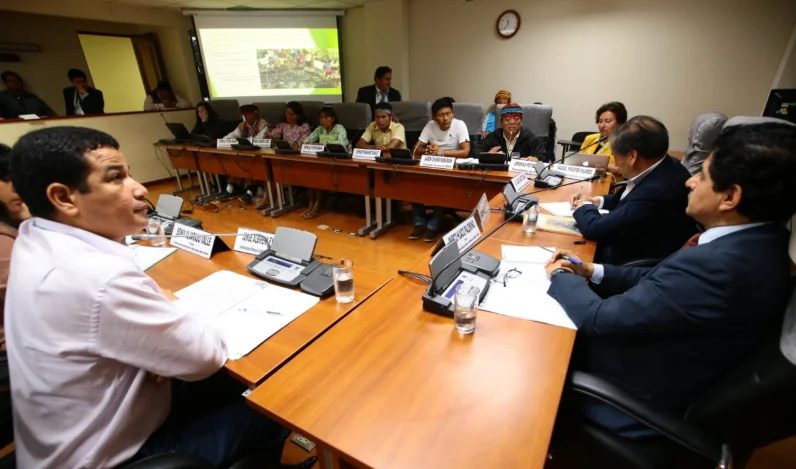
- 2018 (December): A pivotal work meeting is held, convened by the Commission for Andean, Amazonian, and Afro-Peruvian Peoples, Environment, and Ecology (CPAAAAE) of the Peruvian Congress. Indigenous leaders present evidence of both the Lote 64 crisis and the worsening state of the Norperuano Pipeline.
- 2019 (Planned): The Environmental Assessment and Enforcement Agency (OEFA) officially commits to conducting inspection actions in Lote 64 during the first quarter of the year, following intense pressure from the FENAP.
This timeline reflects a pattern of institutional inertia, where indigenous communities are forced to repeatedly petition for the enforcement of environmental laws that are already on the books but remain toothless in practice.
The Norperuano Pipeline: A Wider Crisis
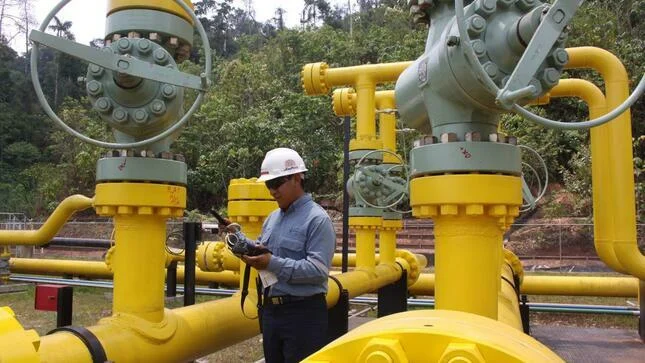
While Lote 64 represents a specific localized struggle, the crisis extends to the broader infrastructure of the region. Jeremías Petsein Peas, president of FENAP, has issued urgent warnings regarding additional environmental passives in the Achuar communities of Chuintar and Uwinsta. These areas are heavily impacted by the Norperuano Pipeline, a massive state-owned infrastructure project managed by Petroperú.
Petsein Peas highlights that these sites, like those in Lote 64, have been largely ignored by the operator. The consequences of this negligence are not abstract; they are measured in the deteriorating health of the population. Residents report a cluster of symptoms—including chronic stomach ailments, persistent headaches, and mysterious skin lesions—that they attribute to the consumption of water and fish tainted by oil operations. Women and children are disproportionately affected by these environmental health crises, raising alarms about the long-term biological impact on these communities.
Official Responses and Institutional Accountability
The recent congressional session brought together representatives from the OEFA, the Ministry of Health (MINSA), and indigenous leadership. The OEFA’s commitment to fiscalization in 2019 is a response to the outcry, yet many leaders remain skeptical. Wrays Pérez, president of the Autonomous Territorial Government of the Wampis Nation, did not mince words during the proceedings. He criticized the state’s lack of prioritization for the Amazon, arguing that while capital is found for extractive expansion, there is a systemic lack of funding and political will to remediate the destruction already caused.
"Petroperú knows it must remediate the Norperuano Pipeline," Pérez declared. "Yet, nothing is done."
The Ministry of Health, for its part, has committed to a diagnostic process and the provision of medical attention for those affected by oil-related contamination. While this is a welcome step, indigenous groups maintain that medical aid is a palliative measure that does not address the root cause: the continued existence of toxic waste in their environment.
Implications: Rights, Sovereignty, and Environmental Justice
The ongoing conflict underscores several profound implications for the relationship between the Peruvian state and indigenous nations:
1. The Right to Consultation
The claim that Lote 64 was concessioned without the prior consultation of the Achuar and Wampis people is a direct violation of national law and international standards, such as ILO Convention 169. By ignoring these protocols, the state undermines the sovereignty of the Wampis and the rights of the Achuar, treating their ancestral territory as a "vacant" resource to be exploited rather than a homeland to be respected.
2. The Fallacy of the "Social License"
The indigenous opposition to Geopark and the broader oil industry is rooted in the absence of a social license. For these communities, economic development is not defined by extractive wealth, but by the maintenance of a healthy, biodiverse, and sovereign territory. The state’s failure to recognize this creates a volatile environment where conflict is inevitable.
3. Legal and Strategic Alliances
The mobilization of the Achuar and Wampis is supported by legal experts, including the International Institute for Law and Society (IIDS) and the organization Peru EQUIDAD. These alliances have been instrumental in turning local grievances into national legal debates. By challenging the validity of the Lote 64 contracts, these groups are moving beyond simple protests and into the realm of structural legal change.
4. Public Health as an Environmental Metric
The health crisis reported in Chuintar and Uwinsta serves as an irrefutable indicator of the failure of the current environmental management model. When the primary stakeholders of the land—the indigenous communities—begin to suffer from widespread illness, the "cost" of oil extraction must be recalculated to include the human toll.
Conclusion: A Call for Transformation
The situation in Loreto is a microcosm of a global challenge: how to balance the demands of modern energy markets with the urgent need to protect the planet’s most vital ecosystems and the rights of their original inhabitants. For the Wampis and Achuar nations, the path forward is clear. They are not merely asking for better cleanup efforts; they are demanding the recognition of their right to self-determination and the permanent cessation of activities that threaten the survival of their culture and the health of their people.
As 2019 approaches and the OEFA prepares to enter the region, the eyes of human rights observers and environmentalists will be on the Peruvian government. The promised inspections must be more than a bureaucratic exercise; they must be the beginning of a genuine commitment to remediation, justice, and the restoration of a territory that has suffered too long under the weight of industrial neglect.
The story of the Achuar and the Wampis is a testament to the resilience of indigenous resistance. Whether the state will rise to meet this challenge or continue the cycle of promises and neglect remains the central question of this ongoing struggle. For now, the people remain firm: their land is not for sale, and their future depends on the immediate restoration of the life-giving rivers and forests that have been poisoned by decades of exploitation.