By International Editorial Staff
In an unprecedented move toward strengthening democratic transparency, the National Office of Electoral Processes (ONPE) has officially commenced the total and public destruction of the ballots utilized during the 2026 General Elections and the subsequent presidential runoff. This historic operation, which marks a significant departure from previous administrative disposal methods, aims to ensure the absolute integrity of the electoral process by rendering sensitive material permanently unrecoverable.
The operation, which began this Saturday, signifies the culmination of the 2026 electoral cycle and underscores the commitment of Peruvian electoral authorities to the principles of security and institutional reliability.
Main Facts: The Scope of the Operation
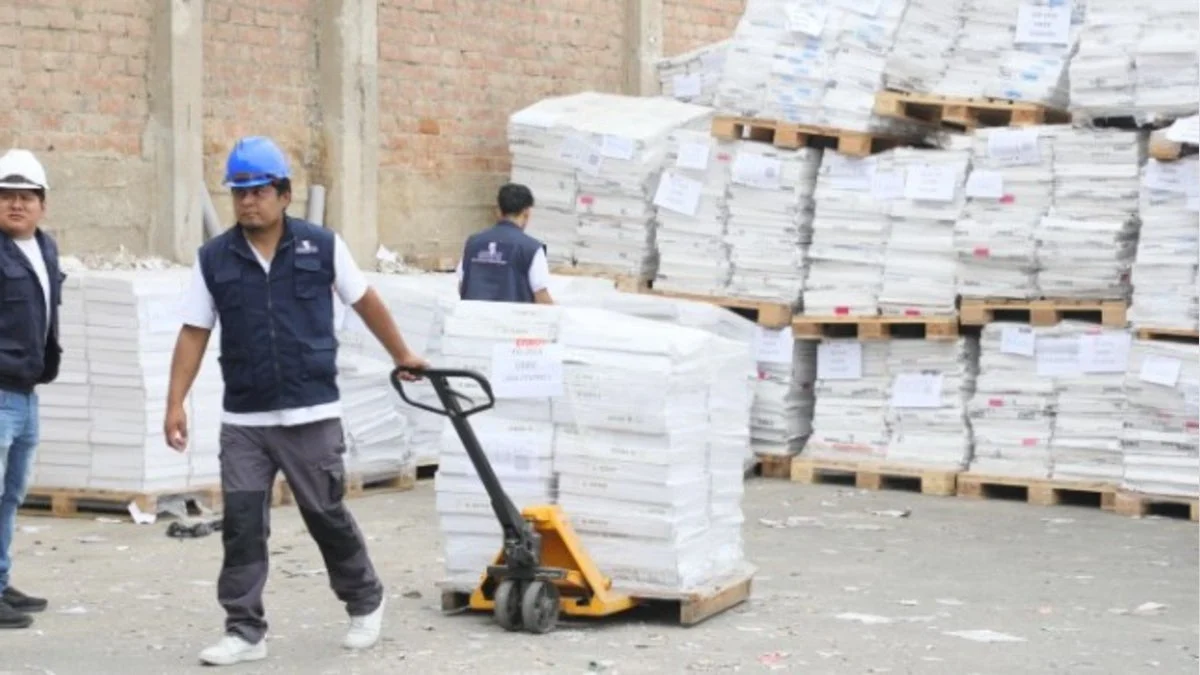
The logistical undertaking involves the systematic destruction of approximately 431,000 kilograms of electoral material. This mass of paper, which contains the expression of the sovereign will of millions of Peruvian citizens, is currently being processed at a specialized facility in Ventanilla, located within the Constitutional Province of Callao.
The decision to transition from standard disposal to a transparent, publicly witnessed destruction process addresses long-standing concerns regarding the chain of custody of sensitive electoral documents. By inviting observers from the Public Ministry and the National Jury of Elections (JNE), the ONPE has established a new benchmark for accountability. The process is not merely a disposal exercise; it is a vital step in the electoral cycle that guarantees that ballots, once tallied and archived according to legal mandates, cannot be subjected to tampering or unauthorized reuse.
Chronology of the Electoral Disposal Process
The journey of the 2026 ballots from the polling stations to their ultimate destruction follows a strictly audited timeline:
- Post-Election Archiving (2026): Immediately following the certification of the 2026 results, all electoral materials, including used and unused ballots, were securely transported to the central ONPE warehouse located in Lurín.
- Strategic Planning (Late 2026 – Early 2027): Electoral authorities finalized the logistical plan for the destruction of the materials. This phase involved vetting private contractors capable of handling the secure transport and industrial-scale shredding of nearly half a million kilograms of paper.
- Logistical Mobilization (Early 2027): The designated service provider initiated the secure collection of the materials from the Lurín storage facility. This phase was characterized by rigorous monitoring to ensure that every kilogram accounted for in the manifest was loaded and transported to the Ventanilla site.
- Commencement of Destruction (Saturday): Under the supervision of interim ONPE Chief Bernardo Pachas, the physical destruction process officially began, signaling the start of the final phase of the 2026 electoral administrative cycle.
- Ongoing Operations: The destruction process is projected to span six calendar days. During this period, the facility remains under strict surveillance by electoral and judicial authorities.
Supporting Data and Technical Protocols
The destruction process utilizes industrial-grade shredding technology. The ballots are fed into high-capacity machinery that reduces the paper to small, confetti-like fragments. This mechanical reduction is essential to prevent any possibility of physical reconstruction, ensuring that the confidential information contained on the ballots is obliterated.
Comprehensive Audit Trail
To maintain institutional integrity, the ONPE has implemented a multi-layered verification system:
- Inventory Manifests: Each batch of material is weighed and cross-referenced with the inventory logs created upon the material’s arrival in Lurín.
- Chain of Custody Documentation: Every stage—from the departure at the Lurín warehouse to the reception at the Ventanilla plant—is documented.
- Certification: Upon the completion of the six-day operational window, the service provider is contractually obligated to issue an official certificate of destruction. This document serves as the final legal proof that the sensitive material has been irreversibly destroyed.
Official Responses and Stakeholder Involvement
The presence of high-ranking officials and oversight bodies during the initiation of this process serves as a formal guarantee to the public.
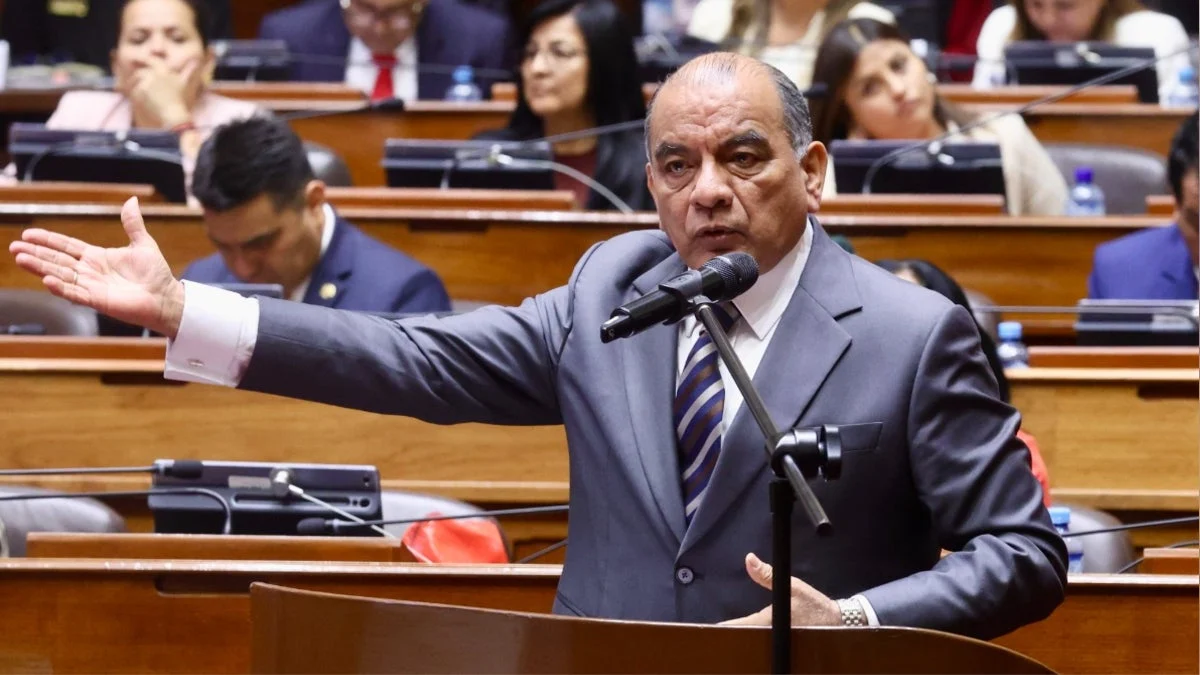
Bernardo Pachas, interim Chief of the ONPE, stated that this process is essential to modernize the electoral entity’s closure protocols. "Our duty does not end with the counting of votes; it ends when we have guaranteed that the material, which represents the democratic choice of our citizens, is handled with the utmost security until its final disposal," Pachas noted.
Representatives from the Public Ministry and the National Jury of Elections (JNE) have been present throughout the process. Their participation is critical, as it provides an external layer of scrutiny that prevents allegations of bias or mismanagement. By observing the destruction, these entities validate that the ONPE is adhering to the legal standards set forth for the disposal of election documentation.
Implications for Future Elections
The decision to conduct this destruction publicly carries significant implications for the future of democracy in Peru.
1. Enhanced Public Trust
In an era where electoral systems worldwide are increasingly scrutinized for potential vulnerabilities, transparency becomes a commodity. By opening the destruction process to observation, the ONPE is actively working to dismantle conspiracy theories or doubts regarding the disposal of sensitive electoral data. This move is designed to reassure the electorate that their vote is protected, even after the election has concluded.
2. Institutional Standardization
This event sets a precedent that will likely become the standard operating procedure for future elections. By establishing a public and documented framework, the ONPE has moved away from opaque bureaucratic disposal toward a model of modern, digital-era accountability. This shift will likely be codified in future electoral regulations, making public destruction a mandatory phase of the electoral calendar.
3. Logistical Lessons
The logistical complexity of transporting 431,000 kilograms of paper is immense. The success of this operation provides the ONPE with valuable data regarding the costs, risks, and efficiency of large-scale electoral material management. This experience will allow for further refinement of the "cradle-to-grave" lifecycle management of electoral supplies, potentially leading to more sustainable or efficient storage and disposal solutions in the future.
4. A Message to the Electorate
Ultimately, the destruction of the 2026 ballots serves as a symbolic punctuation mark. It signifies the definitive end of one democratic cycle and the readiness to begin the next. It reinforces the idea that the power of the vote lies in the result, not in the physical paper, and that the state remains a faithful guardian of the democratic process from start to finish.
Conclusion: A Commitment to Transparency
As the shredding machines continue to operate in the industrial heart of Ventanilla, the ONPE’s initiative stands as a testament to the maturation of Peru’s electoral institutions. The scale of the operation—nearly half a million kilos of material—reflects the massive undertaking that is a national election.
By choosing to conduct this process under the public eye, the ONPE has demonstrated that even the "final" step of an election—the destruction of the materials—is an opportunity to affirm the strength of the nation’s democratic institutions. As the six-day window for destruction closes, the certificate of destruction will serve as the final chapter in the history of the 2026 electoral cycle, ensuring that the legacy of the election remains in the results, while the physical tools of the process are safely and permanently retired.