Executive Summary: A Race Against Time
As the threat of a high-intensity El Niño phenomenon looms over Peru, the private sector has sounded a clarion call for immediate, agile, and effective state intervention. Jorge Zapata, president of the Confederation of National Business Institutions (Confiep), has formally requested that the Peruvian government expedite the implementation of a “Services for Taxes” (Servicios por Impuestos) mechanism. This proposed framework is designed to bypass traditional bureaucratic hurdles, allowing private entities to intervene directly and swiftly in critical infrastructure projects, particularly in high-risk zones.
With climate experts and international meteorological agencies warning of a potential El Niño event of significant magnitude, the business community is positioning itself as an essential partner to the state. The primary objective is twofold: securing physical infrastructure, such as riverbanks and canals, and establishing a robust logistics network for humanitarian aid.
The Core Proposal: "Services for Taxes"
At a strategic summit of business guilds held in Piura—a region historically vulnerable to climate-related catastrophes—Zapata articulated the urgency of the situation. He emphasized that while the existing "Works for Taxes" (Obras por Impuestos) model has been a valuable tool for public investment, it is often too slow for the rapid, targeted interventions required by an impending natural disaster.
Why a New Mechanism?
The proposed "Services for Taxes" mechanism is intended to be a more agile instrument. Unlike large-scale construction projects that require lengthy procurement processes, this mechanism would allow companies to provide immediate services—such as dredging, machinery operation, and logistical deployment—in exchange for tax credits.
Zapata confirmed that this proposal is currently being refined in coordination with the Ministry of Economy and Finance (MEF). The business leader underscored that the window of opportunity is closing rapidly, suggesting that a "Decree of Urgency" is the only viable path to implement these measures before the onset of the heavy rains. "We need an agile mechanism to intervene as quickly as possible in the areas that require immediate attention," Zapata stated during a media appearance.
Critical Infrastructure: The Piura Frontline
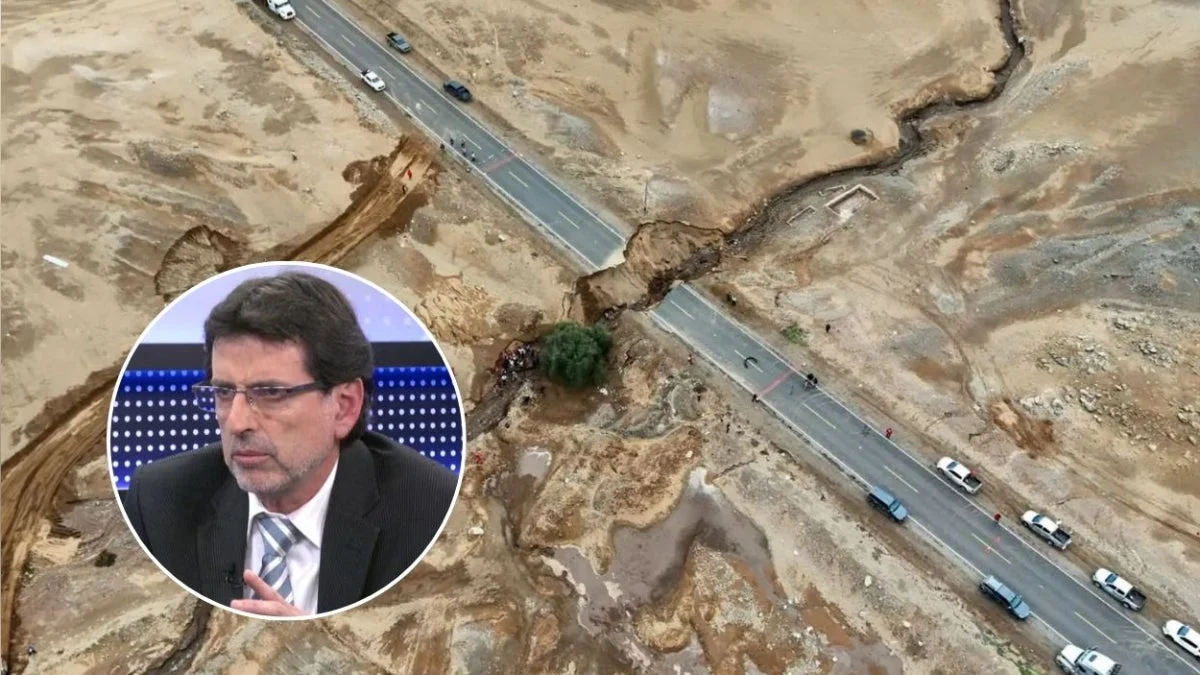
The focus of the private sector is not arbitrary; it is based on mapping the most vulnerable points of the national geography. In Piura, the situation is particularly dire, with the riverbed of the Piura River and its surrounding banks identified as critical failure points.
Key Intervention Zones
- The Piura Riverbed: Systematic cleaning and reinforcement of the riverbanks are essential to prevent the catastrophic flooding that has paralyzed the region in past decades.
- The Chutube Canal: This specific infrastructure project has been identified as a priority for the safe diversion of river waters into the Pacific Ocean. Its current state of maintenance is considered insufficient to handle a potential overflow, making its immediate intervention a top priority for the business community.
Zapata has issued an open invitation to national enterprises to commit to specific work fronts. By fragmenting the burden of labor and investment, the private sector aims to complete these essential tasks in the few months remaining before the peak of the climate event.
Economic Implications: Forecasting a GDP Shock
The economic consequences of a severe El Niño are already beginning to manifest, serving as a grim preview of what could occur if preventive measures fail.
Current Sectoral Impact
- Fisheries: The fishing industry is arguably the most immediate victim. The warming of the coastal waters has already led to the suspension of fishing seasons, as the availability of key hydrobiological resources has plummeted.
- Agriculture: Farmers are reporting that climate anomalies are affecting both the size and quality of their crops, which threatens the stability of the agro-export chain.
The Macroeconomic Toll
Zapata noted that while professional economists will provide the final tally, preliminary estimates suggest that a severe El Niño could shave between 1% and 1.5% off the nation’s Gross Domestic Product (GDP). This contraction would not only affect the primary sectors but would trigger a ripple effect across retail, logistics, and manufacturing.
However, the Confiep president remains cautiously optimistic, noting that if the state and private sector work in lockstep, robust business investment and restored market confidence could help mitigate the overall economic blow.
Multi-Stakeholder Coordination: A Global Effort
Recognizing that the challenge exceeds the capacity of any single entity, the private sector is building a broad coalition. The coordination effort is currently being spearheaded by Carlos Neuhaus, a figure recognized for his expertise in large-scale logistics.
Collaborative Pillars
- Hombro a Hombro: This organization serves as the primary conduit for private sector donations and operational aid. It acts as a bridge between corporate resources and the government’s emergency response teams.
- International Diplomacy: During the Piura meetings, which included representatives from the U.S. Embassy and various multilateral organizations, the conversation expanded to include international assistance. A key point of discussion was the potential deployment of a U.S. hospital ship, which would provide critical medical support if local infrastructure is overwhelmed.
- Regional Cooperation: The involvement of regional authorities and chambers of commerce ensures that the interventions are not just top-down decisions, but are informed by local realities and specific geographic needs.
Beyond the Crisis: Structural Reform
While the immediate focus is on disaster prevention, the Confiep has used this moment to advocate for broader structural reforms that they argue will strengthen the Peruvian economy in the long term.
Labor and Tax Formalization
Zapata addressed the government’s request for legislative powers, suggesting that the business sector would fully support measures aimed at simplifying the tax and labor landscapes. The focus, according to Confiep, should be on formalizing the micro and small enterprise (MYPE) sector. By simplifying tax regimes and shifting from a punitive to an "inductive and educational" inspection model, the government could significantly lower the barrier to entry for the informal workforce.
The Defense of Agro-Exports
The debate over the agro-export promotion regime has been a contentious issue in recent years. Zapata defended the sector vigorously, pointing to the astronomical growth from $500 million to nearly $15 billion in annual exports over the last 15 years. He warned against tampering with a proven success story, suggesting that the goal should be to scale this industry further—to $30,000 or $50,000 million—rather than risking its viability with tax hikes.
Streamlining the State
In a move that will likely spark further political debate, the Confiep president proposed a consolidation of the ministerial cabinet. By merging ministries such as Culture and Education, or the Ministry of Development and Social Inclusion (MIDIS) with the Ministry of Women and Vulnerable Populations (MIMP), the government could potentially reduce bureaucratic redundancy. "I believe there is space, at the very least, to debate this," Zapata noted.
Chronology of Action
- Recent Weeks: Continuous monitoring of sea temperatures confirms a high probability of a strong El Niño.
- August: High-level meetings in Piura bring together the private sector, regional authorities, and international diplomats.
- September 1st (Scheduled): A critical follow-up meeting by the Confiep is slated to define specific corporate commitments, finalize the logistics for humanitarian supplies, and solidify the operational roadmap for the "Services for Taxes" proposal.
Conclusion: A Call for Unity
The message from the Confiep is clear: the climate event is an inevitable challenge, but the magnitude of the disaster is not. By leveraging the agility of the private sector, the logistical power of international partners, and the authority of the state, Peru has a narrow window to "mitigate the damage to the best of our ability," as Zapata stated.
The upcoming September summit is expected to be a turning point, transforming general concerns into concrete, actionable commitments. The success of these efforts will depend heavily on whether the government chooses to grant the legislative agility the private sector is requesting, or if bureaucratic inertia will once again hinder the nation’s ability to protect its most vulnerable regions.
As the calendar moves toward the peak of the season, the partnership between the public and private sectors in Peru faces its most significant test in recent years. The focus remains steadfast: protect the infrastructure, feed the supply chains, and ensure that when the rains arrive, the country is prepared to endure.