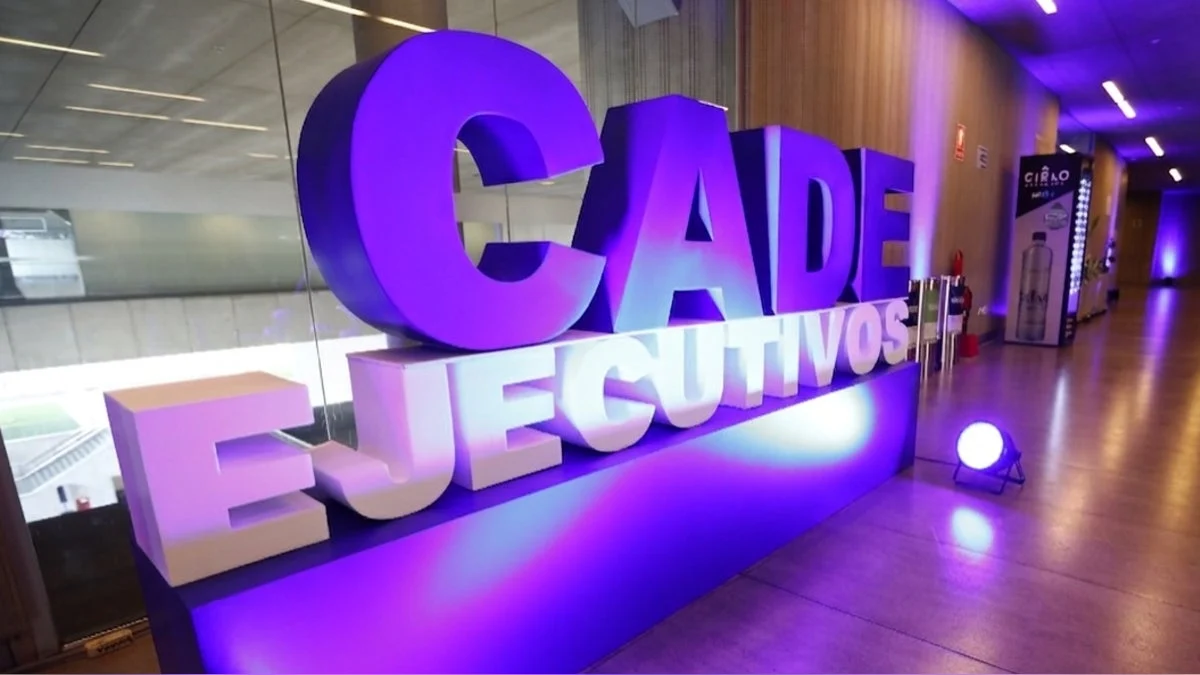
The 64th edition of CADE Ejecutivos, Peru’s premier business forum, is set to convene from November 24 to 26, 2026. Against the backdrop of the majestic Andes in Cusco, the event—themed "United to Advance" (Unidos para Avanzar)—seeks to bridge the deep-seated divides that have hindered national progress. With a focus on decentralization, economic resilience, and long-term state policy, this year’s assembly represents a pivotal moment for a country grappling with political volatility and the urgent need for structural reform.
Main Facts: A Forum of Strategic Convergence
The 2026 edition of CADE will be hosted at the Plaza Yanahuara Convention Center within the "Virgen de VIDAWASI" Children’s Health Citadel in Urubamba, Cusco. This marks the fifth time the event has been held in the Imperial City, a deliberate choice by organizers, IPAE Acción Empresarial, to underscore the necessity of moving the conversation beyond the centralized corridors of Lima.
The forum is structured around four thematic pillars designed to dissect the multifaceted challenges facing the nation:
- The Necessity of Unity: Addressing systemic polarization, public distrust, pervasive informality, and territorial inequality.
- Growth from the Regions: Exploring the untapped potential of regional economies, focusing on decentralized investment, efficient use of fiscal budgets, and the role of mining canons.
- Growth in a Globalized World: Identifying Peru’s competitive edge in critical minerals, food security, and energy transition.
- Advancing Together: Crafting mechanisms for seamless coordination between the private sector, regional governments, and central authorities.
Chronology and Context: The Path to 2026
The trajectory of CADE Ejecutivos has mirrored the economic history of modern Peru. Since its inception, the forum has served as a barometer for the relationship between the state and the private sector. The 2026 edition arrives at a uniquely sensitive juncture: the country is undergoing a transition of both national and regional authorities, a "new beginning" as described by event president Rolando Arellano Cueva.
- Pre-Event Phase (Late 2025 – Early 2026): IPAE began intensive consultations with civil society and regional leaders to draft the "Vision for the Country 2050." This document, which will be unveiled during the forum, serves as the backbone of the discussions, moving away from short-term political fixes toward a multi-decade development roadmap.
- The November Assembly (Nov 24-26, 2026): The core event will feature high-level plenary sessions, breakout workshops, and networking events aimed at fostering direct dialogue between ministerial cabinets and business leaders.
- Post-Event Implementation (Dec 2026 onwards): The goal is to institutionalize the agreements reached in Urubamba, ensuring that the recommendations provided by experts—including those from the World Bank and the Inter-American Development Bank (IDB)—are integrated into the 2027 fiscal planning cycle.
Supporting Data: The Anatomy of the Challenge
To understand the urgency of the CADE 2026 agenda, one must look at the data currently defining the Peruvian economic landscape.
The Informality Trap
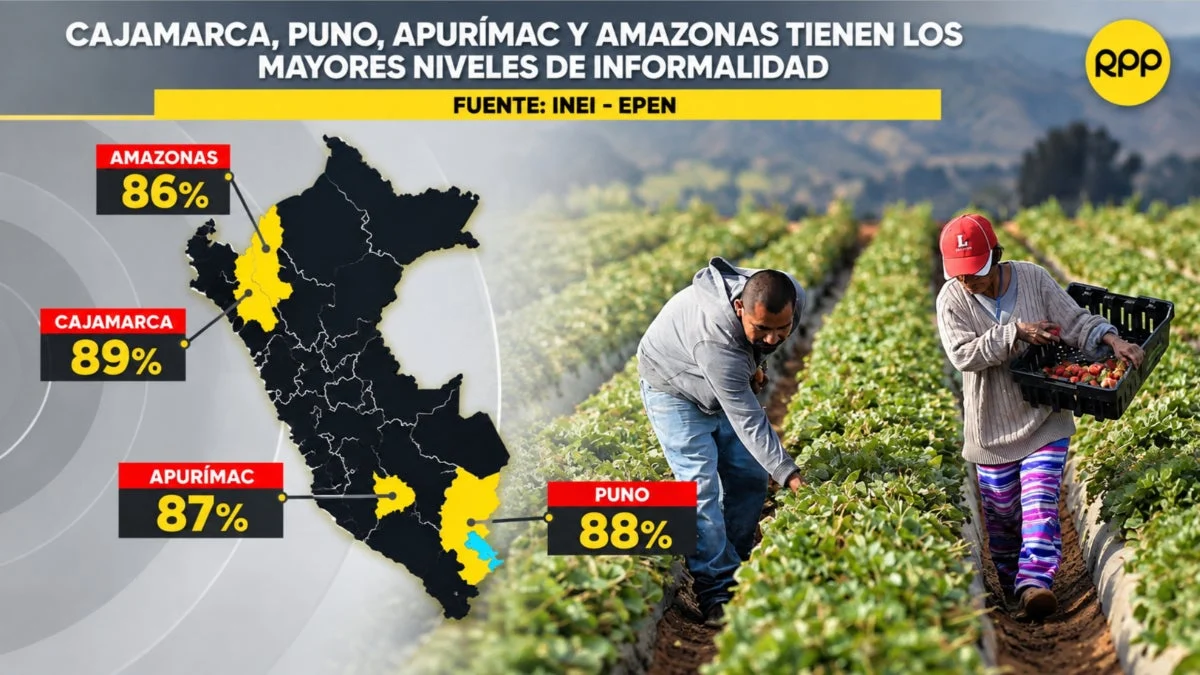
Recent indicators show that approximately 84% of the active workforce in certain sectors remains trapped in the informal economy. This lack of formal integration limits tax revenue, restricts access to credit for SMEs, and denies millions of workers social protection. The forum will dedicate significant time to discussing how simplified regulatory frameworks can act as a catalyst for formalization.
Regional Disparities and Investment
While Lima continues to concentrate a significant portion of GDP, the regions hold the keys to the country’s future export competitiveness. Peru currently produces over 50% of the critical minerals required for the global energy transition. However, the conversion of this wealth into regional infrastructure remains sluggish. The forum will examine why budgets for regional development often remain unspent or misallocated, proposing models for better administrative efficiency.
Global Market Integration
The shift toward a "green economy" presents a unique opportunity for Peru. By leveraging its supply of copper, lithium, and other critical minerals, the country is positioned to become a strategic partner for the European Union and North America. CADE 2026 will host sessions on how to align national industrial policy with these global value chains, ensuring that Peru does not merely export raw materials but adds value within its own borders.
Official Responses and Stakeholder Perspectives
The significance of CADE 2026 is underscored by the high-caliber speakers slated to attend.
Gonzalo Galdos, President of IPAE Acción Empresarial, emphasized that the current climate requires more than just economic discourse; it requires a commitment to a vision that transcends electoral cycles. "We have urgent challenges in health, security, and growth that require a joint effort between the state, the private sector, and civil society," Galdos noted during the program’s presentation.
Rolando Arellano Cueva, President of CADE 2026, framed the event as an essential opportunity for institutional reset. "We are in a context of changing authorities; this is the moment to define what kind of country we want to build for the next generation," he stated.
Key Institutional Participants:
- Julio Velarde (President of the BCRP): Expected to provide a sobering yet hopeful analysis of monetary stability and the prerequisites for sustaining economic recovery.
- Elmer Cuba (Minister of Economy and Finance): Will lead discussions on fiscal responsibility and the 2027 budget, which will be under the scrutiny of the new bicameral commission.
- International Representatives: Sergio Díaz-Granados (CAF) and Ilan Goldfajn (IDB) will offer a regional perspective on Latin America’s role in the global economy, highlighting the need for increased intra-regional trade and infrastructure connectivity.
Implications: A New Social Contract?
The implications of CADE 2026 extend far beyond the business community. If the forum succeeds in producing a actionable "Vision 2050," it could serve as a non-partisan blueprint for the next administration.
The Political-Economic Nexus
The presence of political leaders, including the President of the Republic, suggests that the forum is moving toward a "Social Contract" model. In previous years, the divide between the executive branch and the private sector was marked by suspicion. This year, the focus on "United to Advance" signals a tacit agreement that neither the state nor the private sector can solve the issues of crime, infrastructure, and poverty in isolation.
The Regionalization of Prosperity
The decision to hold the event in Urubamba is symbolic. It serves as a reminder to investors that the engine of Peru’s future is not located exclusively in the business districts of Lima, but in the regions. By forcing a dialogue between regional governors and CEOs, the event aims to create a "bottom-up" approach to development. If the discussions lead to clearer, more transparent protocols for public-private partnerships, the long-term impact could be a significant reduction in the territorial gaps that have historically fueled social unrest.
Conclusion: A Test of Resilience
As the clock ticks toward November 24, the pressure on the organizers to deliver concrete outcomes is palpable. The success of CADE 2026 will not be measured by the eloquence of its speeches, but by the extent to which its "Vision 2050" is adopted by the political class and supported by the business community.
In a world defined by uncertainty, Peru has the potential to carve out a path of stability and sustainable growth. The 64th edition of CADE is not just a meeting of minds; it is a critical attempt to align the interests of a fractured nation toward a common horizon. For the Peruvian economy, the days in Urubamba could prove to be the turning point for a decade of regained momentum.