In a decisive move to safeguard the backbone of the national economy, the Peruvian government has unveiled a comprehensive suite of emergency measures aimed at shielding the fishing, aquaculture, and textile sectors from the devastating impacts of the El Niño phenomenon. As sea temperatures continue to climb, threatening the stability of marine ecosystems and the livelihoods of thousands of producers, Minister of Production Juan Carlos Requejo has signaled a multi-pronged strategy designed to provide immediate financial relief and long-term structural resilience.
The declaration of a state of emergency serves as the cornerstone of this initiative, granting the Ministry of Production (Produce) the necessary legal framework to flex financial obligations, redirect regional resources, and implement administrative safeguards that prevent the collapse of businesses currently struggling under the weight of climate-induced losses.
The Scope of the Crisis: A Sector in Flux
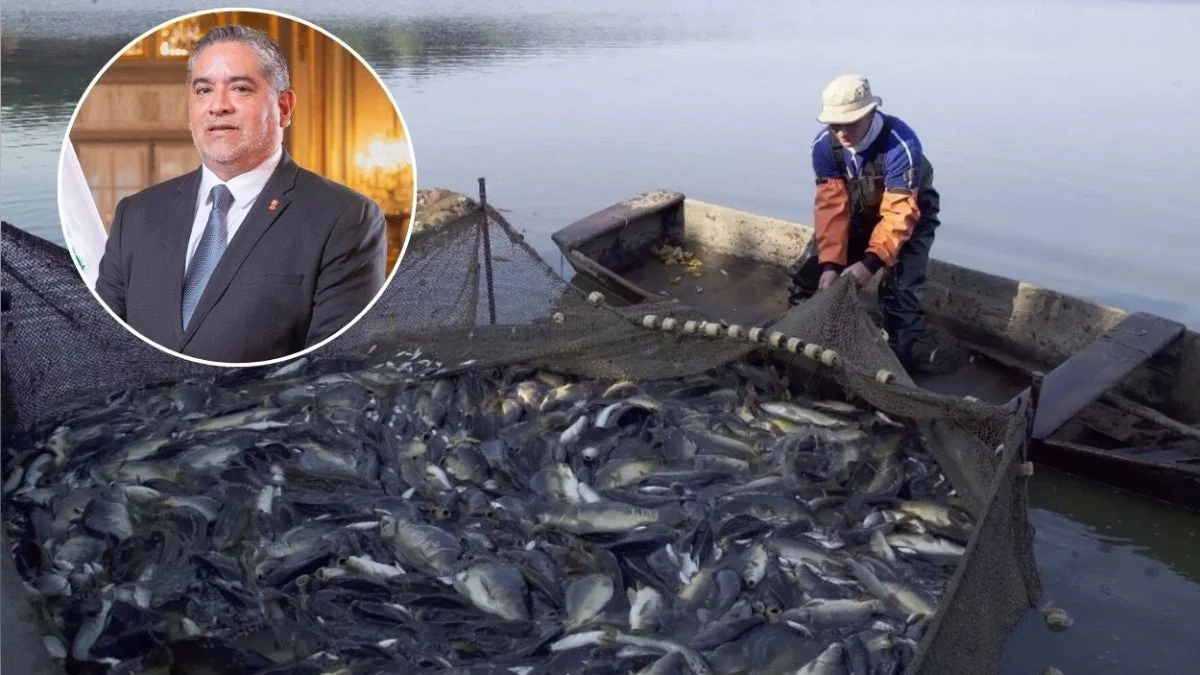
The warming of the Pacific waters—the hallmark of the El Niño phenomenon—has triggered a biological shift that has sent shockwaves through the Peruvian economy. Species that typically thrive in cooler currents are migrating or facing reproductive challenges, causing a direct contraction in the output of the aquaculture sector. Specifically, the production of scallops (concha de abanico) and shrimp in the northern regions has seen a sharp decline, threatening the viability of these essential export chains.
In the highlands, the environmental volatility is equally palpable. In Puno, extreme weather events, including unseasonable winds, have severely impacted trout farming, a vital industry for small-scale producers. The interplay between shifting ocean currents and unpredictable climate patterns has created a "perfect storm" for the nation’s primary producers, who now find themselves grappling with both lost production capacity and the looming threat of financial insolvency.
Chronology of Government Intervention
The government’s response has been characterized by a transition from reactive assessment to proactive intervention.
- Initial Assessment Phase: Following reports of rising sea temperatures, the Instituto del Mar del Perú (Imarpe) commenced a series of scientific surveys to map the migration patterns of marine life and assess the impact on biodiversity.
- Scientific Validation: Recent collaborative efforts between Produce and the industrial fishing sector yielded critical data on the biomass of key species, leading to the identification of 43 "opportunity resources"—alternative species that artisanal fishermen can target to mitigate their losses.
- The Emergency Decree: Faced with mounting economic pressure, the Ministry of Production moved to formalize a state of emergency, enabling the relaxation of administrative procedures and the potential for a debt-relief framework.
- The Financial Buffer: Currently, the ministry is in advanced negotiations with the Superintendencia de Banca, Seguros y AFP (SBS) to establish mechanisms that prevent companies from falling into arrears, offering a specialized treatment for existing credit lines to ensure the continuity of business operations.
Supporting Data: Scientific Evidence as a Roadmap
Minister Requejo has emphasized that every policy decision is rooted in rigorous scientific evidence. The identification of 43 alternative resources by Imarpe is not merely a stopgap measure; it represents a strategic pivot for artisanal fishing. Among the most promising developments is the scientific approval for the industrial and artisanal harvesting of giant squid (pota), a species whose increased presence provides a vital economic cushion for those who have lost income from traditional catches.
Furthermore, the government is utilizing data from the Procompite program—a regional competitive fund—to evaluate how resources can be directly injected into the recovery of operational capacity for affected aquaculture businesses. In the trout sector, the Fund for the Development of the Fishing Industry (Fondepes) has already been deployed to provide credit lines to small-scale producers, with discussions currently underway with the Ministry of Economy and Finance (MEF) to expand these funds should the crisis deepen.
Official Responses and Financial Mechanisms
The government’s strategy is built upon the pillars of flexibility and coordination. Minister Requejo has been unequivocal in his messaging: the goal is to protect the continuity of production chains at all costs.
Debt Relief and Financial Flexibility
The administration is coordinating with the SBS to provide "special treatment" for credits held by fishing and aquaculture firms. The objective is to allow for debt restructuring and grace periods that prevent businesses from being categorized as "non-performing" during this period of forced inactivity. By alleviating the pressure of immediate repayment, the state hopes to prevent a wave of bankruptcies that could lead to mass layoffs.
Regional Empowerment
A critical component of the emergency decree is the devolution of power to regional and local governments. By allowing these authorities to redirect their budgets toward mitigation programs, the central government is ensuring that aid reaches the most remote areas of the country. This includes the flexibility to use regional funds to help businesses recover their operational capacity through both reimbursable and non-reimbursable financial mechanisms.
Administrative and Regulatory Relief
To further support the sector, the government has moved to relax administrative procedures and implement a "differentiated treatment" for fines. Under normal circumstances, these penalties can cripple a business facing a production slump; under the current emergency, the state aims to ensure that regulatory enforcement does not become an existential threat to the producers it is tasked with regulating.
Beyond the Sea: The Textile Sector and Urban Opportunities
The economic repercussions of El Niño have spilled over into the manufacturing sector, particularly the textile industry. The absence of a traditional winter season has led to an inventory crisis, as the demand for cold-weather apparel has plummeted. In response, the Ministry of Production is working with the MEF to design a package of measures that includes parametric insurance and specialized financing to help textile firms manage their excess stock and pivot their production models.
However, the Minister has also highlighted the importance of viewing the crisis through a lens of potential growth. He noted that the state’s massive reconstruction efforts—aimed at closing infrastructure gaps exacerbated by the weather—will act as a stimulus for the construction sector, creating jobs and demand for local materials.
Furthermore, the upcoming visit of Pope Francis has been identified as a significant economic opportunity. Produce is currently facilitating training programs for micro and small enterprises (mypes) in the hospitality, catering, and commerce sectors, equipping them with tools in e-commerce, branding, and artificial intelligence. By leveraging these modern technologies, the government aims to ensure that small businesses can capitalize on the surge in visitors, effectively turning a climate-driven crisis into a catalyst for digital transformation and service-sector growth.
Implications for the Future
The current situation presents a litmus test for the resilience of the Peruvian economy. The integration of scientific research with financial policy represents a modern approach to governance in the face of climate change. By prioritizing the protection of the productive base—rather than merely providing temporary welfare—the government seeks to maintain the structural integrity of the nation’s key industries.
As the Ministry of Production continues to tour the country’s main fishing hubs, the message remains clear: the state is prepared to work "hand-in-hand" with producers to weather the storm. The success of these measures will depend on the continued coordination between the SBS, the MEF, and regional governments, as well as the ability of the private sector to adapt to the changing marine environment.
In conclusion, while El Niño poses a significant challenge, the proactive response by the Peruvian government suggests a path forward that balances immediate relief with strategic planning. By fostering innovation in the artisanal fishing sector, providing a financial lifeline to aquaculture, and incentivizing growth in the service and textile industries, Peru is demonstrating that with the right combination of scientific evidence and decisive policy, a nation can not only survive a climate crisis but also prepare itself for a more agile and resilient future. The path ahead is undoubtedly difficult, but the commitment to evidence-based decision-making and sector-wide support provides a robust foundation for recovery.