Executive Summary: A Diplomatic Milestone
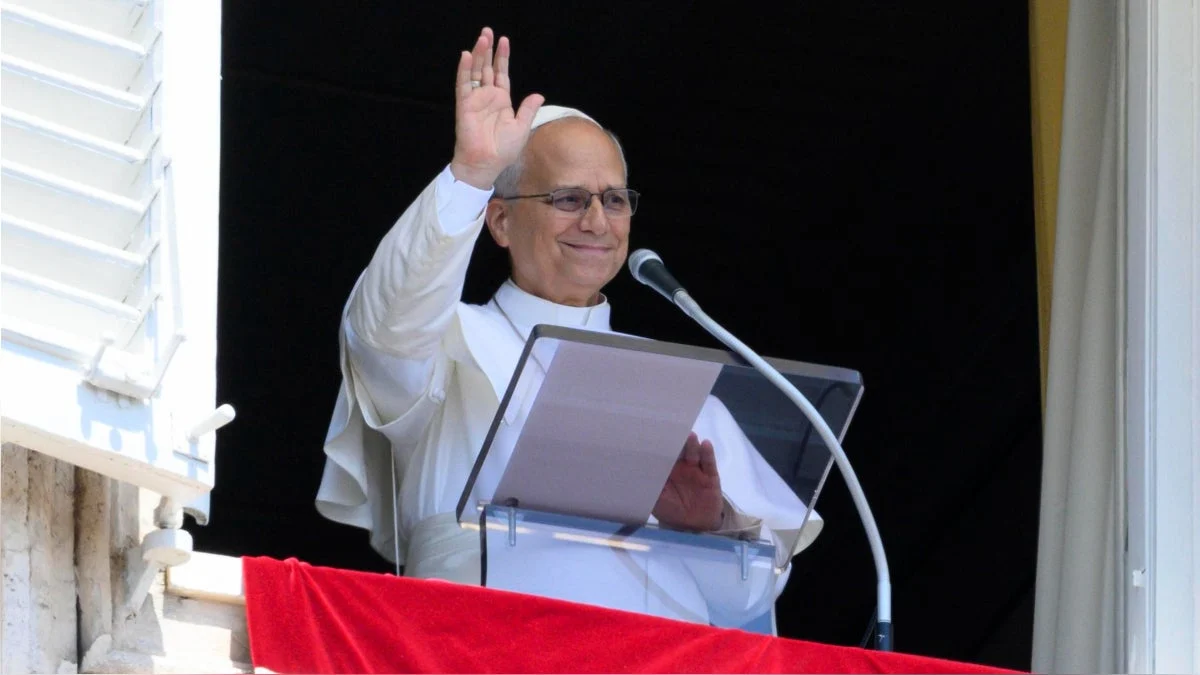
The Peruvian government has taken a decisive step in the coordination of the highly anticipated apostolic journey of Pope Leo XIV. Through a Supreme Resolution published in an extraordinary edition of the official gazette El Peruano, the Ministry of Foreign Affairs has formally designated Minister Counselor Rodrigo Hernán Boluarte Chávez as the lead official responsible for the logistical and diplomatic oversight of the papal visit.
This appointment serves as a linchpin in the state’s preparation efforts, granting Boluarte Chávez the necessary legal and administrative authority to manage the complex inter-institutional requirements of a visit of this magnitude. With the Pope scheduled to arrive in Peru from November 11 to 17, 2026, the government is accelerating its efforts to ensure that every aspect of the itinerary—spanning four major cities—is executed with precision and solemnity.
The Appointment: Empowering Diplomacy
The designation of Rodrigo Hernán Boluarte Chávez is not merely a bureaucratic formality; it is a strategic maneuver designed to streamline the vast array of responsibilities required for a state-level religious visit. As a senior diplomat, Boluarte Chávez brings a wealth of experience to the role, which is critical given the multifaceted nature of the Pope’s upcoming tour.
Scope of Authority
Under the terms of the Supreme Resolution, the Ministry of Foreign Affairs has endowed Boluarte Chávez with broad executive powers. His mandate includes, but is not limited to:
- Contractual Capacity: The authority to sign management, collaboration, and cooperation agreements, as well as sponsorship contracts and their respective addenda, with both domestic and international public and private entities.
- Legal Representation: Serving as the formal representative of the Ministry before national and international organizations to initiate administrative procedures, manage bureaucratic hurdles, and submit official documentation.
- Operational Coordination: Acting as the primary liaison between the Holy See’s advance teams and the various Peruvian government ministries tasked with infrastructure, security, and public health.
By centralizing these functions, the Peruvian government aims to avoid the logistical bottlenecks that often accompany large-scale international events, ensuring that the preparation process remains transparent and efficient.
Chronology of Preparations: A Multi-Phase Approach
The journey toward the 2026 papal visit has been characterized by meticulous planning and significant political commitment.
Phase I: Initial Invitations and Official Interest (Early 2026)
The process began with a formal invitation from the Peruvian state, reflecting the government’s desire to strengthen ties with the Vatican. This commitment was solidified when the government officially declared the papal visit a matter of "National Interest." This legal classification is significant, as it allows for the mobilization of state resources and inter-ministerial cooperation that would otherwise be restricted by standard administrative timelines.
Phase II: Defining the Geography of Faith
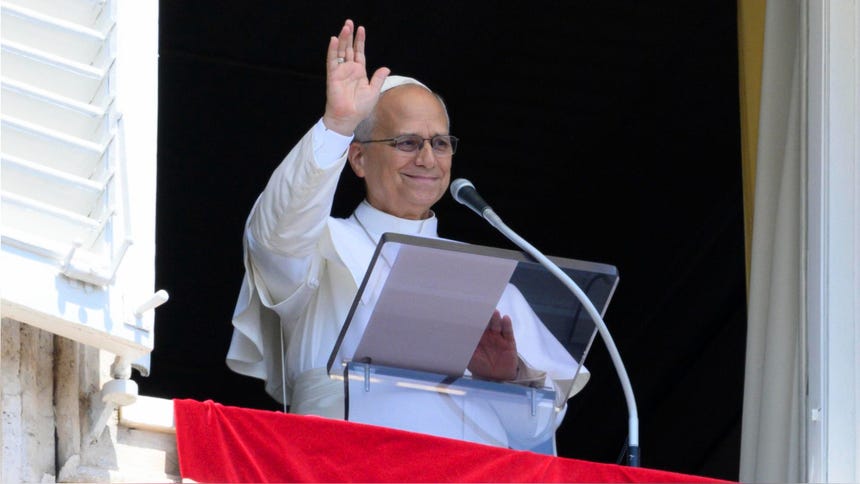
The itinerary for Pope Leo XIV’s tour has been carefully curated to reflect both the spiritual and social diversity of the nation. The confirmed itinerary covers four critical regions:
- Lima: The capital city, which will serve as the hub for major state ceremonies and the culminating mass.
- Chiclayo: A symbolic stop in the north, focusing on community outreach and regional engagement.
- Cusco: Representing the historical and cultural heart of the Andes, where the Pope is expected to engage with indigenous communities.
- Pucallpa: A visit to the Amazon region, underscoring the Holy See’s commitment to environmental stewardship and the plight of remote jungle populations.
Phase III: The Current Coordination Phase (August – October 2026)
With the appointment of Boluarte Chávez, the focus has shifted toward the "Advance Teams." These groups, consisting of Vatican representatives and local officials, are currently finalizing the logistical specifics of each stop, including site security, transport, and the high-profile mass to be held at the Las Palmas Air Base on November 16.
Supporting Data and Logistical Infrastructure
The scale of a papal visit requires an unprecedented level of mobilization. The Peruvian Ministry of Foreign Affairs, in collaboration with the Ministry of Defense and the Ministry of the Interior, is currently evaluating the security and logistical requirements for each location.
The Las Palmas Mass
The centerpiece of the visit, a massive public mass at the Las Palmas Air Base, requires significant engineering support. Plans include the construction of temporary grandstands, high-fidelity audio systems for mass communication, and rigorous crowd control measures. The Chancellor has confirmed that this event will be the focal point of the Lima leg, expected to draw hundreds of thousands of pilgrims from across the region.
Administrative Streamlining
The government has emphasized that the declaration of "National Interest" is not merely symbolic. It triggers a "fast-track" status for administrative procedures related to the visit. This means that permits for construction, road closures, and public safety initiatives are subject to prioritized review, a necessity for a six-day itinerary that spans the length of the country.
Official Responses and Political Implications
The decision to appoint a dedicated diplomat to this role has been met with broad support from various sectors, including the Catholic Church in Peru and the diplomatic community.
The Ministry’s Stance
"The complexity of this visit cannot be understated," a representative from the Foreign Ministry stated during a recent press briefing. "By appointing an official of Minister Counselor Boluarte Chávez’s caliber, we are signaling to the Holy See that Peru is prepared to manage this visit with the highest level of professionalism and diplomatic protocol. We are not just hosting a world leader; we are hosting a global spiritual authority."
Civil Society and Public Reception
For the public, the announcement of the itinerary and the specific designation of a lead coordinator has shifted the mood from anticipation to active preparation. Religious groups, parish organizations, and local government officials are already forming volunteer committees. The visit is expected to provide a significant boost to national morale and is seen as an opportunity for Peru to project a positive image on the global stage.
Implications: A Diplomatic and Social Catalyst
The visit of Pope Leo XIV, set for November 2026, carries profound implications for Peru’s international standing and domestic policy.
Strengthening International Ties
A successful papal visit is often viewed as a "soft power" victory. By facilitating a smooth and impactful visit, the Peruvian government strengthens its ongoing diplomatic dialogue with the Vatican. This relationship is particularly important given the Holy See’s influential role in global humanitarian issues, including climate change and poverty alleviation.
Domestic Cohesion
Historically, papal visits to Peru have served as moments of national reflection and social unity. By covering diverse regions like the Amazon (Pucallpa) and the Andes (Cusco), the government is intentionally broadening the reach of the visit to include populations that often feel marginalized from the political center in Lima. The appointment of Boluarte Chávez ensures that these peripheral visits are given as much logistical attention as the metropolitan events, preventing any perception of favoritism or neglect.
Economic and Logistical Challenges
While the government views the visit as a success, there are inherent challenges. The logistical strain on the Peruvian police force, the medical system, and the national infrastructure will be immense. The "National Interest" designation allows the state to allocate emergency funds to cover these costs, but the scrutiny of these expenditures will be high. Boluarte Chávez’s role in managing these funds and the associated sponsorship agreements will be under the constant watch of auditors and the media.
Conclusion: Toward November 2026
As the countdown to November 11, 2026, continues, all eyes are on the organizational machinery led by Rodrigo Hernán Boluarte Chávez. The appointment represents a shift from general planning to granular execution.
With the framework now established, the coming months will see a flurry of activity as the government, the Church, and civil society work in unison. The success of the visit will ultimately depend on the seamless integration of these disparate groups—a task for which the Ministry of Foreign Affairs is now fully prepared. The visit of Pope Leo XIV is poised to be a defining moment for Peru in 2026, and the meticulous preparations currently underway ensure that the nation is ready to welcome the Supreme Pontiff with the dignity and logistical excellence the occasion demands.