Introduction: A High-Stakes Economic Shift
The Peruvian labor landscape stands at a critical juncture as the government prepares to formalize a significant adjustment to the Remuneración Mínima Vital (RMV)—the country’s legal minimum wage. The proposal, which seeks to elevate the floor from the current S/1,130 to S/1,300, has become a focal point of national debate. As the Ministry of Labor and Employment Promotion (MTPE) prepares to initiate formal tripartite discussions, the administration faces the delicate task of balancing the rising cost of living for workers against the operational sustainability of the nation’s micro and small enterprises (MYPES).
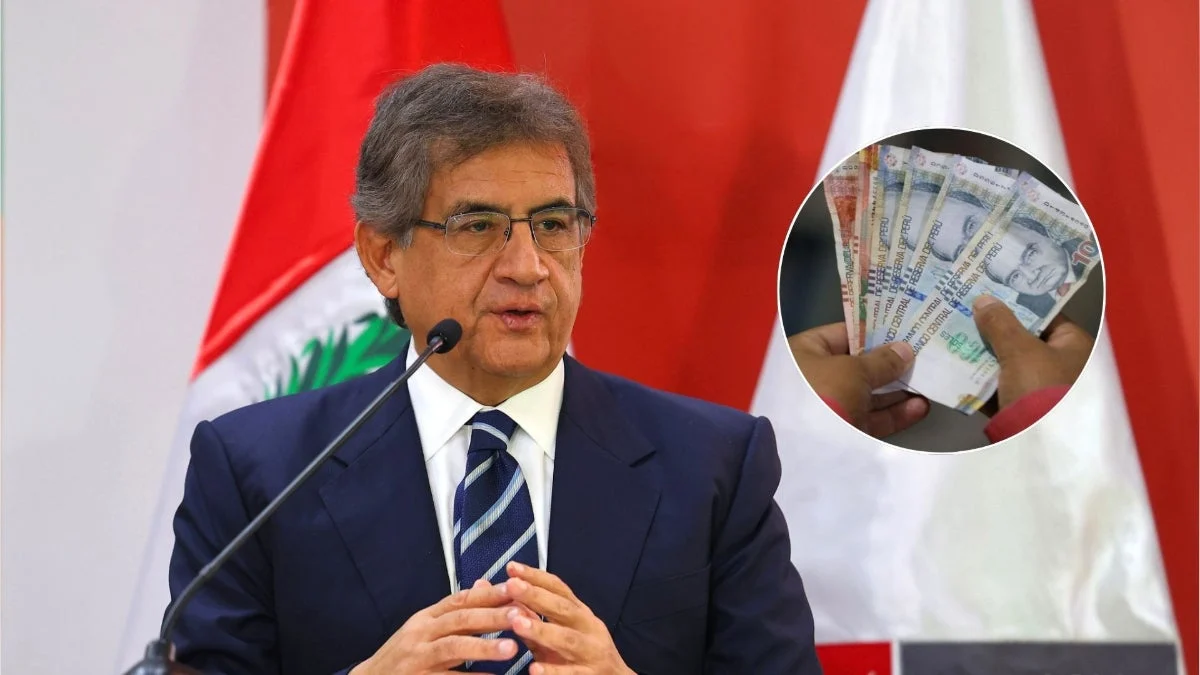
While the political intent to raise the wage is clear, the technical execution remains shrouded in uncertainty. Minister of Labor Juan Sheput recently clarified that despite the ambitious target, a definitive timeline for the implementation has yet to be solidified, deferring to the collaborative processes of the National Labor Council (CNT).
Main Facts: The Current Status of the Proposal
The core of the current policy initiative revolves around a phased increase of the minimum wage to S/1,300. This move, originally signaled as a cornerstone of the administration’s economic platform, is intended to provide a financial cushion for thousands of formal sector employees.
However, Minister Sheput emphasized that the government is committed to a process of social dialogue. "We have observed a full willingness from both business owners and labor unions to move this issue forward," Sheput stated during a recent press conference. Despite this optimism, he cautioned that no specific month has been set for the implementation, effectively decoupling the policy from previous, more rigid timelines suggested by other cabinet members.
The strategy includes a two-part implementation phase, designed to mitigate the shock to the labor market. Central to this approach is the recognition that a wage hike cannot exist in a vacuum; it must be supported by compensatory mechanisms, particularly for the MYPE sector, which remains the backbone of the Peruvian economy but also the most vulnerable to sudden spikes in overhead costs.
Chronology: A Timeline of Evolving Expectations
To understand the current state of the RMV increase, one must examine the progression of the policy:
- July 28, Independence Day Address: President Keiko Fujimori officially announced the intention to raise the minimum wage to S/1,300. The announcement was paired with the promise of a "MYPE Bonus," intended to alleviate the fiscal burden on smaller businesses.
- August Preliminary Estimates: Minister of Economy and Finance Elmer Cuba provided a tentative roadmap, suggesting a first installment of S/100 to be enacted between October and November, with a second installment of S/70 to follow once the economic volatility associated with the El Niño phenomenon subsides.
- Late August Clarifications: Minister Sheput corrected the trajectory, clarifying that the MTPE—not the Ministry of Economy—holds the mandate for these negotiations. He redirected the focus to the National Labor Council, pushing the start date for formal, legally binding discussions to September 3.
- September 3 and Beyond: This date marks the beginning of formal tripartite negotiations. The outcome of these meetings will ultimately dictate whether the government follows the timeline proposed by Minister Cuba or establishes a new, more flexible schedule.
Supporting Data and Economic Context
The economic rationale behind the S/1,300 threshold is multifaceted. Inflationary pressures in recent quarters have eroded the purchasing power of the average Peruvian worker. With the cost of basic commodities—including food, fuel, and transport—on the rise, the government argues that a wage adjustment is not merely a policy choice but a social necessity.
However, the opposition and several economic analysts point to the potential for a "formalization trap." If the minimum wage increases too rapidly, businesses that currently operate on the fringes of the formal economy may be forced to shed staff or transition entirely into the informal sector to remain profitable.
The Role of the "MYPE Bonus"
The inclusion of a bonus for micro and small enterprises is a strategic attempt to bridge this gap. By providing fiscal relief or subsidies to these companies, the government hopes to incentivize them to retain their workforce at the new, higher pay scale. The efficacy of this bonus will depend largely on the government’s ability to distribute these funds efficiently without creating an administrative bottleneck that could paralyze smaller firms.
Official Responses and Political Dynamics
The discourse surrounding the RMV increase has highlighted a subtle friction within the cabinet. While Minister Cuba’s approach favored a structured, multi-stage rollout based on climate-related economic forecasts, Minister Sheput’s recent statements emphasize a more consensus-driven path through the CNT.
The Voice of the Private Sector
Business leaders, represented through various chambers of commerce and the CNT, have expressed a guarded optimism. While they acknowledge the need for higher wages, they have consistently warned against "populist measures" that could trigger inflationary spirals. Their support is contingent upon the government’s commitment to productivity-linked wage increases rather than politically motivated ones.
The Voice of the Labor Unions
Labor unions have generally welcomed the proposal but remain impatient regarding the timeline. For them, the gap between the announcement in July and the implementation in September/October represents a period of unnecessary delay. They are pushing for the full S/1,300 to be effective as soon as possible to counteract the rising costs of living.
Implications: The Road Ahead
The decision to bring the RMV issue to the National Labor Council is a strategic move to share the responsibility of the outcome. By involving unions and employers, the MTPE seeks to create a "social contract" that is more resilient to political fluctuations.
Impact on Formalization
The ultimate goal of the increase is to stimulate formalization. The theory is that if the minimum wage is seen as a "living wage," more workers will seek formal employment, and more businesses will find it advantageous to enter the formal tax base to access the accompanying MYPE benefits. If successful, this could broaden the tax base and increase overall social security coverage.
Economic Risks
Conversely, if the increase is implemented poorly, the risks are significant:
- Unemployment: Small businesses may be unable to cover the increased payroll, leading to layoffs.
- Inflation: If businesses pass the increased labor costs directly to the consumer, the purchasing power gain from the wage hike could be negated by rising prices.
- Fiscal Strain: The proposed MYPE bonus requires significant government funding. If the economy slows due to external factors (such as the anticipated El Niño), the government may find itself overextended, struggling to fund both the wage transition and other essential public services.
Conclusion: A Delicate Balance
The road to S/1,300 is paved with both social necessity and economic complexity. As the National Labor Council gathers on September 3, the eyes of the nation will be fixed on the negotiations. For the current administration, the successful implementation of this wage hike is a litmus test for its economic management capabilities.
The shift from a top-down announcement to a tripartite negotiation process suggests that the government has learned the value of consensus. Whether this translates into a sustainable policy that protects the vulnerable while encouraging economic growth remains to be seen. What is certain is that in the coming months, the interplay between ministerial planning, business viability, and worker welfare will define the economic trajectory of Peru. The success of this policy will not be measured by the headline figure, but by the stability and growth of the labor market that remains in its wake.