In a decisive move to accelerate its governance strategy, the administration of President Keiko Fujimori has confirmed that it will present a comprehensive request for legislative faculties to the Congress of the Republic before the conclusion of the current week. This announcement, delivered directly by the President, signals a shift toward a more proactive, high-speed legislative approach, aiming to address the nation’s most pressing crises—specifically public safety—within the first thirty days of the administration’s tenure.
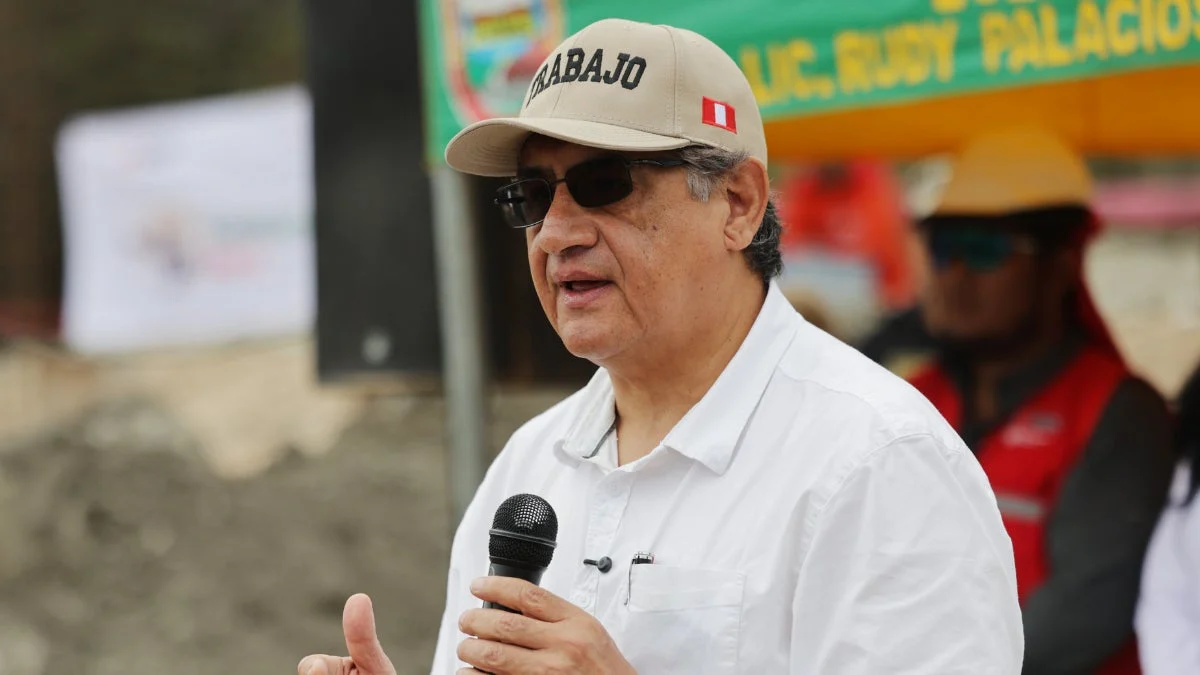
Parallel to the executive’s legislative push, the Ministry of Labor and Employment Promotion, led by Minister Juan Sheput, has unveiled a controversial labor proposal: the consolidation of four major national holidays related to the Armed Forces into a single day of observance. This move, framed by the ministry as a step toward modernization and economic efficiency, has already begun to spark debate regarding the balance between national heritage and labor productivity.
The Legislative Offensive: A Call for Urgent Powers
During a recent Sunday address broadcast across her official social media channels, President Keiko Fujimori confirmed that the Cabinet, under the leadership of Prime Minister Luis Galarreta, is finalizing the document requesting special legislative powers. This request, which the administration describes as "sumptuously broad and duly substantiated," is intended to grant the executive the authority to bypass the standard, time-consuming legislative process to enact urgent reforms.
"The request for faculties will be delivered this week, and we expect the process to be significantly faster than in previous administrations," President Fujimori stated during a live interaction with the public. "We are committed to taking very strong and very firm measures. The approval of these faculties is essential to our strategy for controlling the current surge in criminality."
The President emphasized that the timing of this submission—less than 30 days after taking office—is a testament to the administration’s focus and readiness. She drew a sharp contrast with the historical record of previous governments, noting that the average time taken by prior administrations to present a similar request for faculties was forty-four days. By acting within the first month, the Fujimori-Galarreta administration intends to establish a narrative of "results-oriented governance."
Labor Reform: Consolidating the Calendar
From the northern region of Piura, Minister of Labor Juan Sheput provided further details on the specific labor reforms the executive branch intends to push forward. While the broad scope of the legislative faculties covers public safety and state modernization, the labor sector is prioritizing a structural adjustment to the Peruvian calendar of public holidays.
Minister Sheput confirmed that the government proposes to eliminate four separate holidays currently dedicated to the Armed Forces and replace them with a single, unified national day of commemoration, to be held annually on July 27.
The holidays currently slated for this consolidation include:
- June 7: The Battle of Arica and Flag Day.
- July 23: The Anniversary of the Peruvian Air Force.
- August 6: The Anniversary of the Battle of Junín.
- December 9: The Commemoration of the Battle of Ayacucho.
According to the Ministry, the objective is to reduce the disruption caused by fragmented non-working days, which the current administration argues hinders economic productivity. By concentrating these significant historical dates into a single day, the Ministry of Labor believes it can streamline business operations while still providing the necessary recognition for the nation’s military history.
Chronology of the Executive Push
The progression toward this legislative showdown has been rapid, reflecting the administration’s desire to set the agenda early:
- Early Post-Inauguration: The Cabinet, led by Luis Galarreta, began evaluating the legal bottlenecks preventing immediate action on citizen security and state efficiency.
- Mid-Month (Piura): Minister Juan Sheput traveled to Piura to announce the proposed holiday reforms, setting the stage for the labor component of the legislative package.
- Sunday Broadcast: President Keiko Fujimori officially confirmed the timeline, announcing that the request for faculties would reach Congress by the end of the week.
- Upcoming Thursday: The Council of Ministers is scheduled to meet to finalize the wording of the request and approve the final version of the bill for submission to the legislative branch.
Supporting Data and Rationale
The government’s justification for these urgent powers rests on two pillars: the perception of a security crisis and the necessity of bureaucratic streamlining.
Regarding public safety, the administration points to rising crime rates in major urban centers as the primary driver for the request. By obtaining legislative faculties, the executive intends to modify penal codes and police protocols without waiting for the slow deliberation of congressional committees. This, they argue, is the only way to meet the public’s demand for "tough" measures against organized crime and common delinquency.
From a labor perspective, the proposed reduction of holidays is supported by internal studies from the Ministry of Labor suggesting that Peru maintains a high number of national holidays compared to its regional neighbors. Minister Sheput argues that for a country seeking to boost its GDP and improve labor competitiveness, the current calendar of four distinct military-focused holidays is an economic inefficiency that can be corrected without disrespecting the nation’s historical memory.
Official Responses and Political Friction
The announcement has not been without controversy. While the administration frames the move as "efficient governance," opposition voices are already raising concerns regarding the extent of the powers requested.
Political analysts have noted that the "flexibilization" of labor laws, when bundled with security reforms, suggests a broad attempt to reshape the Peruvian economy and state apparatus under the guise of an emergency. Critics are particularly wary of how the "flexibilization" might impact worker rights, suggesting that the government may be using the public safety narrative as a smokescreen to push through unpopular labor deregulation.
Furthermore, reports of meetings between the President and specific interest groups have added layers of tension. Recent allegations from political figures, such as those made by Valeriano regarding meetings between the President and transport sector leaders who supported her electoral campaign, have prompted questions about the motivations behind these specific legislative priorities. Critics argue that the administration must ensure that the "flexibilization" of labor laws is not designed to benefit specific private interests, but rather to benefit the national economy as a whole.
Implications for the Future
The success of the Fujimori-Galarreta administration hinges on the upcoming vote in Congress. If the legislative branch grants these faculties, the executive will have a significant window of opportunity to enact sweeping changes by decree.
Economic Implications
If the holiday consolidation is successful, the private sector may see a marginal increase in productive hours, though the move is expected to face pushback from historical and nationalist groups who may view the consolidation of the Battle of Ayacucho and the Battle of Junín into a single July date as a dilution of national identity.
Security Implications
The granting of faculties will likely lead to a more militarized or hardened approach to policing. While popular among voters concerned with crime, this strategy carries the risk of social friction if civil liberties are perceived to be compromised in the process.
Political Stability
The speed at which the administration is moving is a double-edged sword. If the reforms yield tangible results in crime reduction, the President’s approval ratings could surge. However, if the "strong and tough" measures lead to bureaucratic overreach or fail to address the underlying causes of crime, the government could quickly lose its political capital.
As the country awaits the official submission of the request this week, all eyes are on the Congressional leadership. The debate over whether to grant the executive branch these extraordinary powers will define the tone of Peruvian politics for the remainder of the year. The administration has made its intent clear: it is opting for speed and decisiveness over the traditional, slow-moving consensus-building of the legislative branch. Whether this strategy will lead to a modernized, safer Peru or a period of intense political polarization remains the central question facing the nation.