By Technology Desk
August 3, 2026
In an era defined by instantaneous digital communication, the reliance on messaging platforms has become absolute. This dependence was thrown into sharp relief on Monday, August 3, 2026, as millions of users across the globe—with significant concentrations in Peru, Colombia, and Mexico—experienced a frustrating, albeit partial, blackout of WhatsApp services. The disruption, which primarily paralyzed the ability to transmit multimedia files, serves as a stark reminder of the fragility of our interconnected digital infrastructure.
The Nature of the Disruption: A Multimedia Freeze
Starting at approximately 4:00 p.m. (Peru time), users began noticing a distinct pattern of failure within the Meta-owned messaging giant. While text messages—the core utility of the platform—appeared to function with relative stability, the transmission of rich media suffered a near-total collapse.
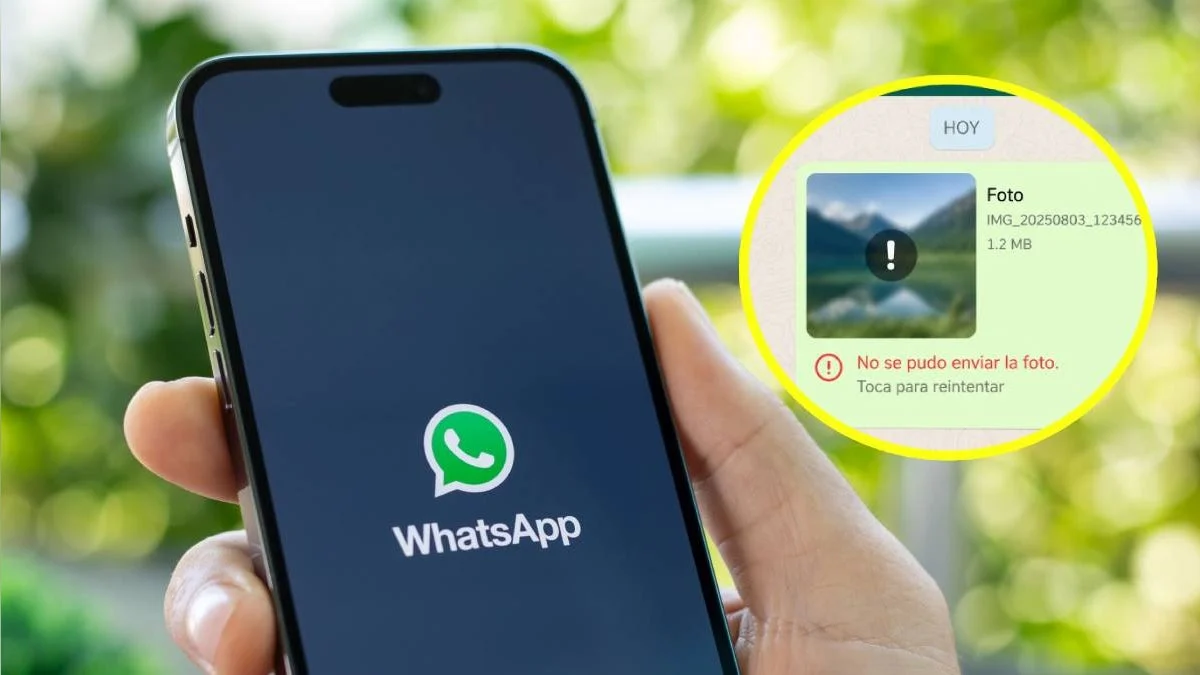
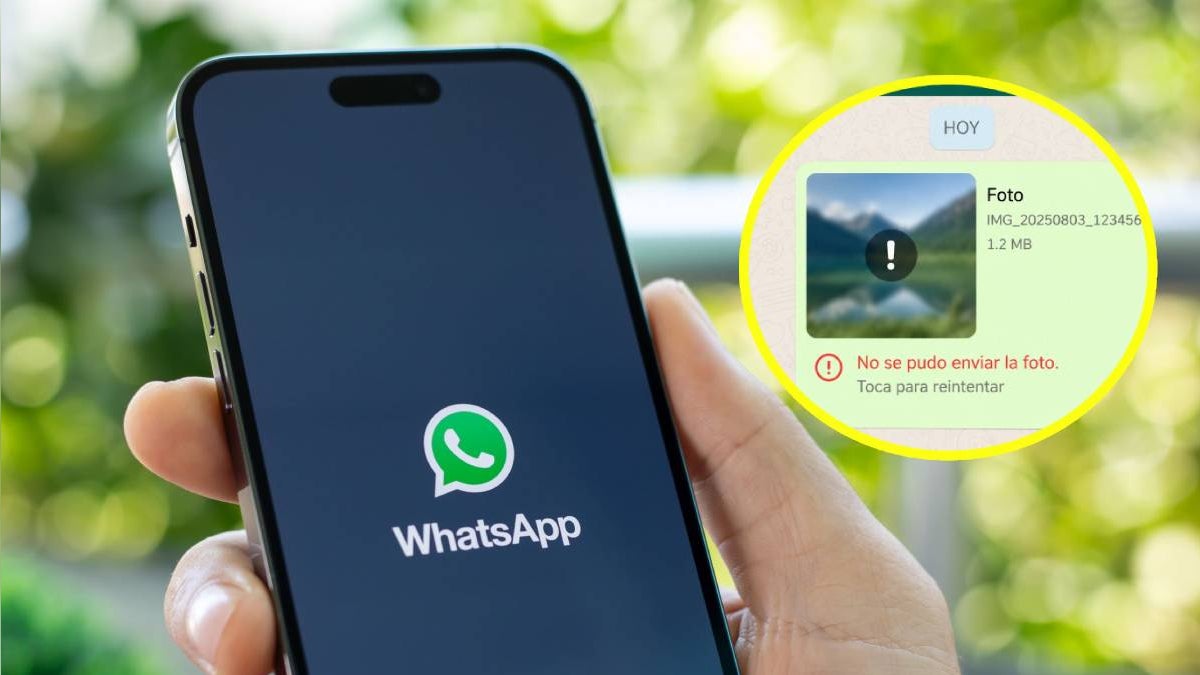
When users attempted to send photographs, videos, or audio files, the application failed to execute the upload. Instead of the familiar "delivered" checkmarks, users were met with a persistent loading animation that eventually defaulted to an error message. This notification explicitly prompted users to "retry" the action, though subsequent attempts yielded identical, unsuccessful results.
The failure was not confined to a single ecosystem. Reports surfaced simultaneously from both the mobile application (on Android and iOS) and the WhatsApp Web interface. This parity in failure across different platforms suggests that the issue originated at the server-side infrastructure level rather than being an isolated incident linked to specific software versions or device hardware.
A Chronology of the Outage
The timeline of the incident reflects the rapid spread of digital distress. By 4:15 p.m., internal monitoring systems were already flagging a spike in error reports.
- 3:50 p.m. (PET): Initial sporadic reports emerge from local users in Lima, Peru, noting difficulty downloading images sent by contacts.
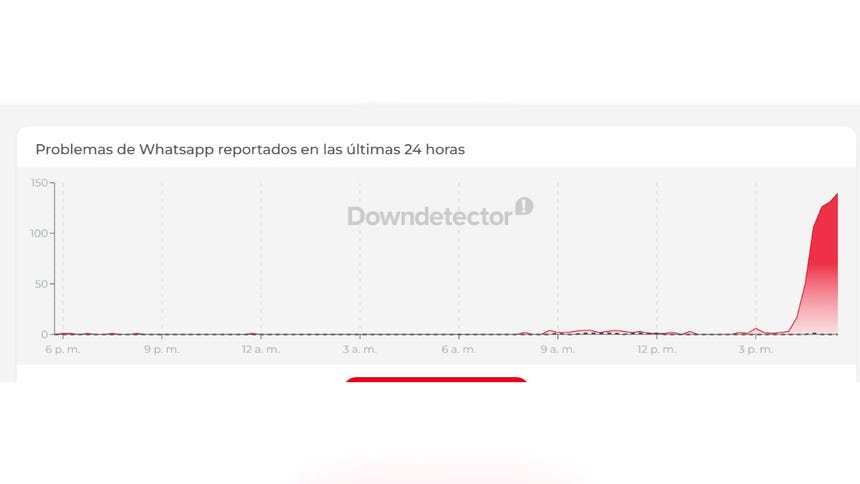
- 4:00 p.m. (PET): A significant surge in user submissions to Downdetector marks the official commencement of the incident. The trend line for "WhatsApp" spikes vertically, indicating a massive synchronization issue.
- 4:20 p.m. (PET): The outage expands beyond the Andean region. Social media platforms, including X (formerly Twitter), become flooded with complaints from users in Bogotá and Mexico City.
- 4:45 p.m. (PET): The scope of the failure becomes clear: while text-based communication remains mostly intact, the Content Delivery Network (CDN) responsible for handling multimedia payloads appears to be unresponsive.
- 5:30 p.m. (PET): Global reports indicate that users in North America and parts of Europe are also experiencing intermittent connectivity issues, suggesting the outage is rippling through Meta’s data centers.
Supporting Data and User Experience
The primary source of real-time data regarding this disruption, Downdetector, provided a granular look at the geographic impact. The platform, which tracks service interruptions by aggregating user-submitted reports, showed a high-density cluster of complaints originating from Latin American hubs.
For many users, the frustration was compounded by the ambiguity of the error. Unlike a "Server Down" message that informs the user of a total blackout, the partial nature of this failure left many under the impression that their personal internet connection was at fault. This led to a cascade of secondary troubleshooting attempts: users rebooted their routers, cleared application caches, updated their software, and even reinstalled the app, all to no avail.
In Mexico, the situation was compounded by reports of broader connection instability. Users there noted that not only were files failing to send, but the "Online" status of contacts was failing to refresh, leading to a state of "digital ghosting" where users could not confirm if their messages were reaching the server at all.
The Economic and Social Implications
The implications of a WhatsApp outage in 2026 extend far beyond the inconvenience of not being able to send a meme or a casual photo. In many Latin American countries, WhatsApp is the primary vehicle for commerce, education, and professional coordination.
The Informal Economy
Small businesses, often referred to as "micronegocios," rely almost exclusively on WhatsApp for customer service, catalog management, and payment coordination. When the ability to send product photos is severed, the "sales funnel" for these entrepreneurs effectively closes. During the three-hour window of the outage, thousands of transactions were likely stalled, representing a non-trivial impact on the micro-economic landscape.
Professional and Educational Disruption
With the increasing integration of hybrid work and remote education, files sent via WhatsApp—ranging from PDF documents to instructional videos—are standard operational tools. The disruption forced teams to scramble toward alternative communication channels, such as Telegram, Signal, or Slack, highlighting the risks of "platform monocultures" where a single service holds a monopoly over a region’s communication infrastructure.
Official Responses and Corporate Silence
As of the time of this report, neither Meta (the parent company of WhatsApp) nor the WhatsApp official communication channels have issued a detailed technical explanation for the disruption.
In the modern tech landscape, the "silence" from the company is often interpreted as a sign of internal triage. By the time an official statement is released, the engineering teams are typically focused on the "rollback" or "patch" phase of the recovery. However, this lack of immediate transparency often exacerbates user frustration, as it leaves millions of people wondering about the security of their data and the duration of the outage.
Industry analysts suggest that such incidents are often the result of "server-side configuration errors" or issues within the Content Delivery Network (CDN). When a massive update is pushed to global servers, a minor configuration error can cascade into a global failure, especially when dealing with the high-bandwidth demand of multimedia files.
Alternatives and the Resilience of the Market
The outage served as a significant stress test for alternative messaging services. Downdetector noted a concurrent, albeit smaller, spike in traffic for platforms like Telegram and Signal.
This behavior highlights a growing trend in digital consumption: "Platform Redundancy." Tech-savvy users, having experienced previous major outages in years past, are increasingly maintaining secondary accounts on competing platforms. The existence of these alternatives prevents a total breakdown of social and commercial communication, yet the migration of users is often slow and inefficient during the heat of an emergency.
Conclusion: A Reminder of Fragility
The events of August 3, 2026, serve as a poignant reminder of how deeply embedded WhatsApp has become in the daily lives of citizens worldwide. While the platform has proven itself to be a robust tool for global connectivity, the events of this Monday prove that even the most sophisticated digital infrastructures are subject to failure.
For users, the advice remains the same: in the event of a suspected platform-wide outage, it is prudent to verify the status of the service through third-party monitors like Downdetector before attempting intensive troubleshooting. For businesses, the lesson is even more critical: relying on a single platform for essential communications carries inherent operational risks that must be mitigated through the adoption of diversified digital tools.
As the systems began to stabilize late Monday evening, the digital world slowly returned to its standard rhythm. However, the questions surrounding the reliability of the Meta infrastructure remain. Until a formal explanation is provided by the developers, the "error" messages of August 3 will stand as a digital marker of a day when the world’s most popular messenger went momentarily quiet.