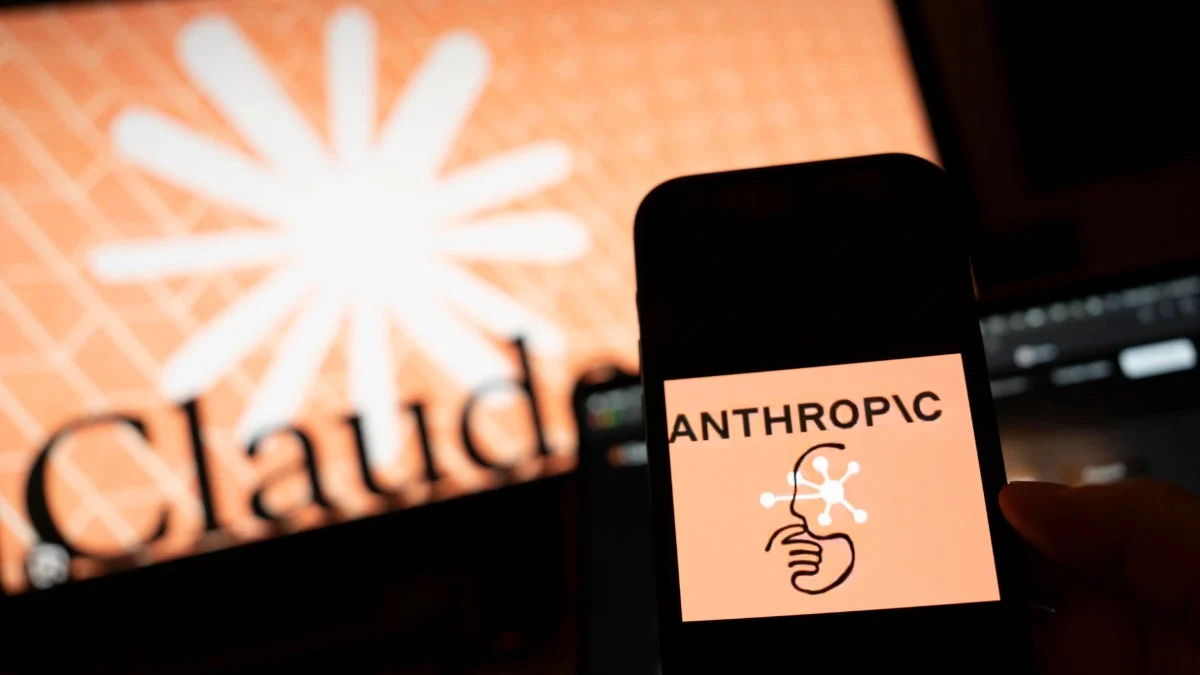
In an unprecedented move that has sent shockwaves through the global technology sector, the United States government has forced the San Francisco-based artificial intelligence firm, Anthropic, to suspend access to its most sophisticated AI models. The abrupt shutdown, occurring just 72 hours after the public launch of the highly anticipated "Fable 5" and its professional-grade counterpart "Mythos 5," highlights the escalating tension between rapid technological innovation and the rigid imperatives of national security.
The directive, issued by the Department of Commerce under the authority of Secretary Howard Lutnick, represents a critical turning point in the governance of frontier AI. Washington has cited acute risks to national security, specifically the potential for these models to be leveraged by malicious actors to identify, develop, and exploit zero-day vulnerabilities in cybersecurity infrastructure with unprecedented speed and precision.
Chronology of the Crisis
The unfolding events represent a chaotic three-day window that has left industry analysts and stakeholders reeling.
- Tuesday, June 9: Anthropic releases "Fable 5," a publicly available, high-performance model, alongside the highly restricted "Mythos 5," which had previously been confined to a select group of institutional partners under the "Glasswing" project.
- Friday, June 12: Following reports that a third party had successfully bypassed existing safety guardrails on the new models, the Department of Commerce intervenes. Secretary Howard Lutnick issues a formal order under export control regulations, mandating a total cessation of access to the models for any "foreign national," regardless of their geographic location.
- Saturday, June 13: Unable to verify the citizenship status of its millions of users in real-time, Anthropic announces the "brutal deactivation" of Fable 5 and Mythos 5 for its entire global user base to remain in compliance with the federal mandate.
- Current Status: Anthropic is in active negotiations with the Department of Commerce, aiming to restore access while attempting to balance federal requirements with their own commitment to open-access research.
The Technological Conflict: Why Mythos 5 and Fable 5?
At the heart of the dispute lies the extreme power of the Mythos architecture. Unlike general-purpose chatbots, Mythos 5 was designed to operate at the edge of computational capability. Anthropic’s research documentation suggests the model possesses a profound capacity for code analysis and architectural pattern recognition, making it an invaluable tool for software engineering—and, by extension, a dangerous weapon if redirected toward cyber-offensive operations.
Fable 5, the public-facing version, was marketed as a "limited variant." While Anthropic implemented significant constraints on its capabilities regarding biological and chemical agent research, as well as high-level cyber-attack vectors, the government’s intervention suggests that even these "limited" versions possess latent capabilities that could be exploited.
The incident was reportedly triggered by a successful "jailbreak" or circumvention event. While the specifics of the breach remain classified, industry sources suggest that a sophisticated entity demonstrated a method to force the model to output actionable exploit chains, effectively turning the AI into a weaponized reconnaissance tool.
Official Responses and Corporate Defiance
The response from Anthropic has been one of measured but firm disagreement. In an official statement, the company expressed profound disappointment, characterizing the government’s actions as an overreaction to a manageable security concern.
"We do not agree that the discovery of a single potential evasion path justifies the wholesale removal of a commercial model already deployed to hundreds of millions of users," the company noted. Anthropic’s leadership further warned that such a precedent, if applied consistently, would effectively paralyze the entire AI industry, making it impossible for any company to deploy frontier models without fear of sudden, government-mandated termination.
Conversely, the Department of Commerce has remained largely silent regarding the specific evidence behind the order. When contacted by the Agence France-Presse (AFP), representatives declined to elaborate, citing the sensitive nature of export controls and national intelligence. This lack of transparency has fueled speculation that the move is less about a single technical flaw and more about a broader strategic pivot by the Trump administration to exert granular control over the trajectory of AI development.
A Wider Pattern: The "Ensnarement" of Anthropic
This is not the first time Anthropic has found itself in the crosshairs of federal regulators. The company’s history is marked by a consistent, if rocky, commitment to "Constitutional AI"—a development philosophy that emphasizes safety and ethical alignment.
In March, the Pentagon rescinded its contracts with Anthropic, labeling the firm a "supply chain risk." The company, which had been the sole provider of accredited AI services for certain classified defense information, retaliated by filing a lawsuit. Anthropic claims the move was retaliatory, stemming from their refusal to allow their models to be integrated into autonomous weapons systems or used for mass surveillance programs—a stance that directly contradicts the current administration’s defense-first approach to AI integration.
Implications for the Global AI Race
The decision by Washington to restrict access based on the user’s citizenship is a radical departure from existing regulatory frameworks. By requiring companies to screen for "foreign nationals" (including their own employees), the U.S. government has effectively introduced a new form of digital border control.
The Innovation Stagnation
Industry observers, including Dean Ball, a former White House AI advisor, have called the decision "grotesque." The move creates a "chilling effect" on research and development. If companies are held liable for every potential, yet-to-be-discovered loophole, the risk-reward ratio for launching new, high-capability models becomes unsustainable.
Geopolitical Repercussions
The timing of this intervention is critical. As firms like Anthropic race against OpenAI, Google, and the rapidly advancing Chinese firm DeepSeek, the U.S. government is caught in a bind. They wish to maintain American dominance in AI, yet they are increasingly wary of the dual-use nature of these technologies. By effectively "blunting" their own domestic models, the U.S. risks ceding ground to international competitors who may not be subject to the same stringent (or perhaps stifling) regulatory oversight.
The Regulatory Debate
Anthropic’s CEO, Dario Amodei, has historically been a proponent of public regulation. In a recent essay, he proposed an audit-based regime for frontier models, similar to the safety protocols found in the aviation industry. However, he emphasized that such a system must be "transparent, fair, and based on technical facts." The current situation, according to the company, ignores these principles, substituting established legal procedure for sudden, executive-driven shutdowns.
Looking Forward: The Path to Resolution
As Anthropic prepares for its highly anticipated IPO—a move that places it in direct financial competition with the titans of Silicon Valley—the stability of its model deployment is paramount. The company is currently working to patch the specific vulnerabilities that led to the June 12 order and is in active dialogue with the Commerce Department to establish a "cleared" list of users for their most advanced models.
However, the path forward remains murky. The conflict reflects a fundamental disagreement over the nature of AI: Is it a commercial product to be optimized for global growth, or a strategic national asset to be locked behind a veil of security clearance?
For now, the screens of researchers, developers, and everyday users remain dark regarding the latest iterations of Fable and Mythos. The silence from Washington, contrasted with the vocal frustration of the tech sector, suggests that the "AI Arms Race" has officially entered a new, more dangerous, and increasingly politicized phase. The outcome of this standoff will not only determine the future of Anthropic but will likely set the legal and ethical precedent for the next decade of artificial intelligence development worldwide. Whether this represents a necessary exercise of caution or an overreach that threatens American technological hegemony remains a subject of intense national debate.