Lima, Peru – [Insert Date] – In a proactive and substantial effort to safeguard the water supply for millions in Lima and Callao, state-owned water utility Sedapal has embarked on a comprehensive infrastructure reinforcement and preventive maintenance program. The initiative, valued at over S/ 12.5 million (approximately USD 3.4 million), is strategically designed to bolster resilience against the amplified impacts of the El Niño phenomenon, a climate pattern known for its disruptive influence on weather systems in Peru. These critical operations are slated to continue through October of this year, underscoring the urgency and scale of Sedapal’s commitment to uninterrupted water service.
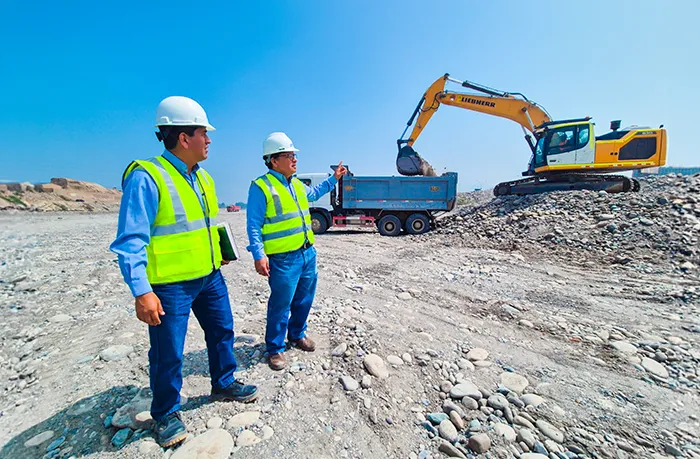
At the heart of this ambitious undertaking lies the intensive desilting of the Rímac River, a vital artery for the capital’s water resources. Utilizing heavy machinery, Sedapal crews are meticulously removing accumulated sediment, rocks, debris, and other obstructive materials from the riverbed. This rigorous cleaning process is crucial for enhancing water flow, thereby significantly reducing the risk of potentially devastating river overflows and protecting the integrity of the raw water intake and conveyance infrastructure. Beyond immediate flood mitigation, these efforts are foundational to ensuring a consistent and reliable source of water for the metropolitan area’s burgeoning population.
The strategic importance of the Rímac River to Lima’s water security cannot be overstated. As the primary source of raw water for the city, its capacity and flow are directly linked to the operational efficiency of Sedapal’s treatment plants and the overall availability of potable water. The current intensification of El Niño, characterized by potentially heavier rainfall and altered precipitation patterns, poses a significant threat to this delicate balance. Increased sediment loads, flash floods, and potential damage to intake structures are all considerable risks that Sedapal is actively working to preempt.
Furthermore, Sedapal is actively managing the artificial infiltration process through strategically placed screens within the Rímac River’s channel. This sophisticated technique is designed to optimize the recharge of underground aquifers, thereby augmenting the availability of groundwater resources. This parallel strategy is particularly vital for ensuring water supply during periods of natural water scarcity, known as "estiaje" or dry spells, which can be exacerbated by climate variability. By actively replenishing these subterranean reserves, Sedapal is creating a critical buffer against potential reductions in surface water availability.
Complementing these river-focused operations, Sedapal is conducting thorough reviews and operational checks of its well battery systems. These crucial steps are being undertaken to guarantee that these alternative water sources are fully operational and in optimal condition. This ensures their readiness to contribute to the continuity of service, particularly in the face of potential fluctuations in the Rímac River’s flow rate. The integrated approach, combining river management with groundwater resource optimization, demonstrates a holistic strategy for water security.
These comprehensive measures, implemented by Sedapal, are integral components of a broader preventive plan aimed at mitigating the adverse effects of El Niño. The organization is maintaining a constant vigil over its extensive network of systems and infrastructure, alongside robust coordination with relevant authorities. This collaborative approach is essential for enabling a swift and effective response to any potential emergencies that may arise. Sedapal’s unwavering commitment to proactive measures underscores its dedication to protecting sanitation infrastructure and delivering a continuous, secure, and high-quality water service to the citizens of Lima and Callao.
Main Facts: A Proactive Defense Against El Niño
Sedapal’s concerted efforts to bolster water security for Lima and Callao are anchored in a multi-faceted strategy designed to counter the anticipated challenges posed by an intensified El Niño phenomenon. The core of this undertaking revolves around significant infrastructural improvements and preventive maintenance, backed by a substantial financial investment exceeding S/ 12.5 million. The program’s timeline extends until October, reflecting the ongoing nature of these crucial preparations.
Key actions include:
- Desilting of the Rímac River: This critical operation involves the removal of accumulated sediment, rocks, and debris from the riverbed using heavy machinery. The objective is to improve water flow, reduce flood risks, and protect vital water intake and conveyance infrastructure.
- Artificial Infiltration Enhancement: Sedapal is optimizing the artificial infiltration process through installed screens in the Rímac River. This aims to enhance aquifer recharge and increase the availability of groundwater, crucial for meeting demand during dry periods.
- Well Battery System Readiness: The operational status of the well battery systems is being rigorously checked and verified to ensure their preparedness to supplement the water supply during periods of reduced river flow.
- Continuous Monitoring and Coordination: Sedapal maintains constant surveillance of its systems and infrastructure and collaborates closely with pertinent authorities to ensure a prompt and effective response to any emergencies.
This comprehensive approach highlights Sedapal’s commitment to ensuring the uninterrupted and quality provision of potable water to the population of Lima and Callao, demonstrating a clear understanding of the vulnerabilities presented by climate variability.

Chronology of Preparedness: A Phased Approach to Water Security
While the current phase of intensive work is underway, Sedapal’s preparedness for El Niño is a continuous process that has likely involved ongoing monitoring and smaller-scale maintenance activities. The accelerated efforts now in place can be understood within a broader chronological context of climate preparedness.
- Long-Term Monitoring and Planning: Sedapal, like other water utilities globally, likely engages in continuous monitoring of climate patterns and their potential impact on water resources. This involves long-term forecasting and strategic planning for infrastructure development and maintenance.
- Pre-El Niño Assessment (Ongoing): As the likelihood and potential intensity of El Niño events are identified by meteorological agencies, Sedapal would conduct detailed assessments of its infrastructure’s vulnerability. This would involve identifying critical points of failure and prioritizing areas for intervention.
- Intensified Preventive Works (Current Phase): The current program, spanning several months and culminating in October, represents the peak of these preventive measures. This includes the large-scale desilting and infrastructure reinforcement activities.
- Emergency Response Preparedness: Concurrent with preventive measures, Sedapal would be in a state of heightened emergency response readiness. This includes ensuring that response teams, equipment, and communication channels are fully operational.
- Post-Event Evaluation and Adaptation: Following any El Niño event, Sedapal would conduct thorough evaluations of the effectiveness of its preventive measures and adapt its strategies for future events based on lessons learned.
The current timeline of operations until October suggests a strategic focus on completing the most critical interventions before potential periods of peak rainfall or water scarcity associated with the El Niño phenomenon.
Supporting Data and Infrastructure: The Backbone of Lima’s Water Supply
The effectiveness of Sedapal’s preventive measures is intrinsically linked to the robustness of its existing infrastructure and the data that informs its operational decisions. The Rímac River, while a primary source, is subject to significant natural fluctuations and anthropogenic impacts, necessitating constant management.
- Rímac River’s Hydrological Significance: The Rímac River basin is the primary source of raw water for approximately 70% of Lima’s water supply. Its flow rates can vary dramatically, influenced by glacial melt, rainfall in the Andes, and seasonal dry periods.
- Sedimentation Challenges: Over time, the Rímac River accumulates significant amounts of sediment, particularly during intense rainfall events. This sedimentation can reduce the river’s carrying capacity, increase the risk of flooding, and clog water intake structures. The desilting operations directly address this challenge.
- Groundwater Resources: Lima’s groundwater aquifers play a crucial role in supplementing the surface water supply. Artificial infiltration techniques, as employed by Sedapal, are vital for maintaining and enhancing the productivity of these underground reserves, especially during periods of low surface water availability.
- Well Battery Systems: Sedapal operates a network of well battery systems strategically located to draw upon groundwater. The regular testing and maintenance of these wells ensure their capacity to deliver water when needed, acting as a critical backup.
- Investment Figures: The S/ 12.5 million investment signifies a substantial commitment to infrastructure resilience. This figure likely covers costs associated with heavy machinery, labor, materials, and specialized equipment for operations like desilting and filtration.
- Monitoring Technology: While not explicitly detailed in the provided text, it is highly probable that Sedapal utilizes advanced hydrological monitoring systems, including flow meters, water quality sensors, and meteorological data analysis, to inform its operational strategies and emergency response planning.
The success of Sedapal’s current efforts hinges on the effective management of these interconnected infrastructural components and the data-driven insights that guide their operations.
Official Responses and Commitments: Sedapal’s Stance on Water Security
Sedapal’s communication regarding these preventive measures emphasizes a strong commitment to public service and a proactive approach to environmental challenges. The utility’s statements highlight its dedication to operational excellence and stakeholder responsibility.
- Assurance of Service Continuity: The primary stated purpose of these works is to "ensure the continuity and quality of the potable water supply service." This directly addresses the concerns of the public regarding potential disruptions.
- Mitigation of El Niño Impacts: Sedapal explicitly frames its actions as a direct response to the "intensification of the El Niño phenomenon." This demonstrates an understanding of the climatic risks and a commitment to mitigating their consequences.
- Financial Commitment: The announcement of an investment exceeding S/ 12.5 million signals a significant allocation of resources, underscoring the seriousness with which Sedapal is treating the issue.
- Proactive Stance Reaffirmed: The concluding statement, "Sedapal reaffirms its commitment to working preventively to protect sanitation infrastructure and provide a continuous, safe, and quality service," encapsulates the organization’s core mission and its proactive approach.
- Inter-Agency Collaboration: The mention of "coordination with the competent entities" indicates an understanding that water security is a shared responsibility, requiring collaboration with governmental bodies and potentially other environmental agencies.
- Transparency and Communication: By issuing public statements about these initiatives, Sedapal aims to maintain transparency with the public and stakeholders, fostering trust and awareness regarding the measures being taken to safeguard their water supply.
These official responses collectively portray Sedapal as a responsible and diligent entity actively working to protect a vital public utility against the vagaries of climate change.
Implications for Lima and Callao: A Resilient Water Future
The comprehensive preventive measures undertaken by Sedapal carry significant implications for the residents and economic stability of Lima and Callao, particularly in the face of a potentially more severe El Niño event.
- Reduced Risk of Water Shortages: By fortifying the Rímac River’s infrastructure and enhancing groundwater reserves, Sedapal is significantly reducing the likelihood of water rationing or severe shortages that have plagued urban areas during past climate events. This ensures a more reliable supply for domestic use, hygiene, and essential services.
- Protection of Public Health: Uninterrupted access to clean water is fundamental to public health. By preventing contamination or disruption to the water supply chain, Sedapal’s actions directly contribute to the well-being of the population, minimizing the risk of waterborne diseases.
- Economic Stability and Business Continuity: A consistent and reliable water supply is crucial for various economic sectors, including industry, commerce, and agriculture (where applicable for urban fringe areas). Preventing disruptions safeguards against potential economic losses and ensures smoother business operations.
- Environmental Resilience: The desilting of the Rímac River not only protects infrastructure but also contributes to the ecological health of the river by improving its flow and reducing the risk of pollution from stagnant water and accumulated debris.
- Long-Term Water Security Strategy: These investments represent a forward-looking approach to water management, acknowledging the increasing unpredictability of climate patterns. By investing in infrastructure and diversified water sources, Sedapal is building a more resilient system for the future.
- Community Preparedness and Awareness: Public awareness of these initiatives can foster a greater appreciation for water conservation and the importance of maintaining essential infrastructure. It also prepares residents for potential, albeit reduced, risks by demonstrating proactive management.
- Adaptation to Climate Change: This undertaking is a clear example of how essential service providers are adapting to the realities of climate change. By investing in preventive measures, Sedapal is demonstrating a commitment to ensuring the continued provision of vital services in a changing environmental landscape.
In conclusion, Sedapal’s proactive investment and diligent work on the Rímac River and its associated water infrastructure represent a critical step in securing the water future of Lima and Callao. These efforts not only mitigate the immediate threats posed by an intensified El Niño but also lay the groundwork for a more resilient and sustainable water supply system for generations to come.