The Peruvian textile industry, a pillar of the nation’s manufacturing sector, is facing an existential crisis. A comprehensive investigation conducted by the Sociedad Nacional de Industrias (SNI) has laid bare the complex, clandestine, and increasingly dangerous supply chain that facilitates the flow of illicit used clothing into Peru. This is not merely a story of informal trade; it is an exposé of a sophisticated criminal architecture that threatens national security, environmental stability, and the survival of tens of thousands of formal jobs.
The Global Origin and the Chilean Gateway
The lifecycle of these illicit garments begins thousands of miles away. The clothing is sourced from developed nations, including the United States, Canada, several European countries, and South Korea. These items are initially part of global charitable or commercial recycling loops. However, they are quickly diverted into a darker, profit-driven pipeline.
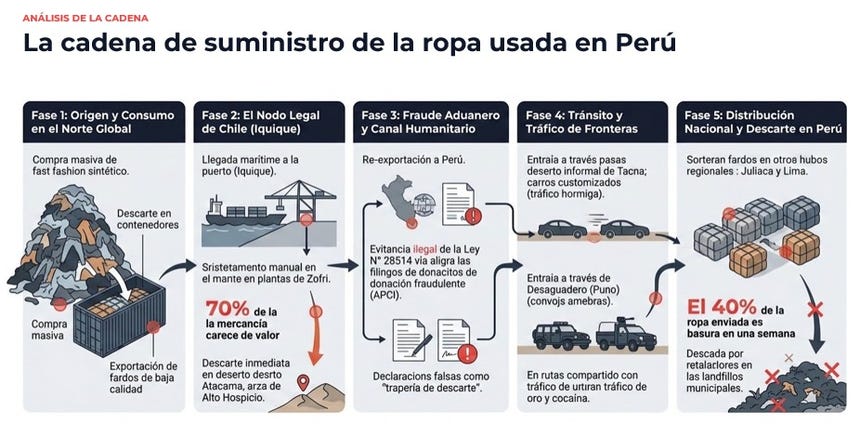
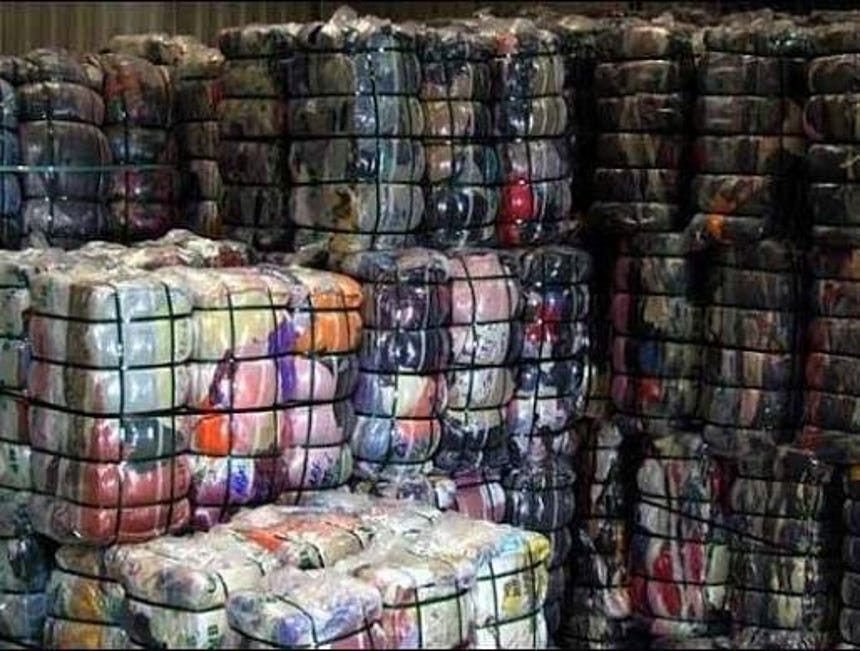
Chile occupies a central position in this illicit geography. As the only nation in South America that permits the large-scale commercial importation of used clothing, it serves as the primary regional "washing machine" for these goods. Data from the SNI study reveals that between 2021 and 2023, Chile imported an average of over 136,000 tons of used textiles annually. A significant portion of this is processed in the Zona Franca de Iquique (Zofri), where more than 50 major importers operate. Once inside the Zofri, the garments are sorted, baled, and prepared for distribution. While some remain in the Chilean market, a massive volume is funneled across borders into Bolivia and Peru, effectively bypassing international trade standards and national health regulations.
Mapping the Routes: From Border to Marketplace
The SNI investigation has, for the first time, successfully mapped the intricate logistics used to move these goods into Peru. The study identifies two primary conduits:
- The Southern Corridor: Direct entry from Chile into the Tacna region, where the goods are quickly absorbed into local distribution networks.
- The Andean Arc: A more complex, circuitous route that travels from Chile into Bolivia, before infiltrating the Peruvian border through the high-altitude crossings of Desaguadero and Puno.
Once these fardos (bales) reach Peruvian soil, they enter a secondary phase of storage and classification. The route passing through Desaguadero is particularly concerning, as it feeds directly into the major commercial hubs of Juliaca and Puno before being dispatched to the sprawling markets of Lima.
The methods of entry are as diverse as they are evasive. Smugglers utilize both established customs checkpoints, often employing falsified documentation or bribing corrupt officials, and a network of clandestine, irregular border crossings. In many instances, the cargo is camouflaged within legitimate logistics vehicles or manually transported through "ant-trafficking" methods—small-scale, frequent movements by individuals intended to evade scrutiny.
A Toxic Legacy: Environmental Catastrophe
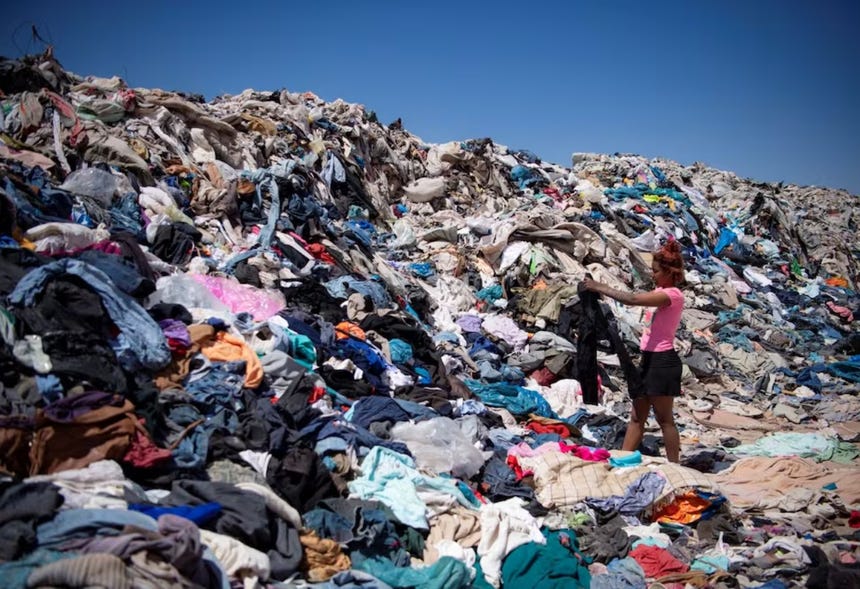
The environmental cost of this trade is staggering. The SNI study estimates that a staggering 40% of the clothing imported from developed countries is essentially "waste" that loses all commercial value almost immediately upon arrival.
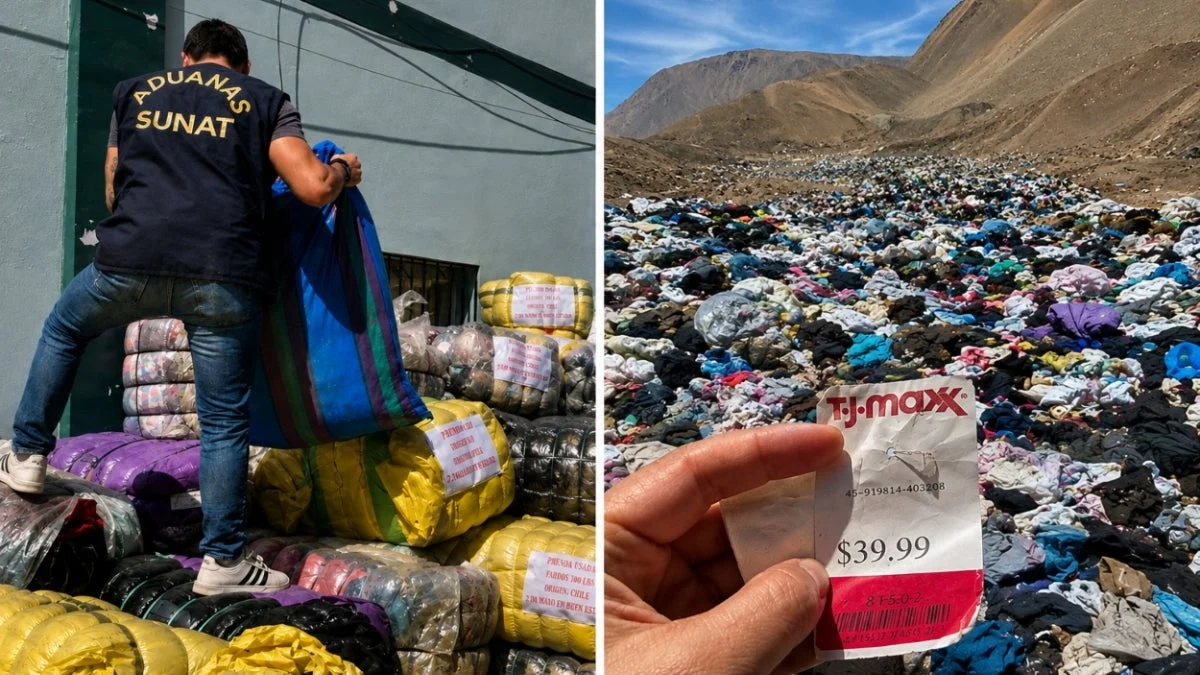
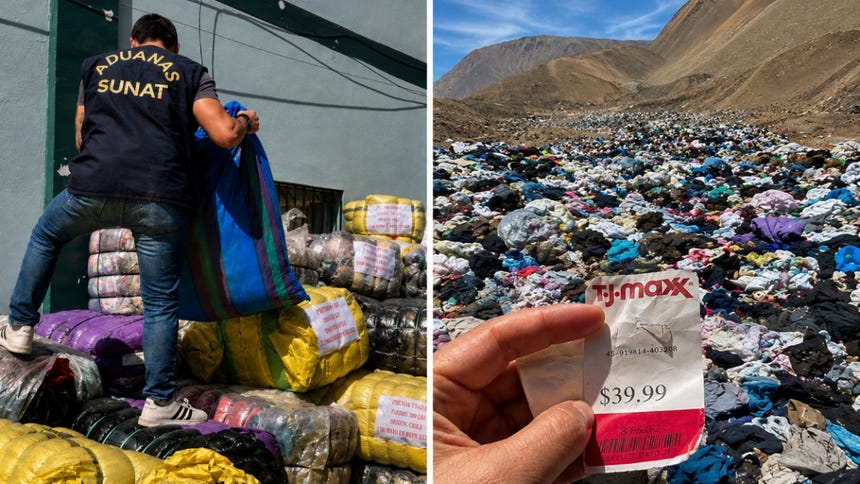
This leads to the creation of massive, hazardous textile graveyards. The most infamous example is the sprawling dump in the Atacama Desert, where tons of unwanted synthetic fabrics lie discarded, leaching chemicals into the soil and water table. This pattern repeats within the Peruvian borders. The investigation documented 16 distinct points in the supply chain where garments are discarded, creating new, localized sources of pollution. This is a linear model of consumption that treats the Andes as a dumping ground for the Global North’s "fast fashion" excess.
Economic Erosion: The Destruction of Local Industry
The economic implications for Peru are profound. Felipe James, President of the SNI, has sounded the alarm regarding the devastating impact on micro and small-sized enterprises (MSEs).
"Two years ago, we counted more than 80,000 micro and small companies that formed the backbone of our textile sector," James noted in an interview. "The influx of illegal used clothing, which enters the country without paying the taxes or fulfilling the regulatory obligations of local businesses, is forcing these companies to shutter their doors. We are seeing a massive collapse of employment in the formal sector."
Because these illegal merchants do not pay VAT or income tax and bypass safety inspections, they can sell their products at prices that formal, tax-paying Peruvian businesses simply cannot match. This creates a race to the bottom, where the survival of the formal industry is pitted against an unchecked, illicit shadow economy.
Beyond Smuggling: The Intersection with Organized Crime
Perhaps the most alarming finding of the SNI investigation is the blurring of lines between the illicit garment trade and other, more violent criminal enterprises. The study provides evidence that the smuggling routes, transporters, and logistical hubs used for used clothing are increasingly being shared with organizations involved in the trafficking of narcotics, illegal gold, and even arms.
José Luis Gil, an expert in national security, warns that the scale and sophistication of these operations suggest the presence of a broader, integrated criminal system. "It is not just about clothes anymore," Gil explained. "The same networks that move bales of used garments are being leveraged for the movement of illicit chemistry precursors, weapons, and drugs. The textile trade is becoming a component of a much larger, more dangerous systemic threat."
The implications extend to human rights as well. The investigation identified risks involving the exploitation of labor, the use of armed security to protect illicit warehouses, and potential links to human trafficking, as these criminal networks control the movement of goods and people across remote, unpoliced border areas.
The Path Forward: A Call for Strategic Action
In light of these findings, the Sociedad Nacional de Industrias has presented a series of urgent recommendations to the government. Recognizing that this is a regional phenomenon, the SNI is urging the administration to initiate high-level diplomatic dialogue with Chile to address the regulatory gaps that allow for the mass influx of discarded textiles.
Furthermore, the SNI proposes the creation of a "Strategic Analysis Center." This inter-agency body would centralize intelligence from the Superintendencia Nacional de Aduanas y de Administración Tributaria (SUNAT), the National Police, and the Public Ministry. The goal is to move beyond reactive enforcement and toward a proactive, intelligence-led strategy that targets the leadership and financial infrastructure of these criminal rings rather than just the small-scale sellers in the markets.
The report concludes with a stern warning: if the current trajectory continues, the combination of environmental degradation, the destruction of the national textile industry, and the integration of these routes into the broader, violent criminal ecosystem will pose a permanent, structural challenge to the internal security and economic development of Peru. The time for a comprehensive, multi-sectoral response is not in the future; it is now.