Introduction: A Nation at a Turning Point
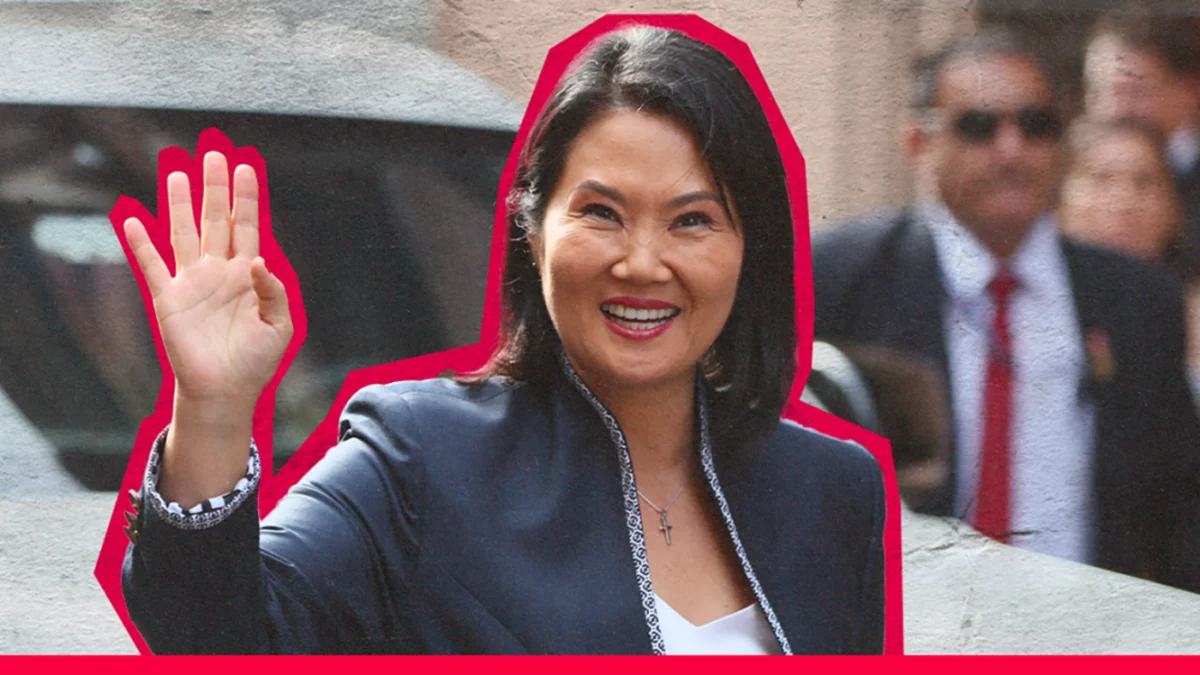
As Keiko Fujimori officially assumed the presidency of Peru on July 28, 2026, the atmosphere in Lima was far from celebratory for the nation’s media corps. The inauguration occurred against a backdrop of the most lethal period for journalism in Peru in nearly three decades. With four journalists murdered in 2025 alone, the constitutional transition finds the country at a precarious juncture where the survival of independent reporting is being tested by institutional erosion, legislative restrictions, and a culture of entrenched impunity.
A recent, comprehensive report published by Reporters Without Borders (RSF) paints a harrowing picture of the current media landscape. The report serves as a formal challenge to the new administration: to reverse the alarming deterioration of democratic checks and balances or risk cementing Peru’s descent into authoritarianism. With Peru currently languishing at 144th out of 180 countries in the World Press Freedom Index, the stakes for the citizenry’s right to be informed have never been higher.
The Anatomy of Impunity: A Deadly Legacy
The year 2025 will be remembered in the annals of Peruvian history as a dark chapter for press freedom. Four journalists—Gastón Medina Sotomayor, Raúl Celis López, Juan Fernando Núñez Guevara, and Mitzar Castillejos Tenazoa—were silenced by violence. Despite the severity of these crimes, the path to justice remains obstructed.
Investigations into these homicides have been sluggish, failing to identify masterminds or clarify the motives behind these cold-blooded attacks. This failure to prosecute creates a climate of impunity, emboldening those who view journalists as obstacles rather than essential pillars of a functioning democracy.
The violence has not ceased with the turn of the calendar. In the two months preceding the presidential transition, the targeting of journalists escalated:
- The Attack on Julio Aquise: After reporting on systemic police corruption for the media outlet En Directo JA, the journalist’s home was targeted by an explosive device.
- Intimidation of Kevin Rodríguez: A contributor to Otorongo News and La Voz de la Selva, Rodríguez received a threatening package containing two bullets and a warning letter after he began investigating the misuse of municipal public funds.
These are not isolated incidents; they are symptomatic of a broader strategy to intimidate those who dare to shine a light on state misconduct.
Chronology of Institutional Deterioration (2025–2026)
The threats against the press are not merely physical; they are systemic. Over the last 18 months, a series of legislative and judicial maneuvers have systematically stripped away the protections afforded to the press.
The Architecture of Control
- February 24, 2026: Journalists were systematically barred from entering the Government Palace during the cabinet swearing-in ceremony.
- April 2025: The enactment of Law 32301 marked a significant turning point. Promoted by Fuerza Popular—President Fujimori’s own party—this law grants the state broad control over independent organizations, including media outlets that receive international funding. By mandating rigorous administrative inspections and restricting access to funds for organizations engaged in legal action against the state, the law effectively creates a "chilling effect" on investigative journalism.
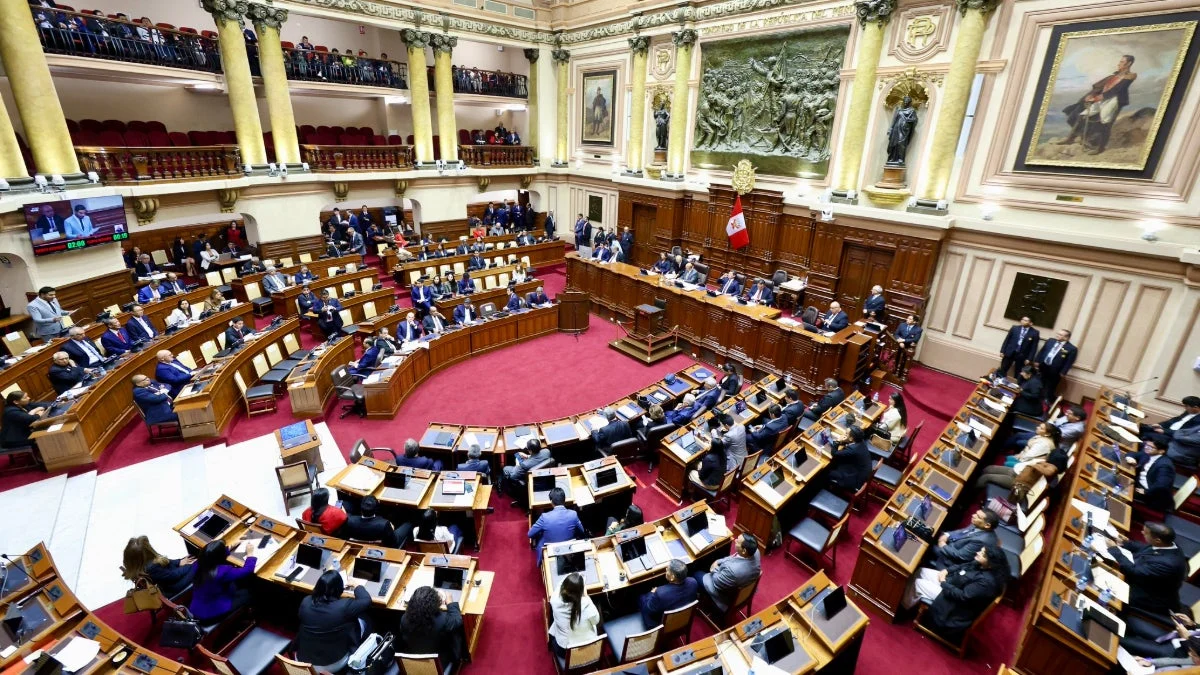
- July 26, 2026: Access to the Senate hemicycle was denied to the press during the election of the first Board of Directors, forcing journalists to rely solely on official, curated government broadcasts.
Judicial Warfare (Lawfare)
The judiciary has increasingly been weaponized to silence dissent.
- The Case of Gustavo Gorriti: In June 2026, the Congress recommended criminal proceedings against the director of IDL-Reporteros. By July, a prosecutor formally requested his prosecution for "bribery," conflating his journalistic sourcing and professional relationships with illegal activity.
- The Case of Claudia Cisneros: Wayka journalist Claudia Cisneros faces criminal charges for social media commentary regarding the transparency of the electoral process, a clear attempt to curb public debate.
- The Constitutional Court’s Overreach: On July 2, 2026, the Constitutional Court ordered the total deletion of three investigative articles published in 2014 by El Comercio. Despite the newspaper having already updated the content to reflect new findings, the court’s order sets a dangerous precedent, inviting the state to sanitize history and erase records of past corruption.
The Erosion of Judicial Independence
The release of Daniel Urresti in March 2026 remains perhaps the most significant blow to justice. The Constitutional Court’s decision to annul his 12-year prison sentence for the 1988 murder of journalist Hugo Bustíos—once hailed as a landmark case in the fight against impunity—has shattered the confidence of human rights defenders. Furthermore, the passage of Law 32735 in July 2026, which grants military and police courts jurisdiction over crimes committed by security forces in the line of duty, ensures that future abuses against journalists covering protests will likely be shielded from civilian oversight.
Official Perspectives and International Concern
Artur Romeu, Director of RSF Latin America, has been unequivocal in his assessment of the situation facing the new administration. "Keiko Fujimori inherits a country where impunity and pressures against journalism have been normalized," Romeu stated. He emphasized that the state must immediately prove that its institutions will not be weaponized to protect the powerful or punish those who exercise their right to oversight.
The international community, including RSF, is watching closely to see if the Fujimori administration will dismantle the repressive legal framework left by its predecessors. The demand is clear: the state must prioritize the protection of investigative journalists, ensure the confidentiality of sources, and stop the administrative harassment of media outlets like IDL-Reporteros.
Implications: The Future of Democracy in Peru
The current trajectory of the Peruvian state suggests a transition toward a "managed" democracy, where press freedom is tolerated only so long as it does not challenge the interests of the executive or the legislative majority.
- Self-Censorship: The combination of physical violence (explosives, bullets) and legal persecution (Law 32301) forces journalists into a state of self-censorship, where the cost of reporting the truth becomes prohibitive.
- Public Disinformation: By controlling the flow of information at the source—limiting access to the Government Palace and the Senate—the state creates an information vacuum that is inevitably filled by official propaganda.
- Institutional Fragility: The use of military courts to judge civil rights violations signals a retreat from international human rights standards, isolating Peru on the global stage.
Conclusion: The Road Ahead
For President Keiko Fujimori, the path forward is a litmus test for her commitment to democratic governance. The seven recommendations proposed by RSF represent the minimum requirements to restore the integrity of the Peruvian media:
- Establish a formal mechanism for the protection of journalists that operates independently of the security forces.
- Repeal or amend Law 32301 to ensure that international funding for media organizations is not criminalized.
- Guarantee unfettered access to all government proceedings for accredited journalists.
- Launch independent, impartial investigations into the 2025 murders of the four journalists, ensuring that masterminds are held accountable.
- Reverse the expansion of military jurisdiction over civilian crimes.
- Cease the use of criminal law (libel, bribery, public order) as a tool to harass investigative journalists.
- Respect the finality of judicial precedents regarding freedom of information, halting the practice of ordering the deletion of historical, truthful records.
Whether the new administration chooses to embrace these reforms or continue the path of its predecessors will determine not only the future of the Peruvian press but the health of the nation’s democracy itself. As it stands, the silence of the state regarding these abuses speaks volumes, but the roar of the public and the resilience of the press may yet force a course correction. The time for empty rhetoric has passed; for Peru, the time for tangible action to protect the fundamental right to information has arrived.