The landscape of Peruvian politics has been shaken by a significant judicial ruling involving one of its most prominent figures. César Acuña Peralta, the founder and leader of the Alianza para el Progreso (APP) party and current Governor of La Libertad, has been handed a suspended prison sentence for his failure to comply with a definitive labor court ruling. This development comes at a precarious moment for the APP, which is currently navigating a period of internal restructuring and rebranding amidst electoral challenges.
The Judicial Ruling: A Breach of Labor Rights
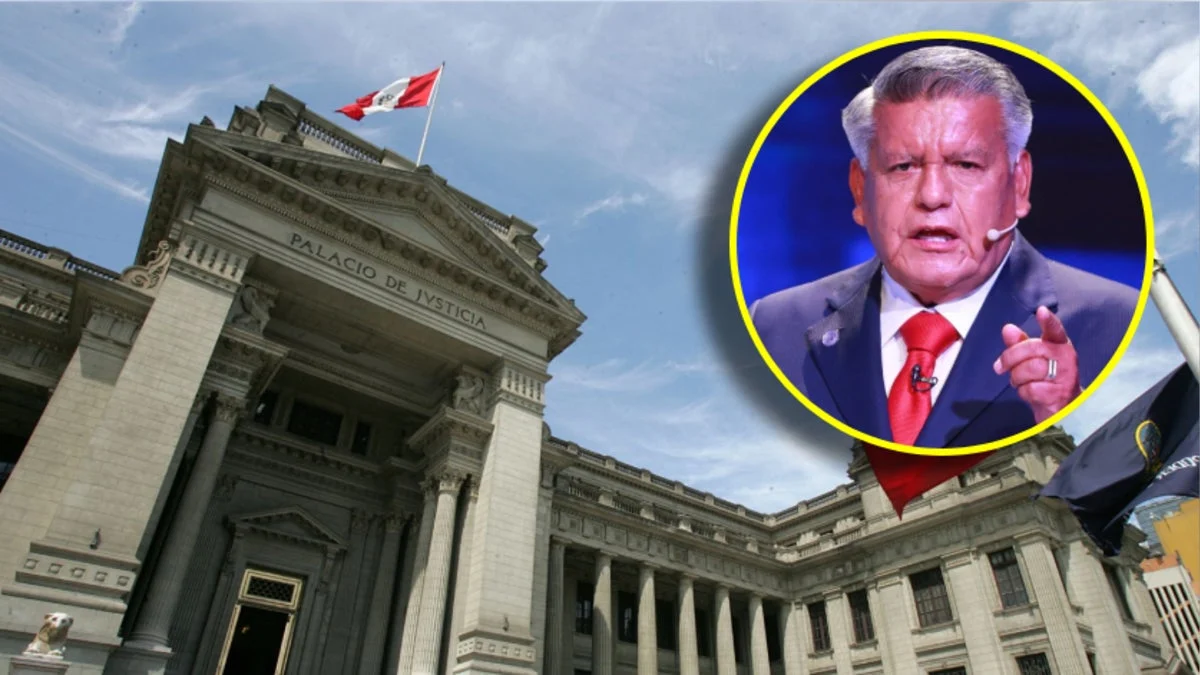
On May 20, the Penal Unipersonal Court of La Libertad issued a verdict that strikes at the heart of the governance standards expected of regional authorities. The court found César Acuña guilty of the crime of "violation of the freedom of work," a charge stemming from his refusal to honor a firm judicial mandate during his tenure as Governor.
The case originated from a long-standing labor dispute involving a retired teacher. The court had previously ordered the regional government—under Acuña’s administration—to pay the educator a sum of S/ 88,525, representing an outstanding labor bonus that had been withheld due to a calculation error. Despite the legal finality of the judgment, the administration failed to execute the payment, leading the teacher to initiate criminal proceedings.
Sentencing and Reparations
The court initially proposed a two-year custodial sentence. However, taking into account that Acuña is over 65 years of age and possesses no prior criminal record, the judiciary adjusted the penalty to one year and six months of suspended imprisonment.
Beyond the custodial aspect, the financial implications are significant. The court mandated that Acuña pay a total of S/ 97,377 to the heir of the complainant, who passed away during the litigation process. This amount covers the original debt of S/ 88,525, plus an additional S/ 8,852 in civil reparations.
Furthermore, the court imposed strict rules of conduct. Acuña is prohibited from changing his place of residence without judicial authorization, must refrain from committing similar offenses, and is required to report to the Office of Control every 30 days to justify his activities and maintain compliance with the court’s orders.
Chronology of the Legal Dispute
The timeline of this case highlights the protracted nature of the struggle for justice in the Peruvian labor courts:
- Initial Labor Dispute: The retired teacher pursued legal action against the Regional Government of La Libertad to recover bonuses denied by administrative miscalculation.
- The Firm Ruling: The judiciary ruled in favor of the teacher, issuing a definitive order for payment.
- The Breach: During his term as Governor, César Acuña oversaw an administration that failed to comply with the court-ordered payout, leading to the criminal charge of violating the freedom of labor.
- The Trial: The Penal Unipersonal Court of La Libertad examined the objective and subjective elements of the crime, ultimately determining that no legal justification existed for the failure to pay.
- May 20, 2024: The court issues the conviction against César Acuña.
- Post-Verdict: The defense team for the APP leader immediately filed an appeal. The case is currently under review by the superior court, leaving the finality of the sentence in a state of legal suspension.
Judicial Rationale: The Principle of Reproach
In its written resolution, the court was explicit regarding the weight of its decision. The magistrates emphasized that the "objective and subjective elements of the crime of attacking the freedom of work" were clearly met. The ruling stated:
"Dándose los elementos objetivos y subjetivos del tipo penal de atentado contra la libertad de trabajo, sin que en su accionar medie causas de justificación o exculpación, su conducta merece ser objeto de reproche penal; por lo que atendiendo a lo expresado se ha probado, que el delito ha sido cometido, desvirtuándose el principio de presunción de inocencia."
This language underscores the judiciary’s stance that public officials, regardless of their political standing, are not exempt from the mandates of the law. The court maintained that the failure to execute a judicial order against a vulnerable citizen—a retired educator—merits a formal penal response to ensure that the rule of law is upheld.
Political Fallout: Rebranding Alianza para el Progreso
The timing of this judicial setback could not be more challenging for the Alianza para el Progreso party. Following underwhelming results in recent general elections, the party has embarked on a desperate quest for reinvention.
Humberto Acuña, the party’s Secretary of Organization and brother of the founder, announced in May that the party is undergoing a profound structural transformation. This shift includes the possibility of a complete name change, a move intended to distance the organization from the electoral fatigue associated with its current brand.
A Departure from "Acuñismo"
Perhaps the most striking element of this restructuring is the announcement that the party intends to distance itself from the family that founded it. Humberto Acuña stated that the party is aiming for "new faces" and, specifically, that no member of the Acuña family will hold a prominent role in the party’s future public-facing activities.
"The party is going to be restructured, it is going to be re-registered. We are analyzing if it will be under the same name or a new one," Humberto Acuña noted. He emphasized that the goal is to present a fresh alternative for the upcoming regional and municipal elections. Most significantly, he confirmed that César Acuña himself will not be a candidate in the October elections, effectively removing the party leader from the ballot to mitigate the political damage caused by his legal troubles and declining popularity.
Implications for the Future
The convergence of a criminal conviction for a high-profile political leader and a party-wide rebranding effort suggests that Peru’s political landscape is in a state of high volatility.
Legal Implications
Should the appeals court uphold the conviction, César Acuña faces not only the physical and financial constraints of his sentence but also a potential crisis of legitimacy as a regional governor. While a suspended sentence does not automatically trigger immediate removal from office in all cases, the moral and political weight of a criminal record is likely to embolden opposition groups and complicate his ability to govern effectively in La Libertad.
Political Implications
For the APP, the challenge is existential. The "Acuña brand" has been the engine of the party’s growth for decades. By attempting to excise the founding family from the public face of the party, the leadership is essentially betting that the institution can survive without its primary patron. However, political analysts remain skeptical. Can a party built on the personalistic model of a family leader truly transition to a platform-based organization overnight?
The decision to exclude the Acuña family from candidacy in the upcoming regional and municipal elections is an admission that the current leadership has become a political liability. Whether this "new representation" will be accepted by the electorate, or viewed as a superficial change of paint on a crumbling facade, remains to be seen.
Conclusion
The conviction of César Acuña serves as a stark reminder of the intersection between administrative accountability and political longevity. As the legal process continues through the appeals stage, the eyes of the public remain fixed on whether the judiciary will maintain its firm stance against the non-compliance of public officials. Simultaneously, the internal metamorphosis of Alianza para el Progreso marks a critical turning point in the party’s history. Whether these measures—the judicial sentence and the party’s radical restructuring—will lead to reform or further instability will be one of the defining narratives of the next electoral cycle in Peru.