Introduction: A Pivotal Moment for Bicameralism
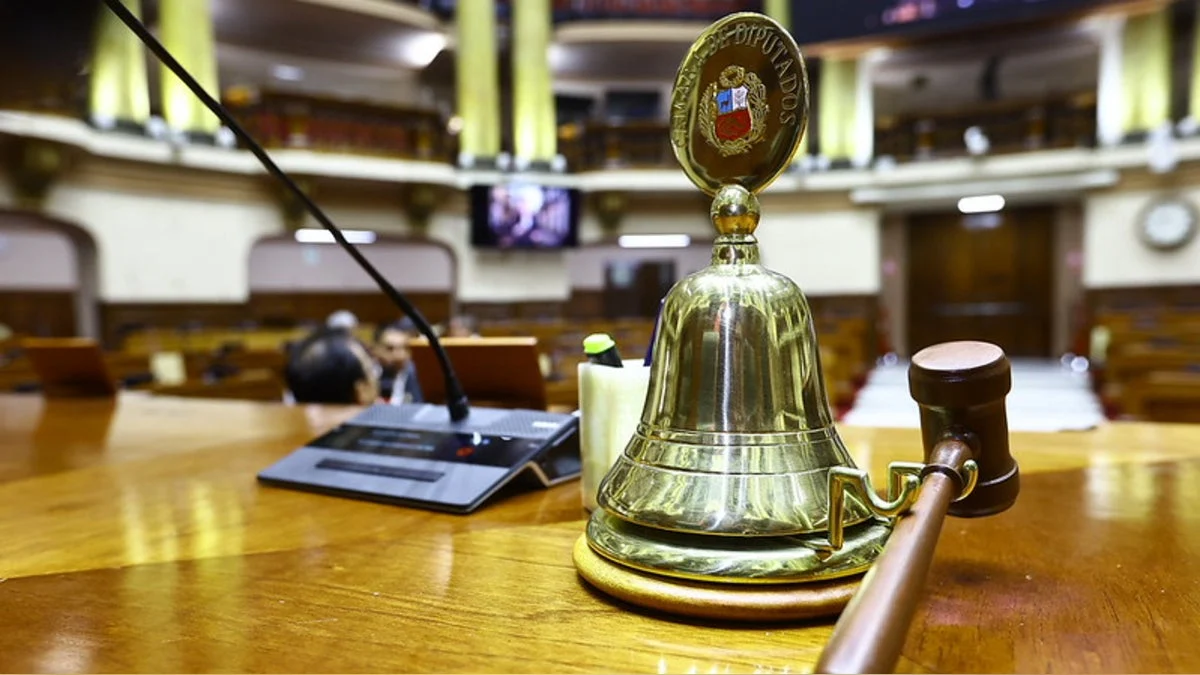
As the legislative landscape of the nation undergoes a profound transformation with the formal implementation of a bicameral system, the wheels of government are beginning to turn with renewed complexity. On Tuesday, August 4, the Palacio Legislativo will serve as the epicenter of administrative strategy as the Juntas de Portavoces (Boards of Spokespersons) of both the Senate and the Chamber of Deputies prepare to hold critical, staggered sessions.
These meetings are not merely procedural formalities; they represent the foundational architecture of the 2026-2027 annual legislative cycle. By defining the distribution of ordinary commissions and establishing the composition of high-stakes oversight bodies like the Ethics Committee and the Subcommittee on Constitutional Accusations, lawmakers are laying the groundwork for how the new Congress will function, debate, and exert its authority over the coming year.
The Core Objective: Defining the Congressional Framework
The primary mandate for the upcoming sessions is to bring order to the newly minted bicameral structure. In a system where power is now bifurcated between two distinct chambers, the necessity for clear operational guidelines is paramount.
Structuring the Commissions
The central task for the Boards of Spokespersons is the proportional allocation of seats within the ordinary legislative commissions. These commissions act as the "engine rooms" of the legislature, where the vast majority of bill drafting, research, and expert testimony occurs before legislation ever reaches the plenary floor. Determining the number of members for each commission is a delicate political balancing act, as it directly correlates to the influence each political bloc will wield over specific policy areas—ranging from economics and foreign affairs to social development and infrastructure.
Ethical Oversight and Accountability
Perhaps even more significant is the formal establishment of the Commission of Parliamentary Ethics and the Subcommittee on Constitutional Accusations. These bodies hold the power to discipline members and initiate the removal of high-ranking state officials. The composition of these groups is a point of intense scrutiny, as the public and political observers alike monitor how the new Congress intends to police itself and maintain institutional integrity.
Chronology of the Legislative Process
The schedule for August 4 reflects the distinct identities of the two chambers. The logistical choreography has been meticulously planned to ensure that both houses operate with efficiency.
- 09:00 A.M. – The Senate Convenes: The Senate, traditionally seen as the house of regional representation and sober reflection, will kick off the proceedings. Its Board of Spokespersons will meet to finalize internal structures that reflect the broader, nationwide interests of the upper chamber.
- 11:00 A.M. – The Chamber of Deputies Convenes: Following the Senate, the Chamber of Deputies will assemble in the Sala Jorge Basadre. This session, convened by the President of the Chamber, Oscar Reto Otero, carries the weight of a larger, more politically fragmented body. The official summons, signed by Official Mayor Hugo Rovira Zagal, mandates the presence of the Mesa Directiva (Directing Board) and the official spokespersons of every registered political group.
Supporting Data: The Mechanics of Representation
To understand why these meetings are so significant, one must look at the regulatory framework that governs them. The Juntas de Portavoces are the most influential bodies for daily operations, functioning as the primary bridge between the executive leadership of the Congress and the diverse range of political parties that hold seats.
The Power of Proportional Voting
A critical aspect of these meetings is the voting mechanism. The regulations of both the Senate and the Chamber of Deputies stipulate that the Board of Spokespersons is composed of members of the Directing Board and one designated representative from each parliamentary group. However, the influence of these representatives is not equal; each spokesperson wields a vote proportional to the number of members within their respective parliamentary group.
This creates a high-stakes environment where alliances formed during the election cycle are tested. Small parties may find themselves sidelined if they cannot build coalitions, while larger blocs must decide how to distribute their influence across multiple committees to maximize their legislative footprint.
Official Responses and Political Expectations
While the sessions are technical in nature, they have drawn significant commentary from political analysts and party leadership. The transition to a bicameral system has been met with both optimism and skepticism, and the ability of the legislative leadership to successfully navigate these initial administrative hurdles will serve as a bellwether for the stability of the 2026-2027 period.
"Our goal is transparency and efficiency," noted a source within the Legislative Palace. "By establishing these commissions early and with a clear understanding of the proportional weight of each party, we prevent the gridlock that often plagues the start of a new legislative term."
Conversely, opposition leaders have signaled that they will be watching the distribution of seats in the Ethics Committee with extreme vigilance. The fear of "political weaponization"—using ethics investigations to target political rivals—remains a persistent concern in the national discourse. The leadership of both chambers has pledged that the distribution will be carried out according to strict parliamentary tradition, ensuring that minority voices are not silenced in the committee rooms.
Implications: The Long-Term Impact on Governance
The decisions made on August 4 will resonate throughout the entire 2026-2027 session. The implications of this legislative restructuring are profound:
1. Enhanced Policy Specialization
With a bicameral structure, the division of labor between the Senate and the Chamber of Deputies allows for more specialized focus. The Senate is expected to handle long-term structural reforms, while the Chamber of Deputies addresses the immediate, reactive needs of the electorate. The establishment of commissions on Tuesday will dictate how effectively this specialization can be realized.
2. Checks and Balances
The formation of the Subcommittee on Constitutional Accusations is perhaps the most significant check on executive power. In the current political climate, the ability of the Congress to hold the Executive branch accountable—or, conversely, the risk of legislative overreach—depends entirely on the makeup of this subcommittee. The balance of power between the governing coalition and the opposition within this specific group will likely define the relationship between the Palacio Legislativo and the Palace of Government for the next two years.
3. Public Trust and Institutional Image
After years of public frustration with legislative instability, the successful, orderly, and transparent setup of the new Congress is vital for restoring faith in democratic institutions. If the boards of spokespersons can demonstrate a capacity for consensus and adherence to the rule of law, it may signal a departure from the confrontational politics that have defined the past decade.
Conclusion: A New Chapter
As the clock ticks toward the morning of August 4, the tension in the Palacio Legislativo is palpable. The transition to a bicameral Congress is a massive undertaking, and the sessions of the Boards of Spokespersons are the first true test of this new system’s viability.
By defining the number of members in commissions, formalizing the ethics oversight mechanisms, and balancing the proportional voting power of the various parliamentary blocs, the leaders of the Senate and the Chamber of Deputies are doing more than just filling out schedules. They are drafting the roadmap for the next two years of national policy. The nation waits to see if this new structure will lead to the promised legislative productivity or if it will be hindered by the same political fractures that have challenged previous sessions.
The success of the 2026-2027 legislative term begins in the meeting rooms of the Palacio Legislativo. With the official summons signed, the protocols set, and the stakes clearly identified, the new Congress stands at a crossroads. How they divide the work today will undoubtedly dictate the laws of tomorrow.