Executive Summary: The Return of Price Volatility
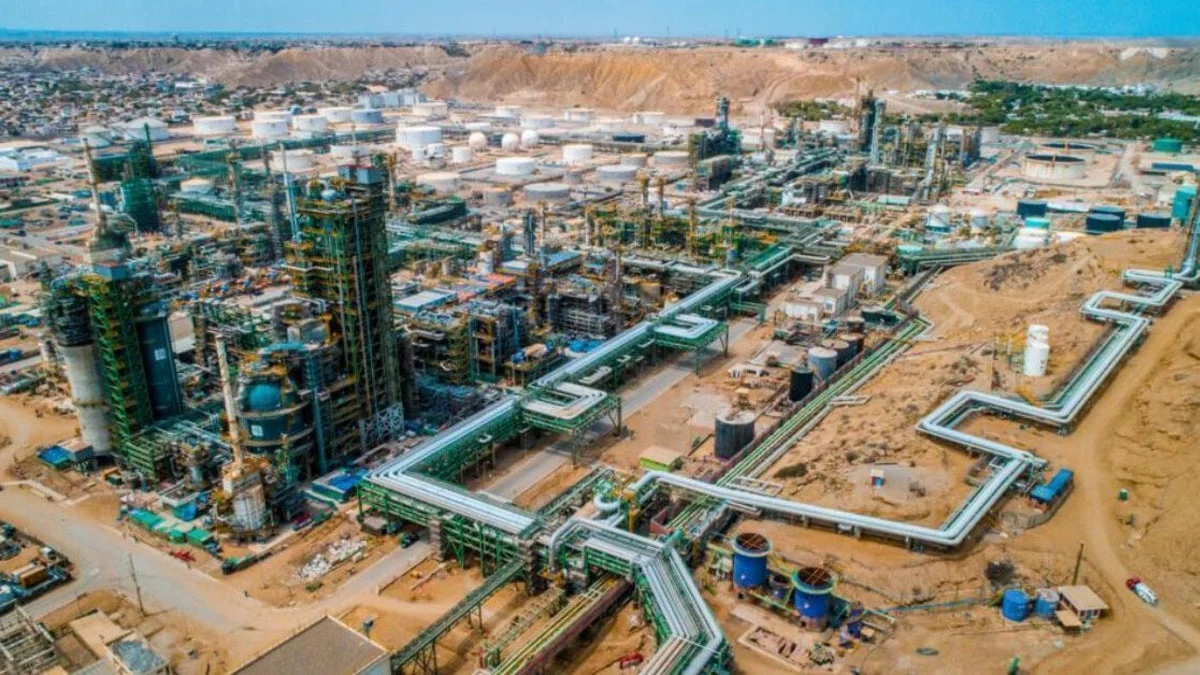
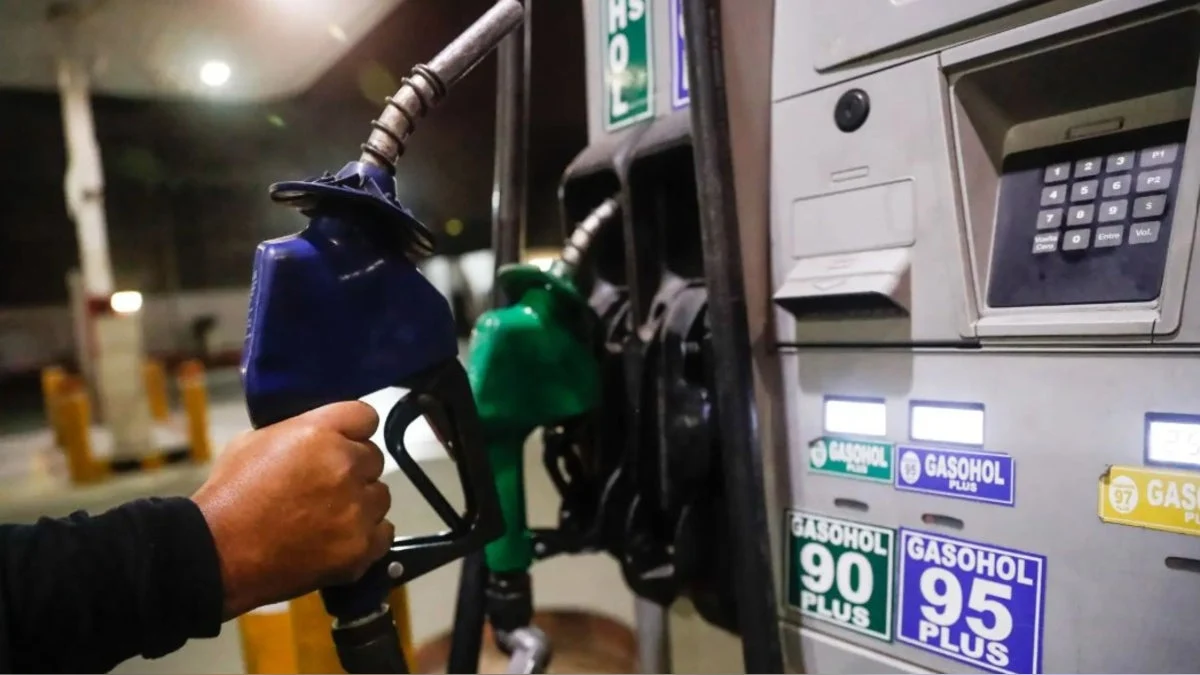
After several weeks of a promising downward trend that brought some relief to the pockets of Peruvian drivers and logistics companies, the domestic fuel market has abruptly reversed course. As of July 23, Petroperú and Repsol have implemented significant price hikes for diesel and gasoline at the wholesale plant level. This shift, marking the second consecutive week of increases, is not an isolated domestic phenomenon but a direct consequence of the escalating geopolitical instability in the Middle East.
The renewed tensions between the United States and Iran have sent shockwaves through international oil markets, pushing global crude benchmarks to levels not seen since the height of the recent regional crisis. For Peru, an economy that remains heavily dependent on fuel imports and foreign-refined petroleum products, this international volatility translates rapidly into higher prices at the pump, threatening to reignite inflationary pressures across the domestic supply chain.
Chronology of a Market Reversal
To understand the gravity of the current situation, it is essential to analyze the trajectory of fuel prices over the last several months.
The Brief Window of Relief (April – July)
Between April 7 and July 7, the Peruvian market experienced a sustained period of stability and decline. During this window, the wholesale price of Diesel B5 dropped from S/22.41 to S/17.31—a cumulative reduction of approximately 22.8%. This period provided a much-needed buffer for the national economy, allowing transportation costs to stabilize and offering a brief respite to consumers.
The July Pivot
The landscape shifted dramatically in mid-July. By July 23, the downward trend had been entirely erased.
- July 7: The market appeared to be settling at lower, more manageable price points.
- July 15–20: Initial signs of uncertainty emerged as international crude benchmarks began to climb due to renewed rhetoric from the Middle East.
- July 23: Major wholesalers (Petroperú and Repsol) officially updated their plant lists, signaling a sharp, aggressive increase that caught many market analysts off guard.
Supporting Data: An Analytical Breakdown
The scale of the current price hike is significant, particularly regarding the Diesel B5 used for heavy transport and public transit.
Wholesale Price Disparities
The data reveals a stark increase in wholesale costs per gallon:
- Petroperú (Diesel B5): Prices surged from S/17.31 to S/21.02, representing a 21.4% increase in just two weeks.
- Repsol (Diesel B5): The situation is even more acute here, with prices reaching S/22.59 per gallon. This represents a 30.5% increase and marks an all-time record high for the company, surpassing even the previous peaks of the geopolitical crisis earlier this year.
Gasoline Impact
The impact is not limited to diesel. The most widely consumed fuels in the country—Gasohols—have also seen significant adjustments:
- Gasohol Regular: The preferred choice for taxi drivers and private vehicle owners, it rose from S/15.31 to S/16.37 per gallon (a 6.9% increase).
- Gasohol Premium: Followed an identical trajectory, climbing from S/15.47 to S/16.91.
To put these figures in perspective, one must look back to February, prior to the initial outbreak of conflict and the subsequent blockade threats in the Strait of Hormuz. At that time, wholesale prices for diesel and gasohols fluctuated between S/12 and S/13. The current prices represent a massive, sustained increase of nearly 70–80% compared to pre-conflict levels.
The Geopolitical Engine: Why Prices Are Rising
The primary driver behind this volatility is the international oil market, specifically the benchmarks for West Texas Intermediate (WTI) and Brent crude.
The "Strait of Hormuz" Factor
The Strait of Hormuz is the world’s most important oil transit chokepoint. Through this narrow waterway passes approximately 20% of the world’s total petroleum consumption. As the conflict between the United States and Iran has intensified, market participants have priced in the catastrophic risk of a full or partial closure of this passage.
Global Benchmarks
As of July 23, the global price environment has shifted:
- WTI Crude: Has once again breached the USD 90 per barrel threshold.
- Brent Crude: Has climbed above the psychological barrier of USD 100 per barrel.
- Historical Comparison: Before the current cycle of Middle Eastern tension, these oils were trading in the range of USD 65 to USD 70. This massive spread directly influences the "import parity" price that dictates how much Peru pays for its foreign-sourced fuel.
Implications for the Peruvian Consumer
While wholesale prices set the baseline, the real impact is felt at the retail level—at the grifos (gas stations) across the country.
Retail Reality
Data from Osinergmin’s Facilito platform highlights the wide dispersion of prices currently hitting the consumer. On July 23, Diesel B5 was seen retailing between S/19.35 and S/27.99. In comparison, as recently as late June, the high end of that spectrum was closer to S/26.99.
The volatility is not just in the price, but in the unpredictability. When wholesale prices fluctuate by 30% in two weeks, gas station owners are forced to adjust their margins daily to survive, leading to the confusing and disparate prices seen across different districts in Lima and the provinces.
The Multiplier Effect
The increase in fuel prices carries a "multiplier effect" for the economy. Since diesel is the primary fuel for cargo transport and inter-provincial bus travel, an increase in its price is almost always followed by an increase in the cost of food, manufactured goods, and public transportation. In a country like Peru, where the logistics chain is heavily reliant on road transport, these fuel hikes are effectively a tax on the entire population.
Official Stance and Market Transparency
The government, through the regulatory body Osinergmin, continues to monitor the situation. However, there is little the national authorities can do to influence international market pricing.
The Role of ‘Facilito’
In response to the confusion, Osinergmin has emphasized the importance of its Facilito application and web portal. This tool allows citizens to:
- Compare Prices: Check real-time prices in their local districts to find the most competitive rates.
- Monitor Trends: See which stations have updated their prices and which are lagging, providing a degree of transparency in a volatile market.
- Report Abuses: Ensure that price gouging does not go unnoticed.
The Long-Term Challenge
Industry analysts have pointed out that while Petroperú has struggled with liquidity issues, the price hikes are fundamentally tied to the global cost of crude. As long as the geopolitical risk premium remains embedded in the price of WTI and Brent, the Peruvian market will remain vulnerable to imported inflation.
"The reliance on imported fuel leaves us exposed to every fire that burns in the Middle East," says a lead analyst at a regional energy firm. "Until there is a diversification of energy sources or a sustained cooling of international conflicts, the consumer should prepare for continued volatility."
Conclusion
The current rise in fuel prices is a stark reminder of the interconnectedness of the global economy. For the average Peruvian, the rise from S/17 to over S/22 for diesel is not merely a number on a chart; it is a direct hit to the cost of living. As the global community watches the developments in the Middle East with bated breath, the impact of these international ripples will continue to be felt at the pump, forcing families and businesses to navigate a period of significant economic uncertainty.
For now, the best strategy for the consumer remains vigilance: utilizing tools like Facilito to mitigate the impact of these price spikes while waiting for a more stable international environment.