In the rapidly evolving landscape of the global energy transition, the quest for critical minerals has shifted from a peripheral industrial concern to the epicenter of geopolitical strategy. While Peru has long cemented its reputation as a global powerhouse in copper, gold, and silver production, a new frontier is emerging: rare earth elements (REEs) and critical minerals. However, according to former Minister of Energy and Mines, Rómulo Mucho, the nation currently stands at a crossroads, possessing vast untapped potential while lacking the domestic infrastructure and scientific expertise to identify and capitalize on these strategic assets.
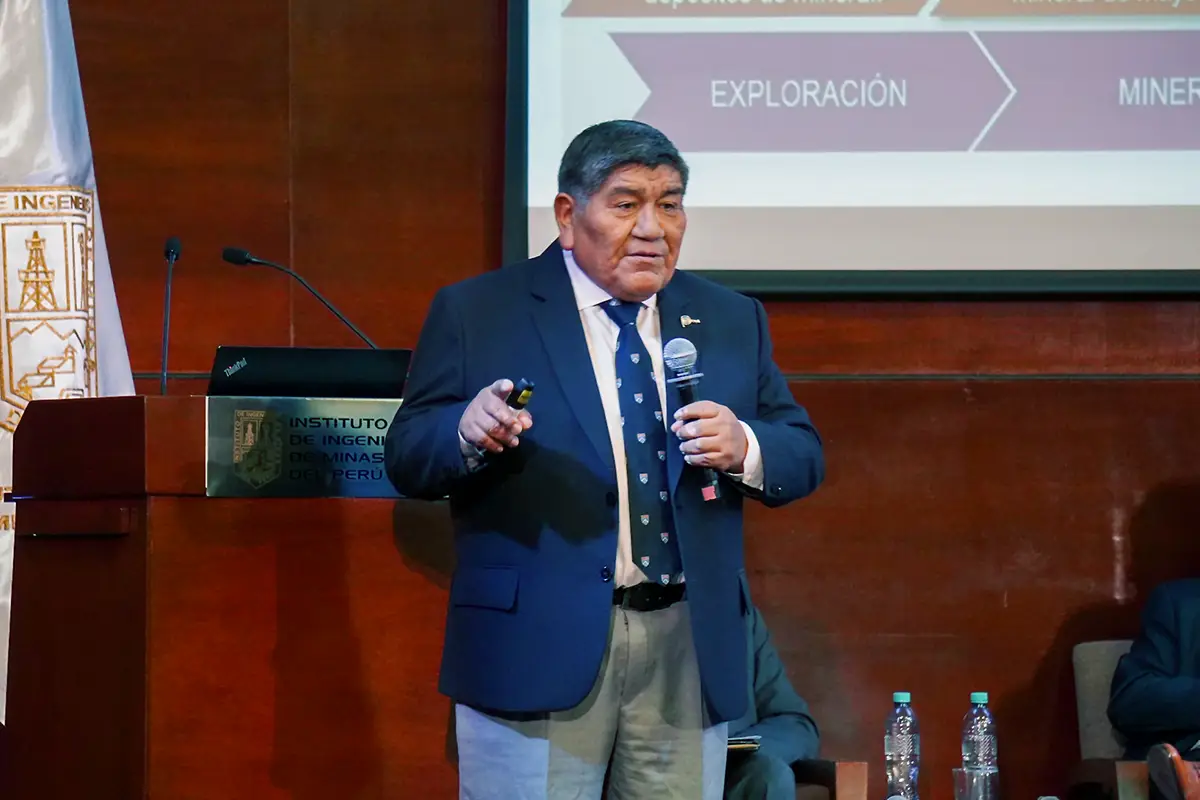
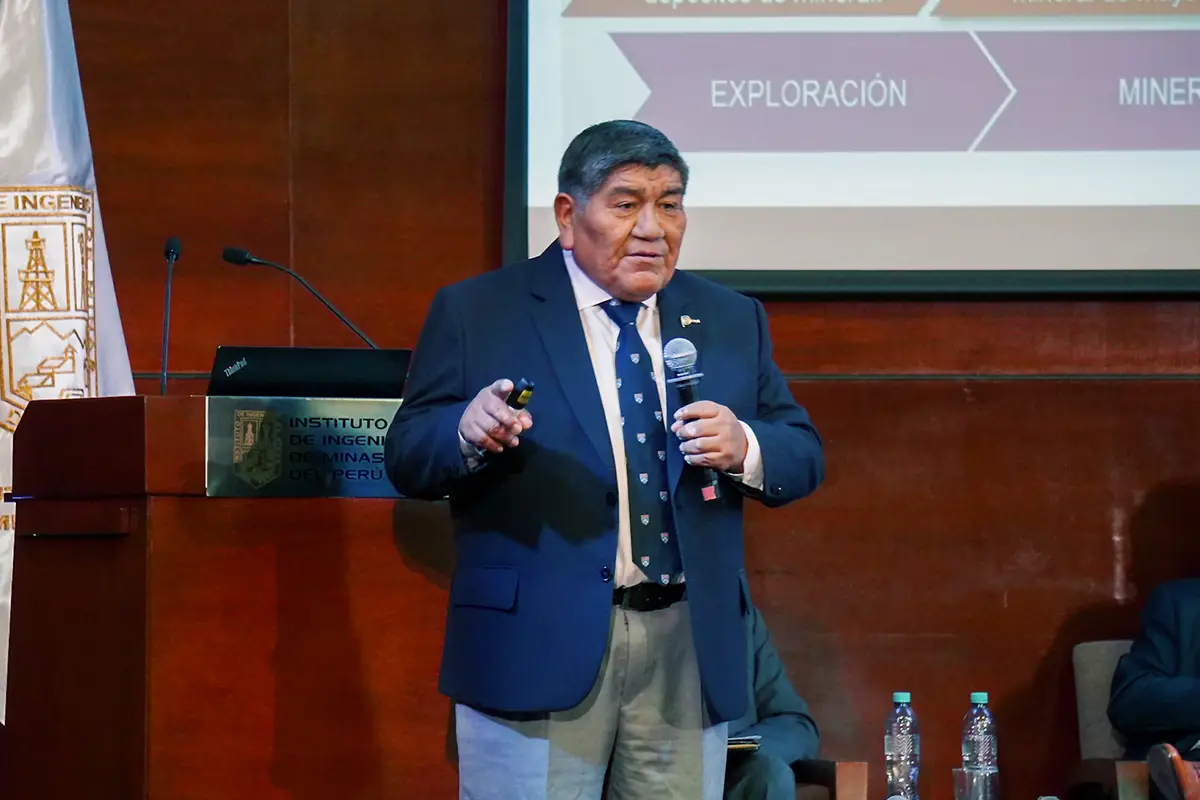
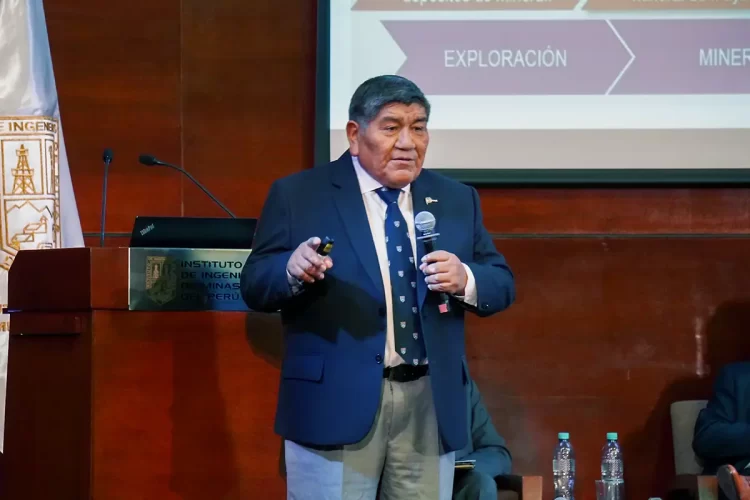
Speaking during the Jueves Minero (Mining Thursday) session hosted by the Institute of Mining Engineers of Peru (IIMP), Mucho delivered a stark assessment of the country’s current trajectory, urging a fundamental shift in how Peru approaches the future of its mineral wealth.
The Strategic Importance of Critical Minerals
The global economy is undergoing a profound transformation. As nations pivot toward decarbonization, the demand for technologies that enable renewable energy—such as electric vehicle (EV) batteries, wind turbines, and high-efficiency power grids—has skyrocketed. At the core of these technologies lie critical minerals and rare earth elements.
"A few years ago, rare earths were practically unknown outside of highly specialized circles," Mucho explained during his presentation. "Today, they are the fuel for the modern age, essential not only for consumer electronics and green tech but also for advanced defense systems and high-tech manufacturing."
Rare earths are a group of 17 chemically similar elements that are indispensable for permanent magnets, catalytic converters, and precision engineering. Unlike base metals, which are often found in massive, easily identifiable deposits, REEs are typically dispersed, requiring sophisticated geological mapping and complex metallurgical processes to extract and refine effectively.
Chronology of a Missed Opportunity
To understand the current challenge, one must look at the historical context of Peru’s mining evolution:
- 1990s–2010s: Peru focuses heavily on the expansion of large-scale copper, gold, and zinc mining, which became the engine of the national economy. Exploration efforts were almost exclusively directed toward these high-volume commodities.
- 2020–2023: The global supply chain crisis and the accelerating green transition bring rare earths into the spotlight. Major powers, including the United States, China, and the European Union, begin aggressively securing supply chains for critical minerals.
- 2024: Industry experts in Peru begin to signal that the lack of focus on "niche" minerals is becoming a competitive disadvantage.
- 2025–2026 (Present): Rómulo Mucho and other industry leaders emphasize that Peru’s geological diversity is likely home to significant REE deposits, yet the country lacks the national database or specialized research programs to confirm them.
Identifying the Knowledge Gap
The most alarming aspect of Mucho’s address was his critique of the national research ecosystem. He argued that the barrier to entry for Peru is not geological, but intellectual and systemic.
"We, the Peruvians, have not learned, we have not studied, and we have not shown interest in detecting these resources or giving them the importance they deserve," Mucho noted. His words reflect a broader concern that the Peruvian mining sector, while world-class in operational efficiency, has become siloed in its focus on traditional exports.
The Complexity of Exploration
Rare earth elements are often hidden in associations with clays, silicates, and even iron deposits. Because they do not form the massive, monolithic veins seen in copper porphyry deposits, they require a different approach to exploration:
- Specialized Geological Mapping: Current exploration maps in Peru are optimized for traditional metals. A new, specialized layer of mapping is required to identify anomalies in REE concentrations.
- Analytical Capability: Determining "parts per million" (ppm) concentrations requires advanced laboratory infrastructure that is currently underdeveloped within the country.
- Economic Viability Studies: Mucho emphasized the need to determine the "cut-off grade"—the threshold at which it becomes economically feasible to mine a specific deposit. "We need to learn how to detect where the mineral is, what its concentration is, and at what point it becomes truly profitable to extract," he stated.
Official Perspective and the Path Forward
Rómulo Mucho’s stance is one of pragmatic optimism. He views the global hunger for critical minerals as a "once-in-a-lifetime opportunity" for Peru to move up the value chain. If the nation fails to pivot, he warns, it will remain trapped in a commodity-export model, selling raw materials while others capture the high-value manufacturing stages of the supply chain.
Bridging the Gap: A Multi-Stakeholder Approach
For Peru to transition from a passive exporter to a strategic player in the rare earth market, the following steps are deemed essential:
- Public-Private Research Partnerships: The government must facilitate collaboration between universities, the Ministry of Energy and Mines, and the private sector to fund dedicated exploration programs for critical minerals.
- Human Capital Development: There is an urgent need to train geologists and metallurgical engineers in the specialized chemistry of rare earths.
- Technological Adoption: Investment in domestic refining technologies is critical. Processing REEs is notoriously difficult; importing that technology and training local experts is the only way to retain value within the country.
- Regulatory Frameworks: Updating mining laws to incentivize the exploration of "secondary" or "associated" minerals within existing concessions would unlock massive value without requiring the disruption of new land.
Global Implications: The Geopolitical Game
The competition for critical minerals is not merely economic; it is a fundamental pillar of national security for the world’s superpowers. With China currently dominating the processing of global rare earths, Western nations are actively seeking "friend-shoring" opportunities—partnering with stable, democratic nations like Peru to diversify their supply chains.
If Peru can prove it has the deposits and the capacity to process them ethically and efficiently, it could position itself as a key supplier for the global energy transition. Conversely, failing to act risks leaving the country on the sidelines of the most important industrial shift of the 21st century.
"This is an opportunity without precedent," Mucho concluded. "We must decide whether we will continue only to sell raw minerals, or if we will finally take the step forward to advance as a nation that produces technology, knowledge, and value-added materials."
Conclusion
The call from Rómulo Mucho is a wake-up call for the Peruvian mining industry. The geology of the Andes has long provided the wealth of the nation, but the next chapter of that wealth will not be found by digging deeper into old pits. It will be found through the lens of a microscope, in the laboratories of the future, and through a deliberate, state-backed strategy to master the elements that will power the world of tomorrow.
The transition from a copper-based economy to a high-tech mineral powerhouse is not an overnight task. It requires a radical shift in mindset—from extraction to innovation. For Peru, the resources are likely beneath its feet; the question remains whether the country will invest the intellectual and financial capital required to uncover them before the global window of opportunity closes.