In a landmark decision aimed at safeguarding the integrity of the domestic market, the Peruvian National Institute for the Defense of Competition and Intellectual Property (Indecopi) has officially ruled against several Chinese steel manufacturers. The regulatory body confirmed that these firms engaged in "dumping"—the practice of exporting goods at prices below their normal market value—thereby causing significant injury to Peru’s domestic steel industry. Consequently, the Peruvian government has imposed a series of specific antidumping duties on these imports, which will remain in effect for the next five years.
This move follows a rigorous investigation that revealed how a flood of low-cost steel imports from China, which surged by 94.7% between early 2021 and mid-2024, systematically undercut local production, forced price cuts, and eroded the market share of major Peruvian industrial players.
The Core Conflict: Market Distortion and Unfair Competition
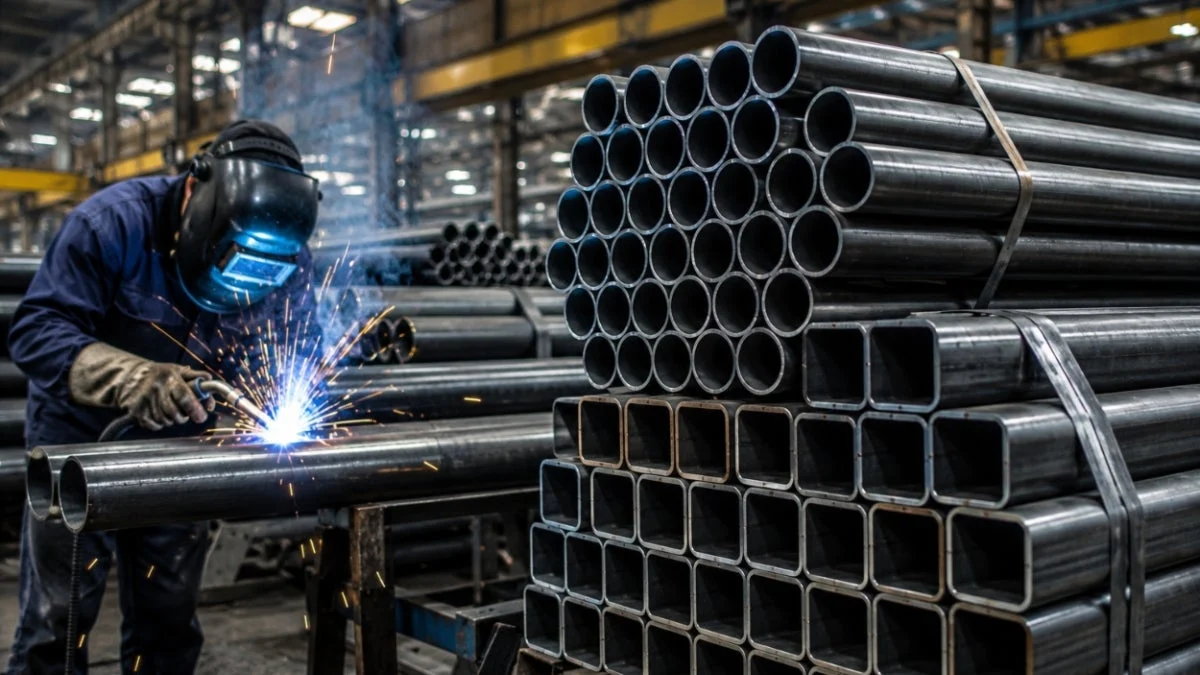
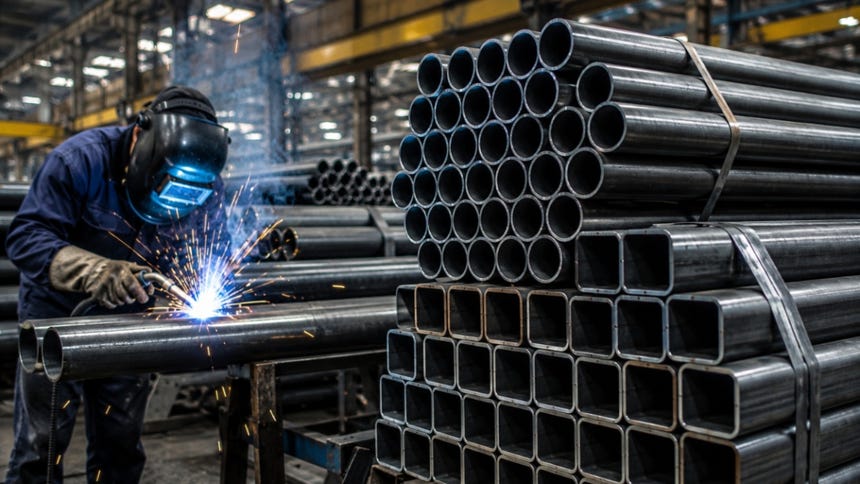
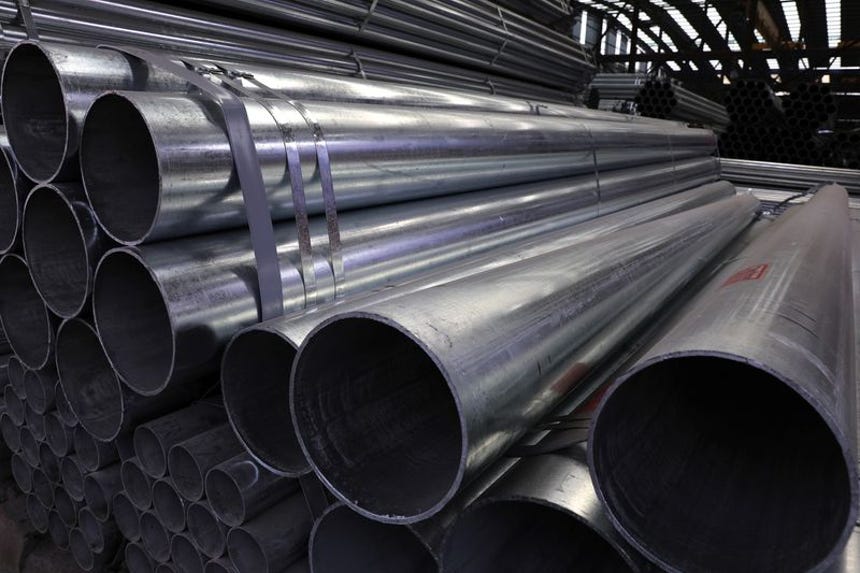
The products at the center of this dispute are steel tubes made of hot-rolled carbon (LAC)—in round, square, and rectangular formats—which are essential components for the construction of metal structures, warehouses, industrial plants, and various other civil engineering projects.
Indecopi’s Commission on Dumping, Subsidies, and Elimination of Non-Tariff Trade Barriers determined that the surge in imports was not merely a result of market dynamics or competitive efficiency, but rather the result of predatory pricing strategies. By selling their products below both the domestic market price and the actual cost of production for Peruvian manufacturers, these Chinese exporters effectively forced local companies to lower their own prices to remain relevant, leading to a direct hit on their profitability and financial stability.
Data from the investigation indicates that while local producers were forced to reduce their prices by 16.5% to compete, the Chinese imports saw an even more aggressive price reduction of 21.7%. This maneuver created an artificial advantage that left Peruvian firms with bloated inventories, reduced margins, and declining participation in their own home market.
Chronology of the Investigation
The legal battle began in October 2024, when a coalition of prominent Peruvian steel producers—Aceros Arequipa, Tupemesa, and Precor—filed a formal complaint with Indecopi. The companies argued that the influx of Chinese steel was not only harming their bottom line but threatening the livelihoods of thousands of workers in the industrial sector.
The subsequent investigation was extensive, spanning over a year and involving 23 major importers and nine primary Chinese exporting groups. The scale of the case was such that it drew diplomatic attention, with the Embassy of China in Peru intervening during the administrative process to represent the interests of the affected firms.
The investigation process was characterized by a meticulous analysis of production costs, pricing strategies, and supply chain logistics. Indecopi experts compared the manufacturing processes, raw materials, and distribution channels of both the Chinese and Peruvian products, concluding that they were essentially "like products"—meaning they were direct substitutes and competed in the same consumer segments.
Supporting Data: A Breakdown of the Sanctions
Indecopi’s final determination was not a "one-size-fits-all" penalty. Instead, the Commission calculated specific dumping margins for each identified group, reflecting the varying degrees of unfair trade practices employed by each entity.
The following table summarizes the specific antidumping duties (in US dollars per metric ton) imposed on the primary Chinese exporters:
| Exporter / Group | Dumping Margin | Antidumping Duty (USD/ton) |
|---|---|---|
| Tianjin Jinzhuoyi Steel Co. | 8.3% | $49.20 |
| Tianjin Yuantai Derun Group | 15.7% | $99.20 |
| Tianjin Baolai Industrial Trade | 25.0% | $149.40 |
| Tianjin Youfa Steel Pipe Group | 32.1% | $193.60 |
For companies that did not participate in the investigation or failed to provide sufficient information, a "residual" antidumping duty has been applied. This blanket measure ensures that all players who contributed to the market distortion are held accountable, regardless of their cooperation during the administrative review.
Dismissing Alternative Explanations
During the investigation, the defense argued that the struggles of the Peruvian steel industry were not due to dumping, but rather to macroeconomic factors such as the fluctuation of the Peruvian Sol, a general decline in national demand, or competition from other international suppliers.
Indecopi conducted a thorough counter-analysis to address these claims. The regulatory body examined macroeconomic indicators, including the impact of the El Niño phenomenon on the construction sector and the volatility of exchange rates during the 2021–2024 period. The findings were conclusive: while these factors had minor influences on the broader economy, they did not account for the "significant injury" experienced by the domestic steel industry. The investigation found no evidence that these external variables could explain the sharp decline in profitability and market share that was so closely correlated with the sudden spike in Chinese import volumes.
Implications for the Peruvian Economy and Construction Sector
The imposition of these duties represents a significant victory for the "Made in Peru" movement and provides a necessary breathing room for domestic manufacturers.
1. Protection of Local Jobs
The steel industry is a pillar of Peru’s industrial base. By curbing unfair imports, the government aims to protect thousands of direct and indirect jobs associated with the production and distribution of steel structures.
2. Restoring Market Equilibrium
The antidumping duties serve to re-level the playing field. With the artificial price advantage of the Chinese firms neutralized, Peruvian companies can return to a pricing model that reflects their actual costs, allowing for reinvestment in technology and workforce development.
3. Impact on Construction Costs
Critics often argue that tariffs or duties lead to higher prices for the end consumer. However, the construction sector in Peru relies heavily on long-term project planning. Industry experts suggest that while the cost of imported steel may rise, the stability provided by a healthy, competitive domestic industry is essential for the long-term sustainability of the construction market.
Looking Forward: A Five-Year Horizon
The five-year term of these duties is intended to allow the domestic industry to recover from the damage incurred and to adapt to the competitive landscape. Indecopi has indicated that it will continue to monitor the market closely. If the conditions that led to the dumping are resolved or if the market dynamics shift significantly, the measures could be reviewed.
For now, the message from Peruvian regulators is clear: while Peru remains an open economy committed to international trade, it will not tolerate practices that violate the rules of fair competition. By enforcing these antidumping measures, Peru is asserting its commitment to a market environment where success is defined by efficiency, quality, and innovation, rather than by predatory pricing designed to eliminate domestic competition.
This ruling also serves as a warning to other international players who might consider using the Peruvian market as a destination for subsidized or dumped surplus production. With this precedent, Indecopi has demonstrated that it possesses the investigative capacity and the legal fortitude to protect the national interest against global trade distortions.