The Peruvian mining sector, a cornerstone of the national economy and a global leader in mineral production, is undergoing a profound cultural and structural shift. Long criticized for its historical gender imbalance, the industry has officially launched a definitive "roadmap" to catalyze female participation. The "Equity Guide for the Mining Sector," published by the Institute of Mining Engineers of Peru (IIMP), marks a transition from theoretical discourse to pragmatic, actionable corporate governance.
The Catalyst: From Analysis to Action
For over a decade, industry leaders, human resources experts, and policymakers have engaged in extensive analysis regarding the underrepresentation of women in mining. However, the prevailing sentiment in recent years has been that diagnostic reports alone are insufficient.
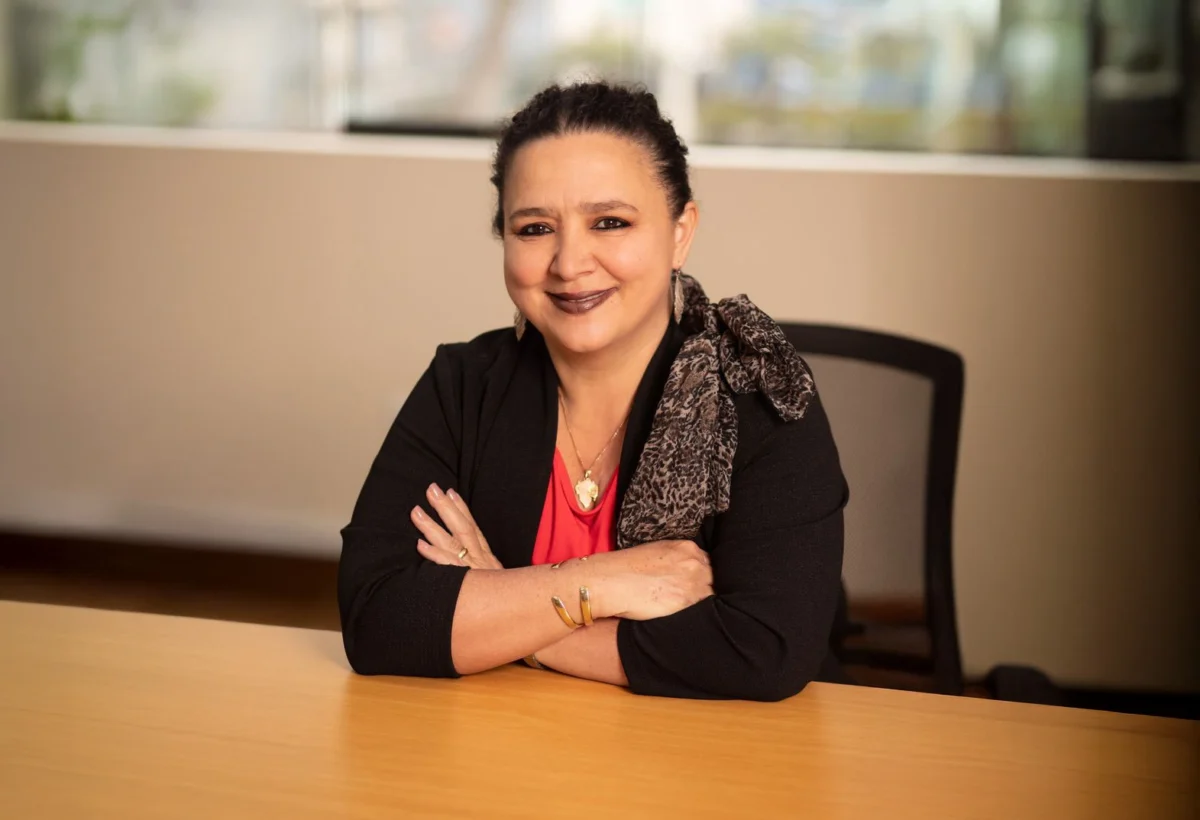
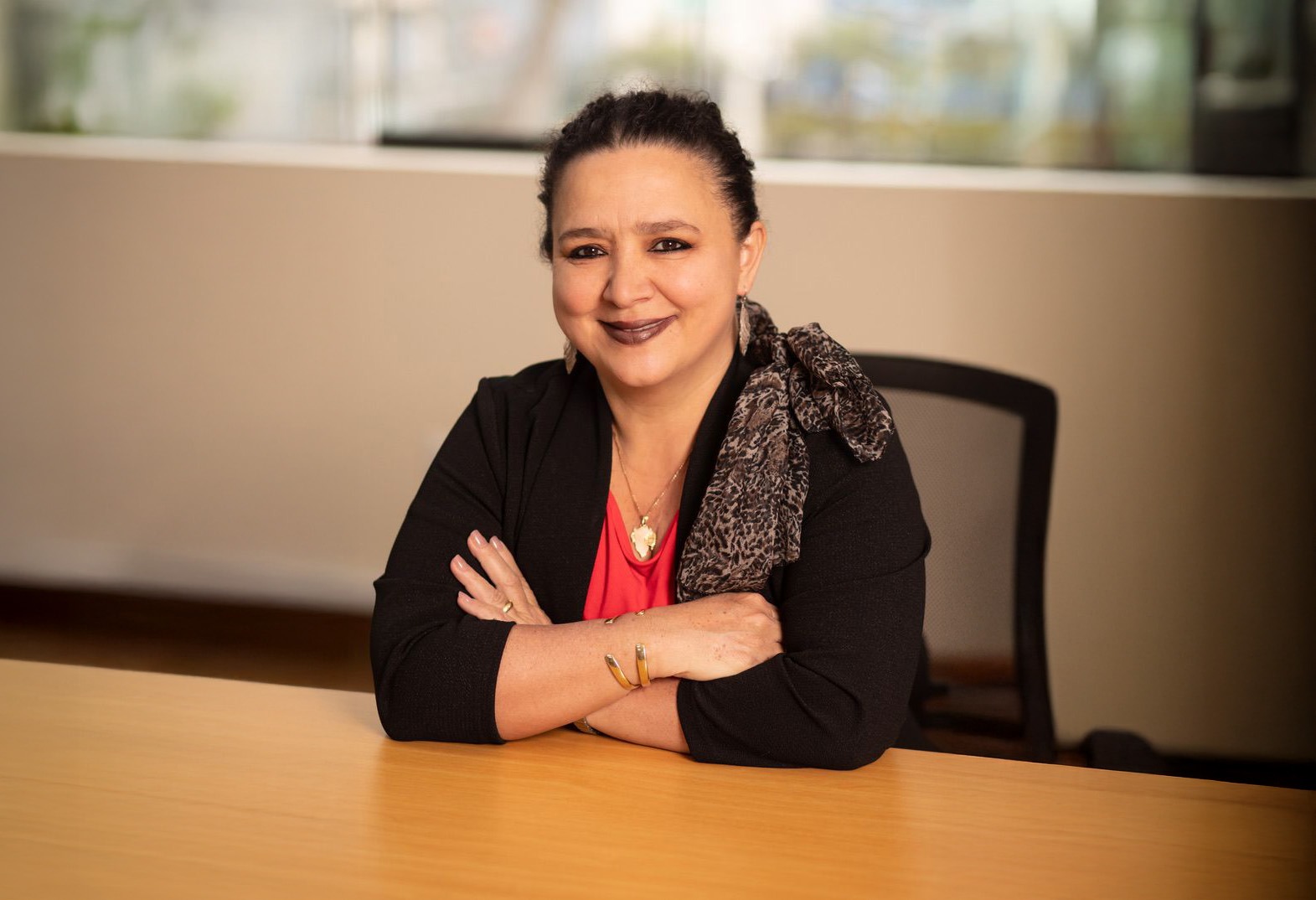
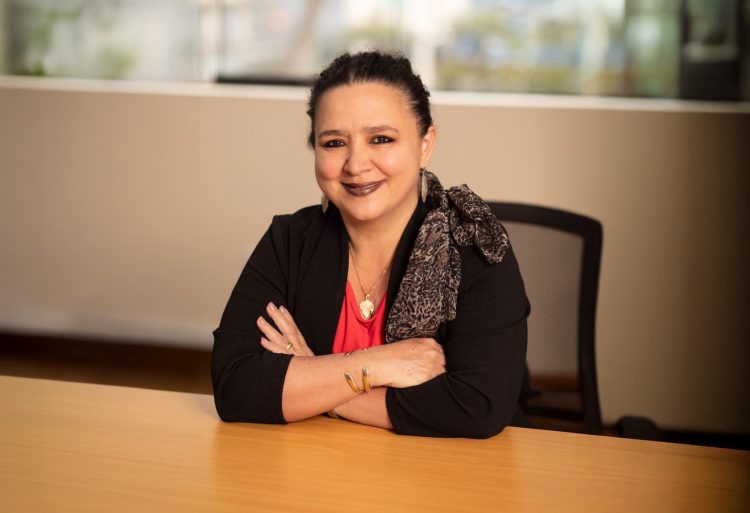
During a recent appearance on Rumbo Minero TV, Karina Zevallos, President of the PERUMIN 37 Equity Forum, underscored the urgency of the moment. "We have spent enough time in the phase of reflection and analysis; now is the time for action," Zevallos stated. "This is precisely why we introduced this initiative during PERUMIN 37—to provide companies with a tangible, accessible instrument to move the needle."
The IIMP-developed guide is not merely a statement of intent; it is a synthesis of global best practices and the specific, successful strategies implemented by the 24 mining companies that earned the "PERUMIN Seal for Excellence in Gender Equity" during the 37th edition of the convention. By codifying these successes, the IIMP has created a toolkit designed for universal application, regardless of the scale of the mining operation.
Chronology: The Decade of Stagnation and the Turning Point
To understand the significance of the new Equity Guide, one must examine the timeline of female labor participation in Peru’s mining sector:
- 2015–2025 (The Stagnation Period): For eleven consecutive years, the participation rate of women in the Peruvian mining workforce remained stubbornly anchored near the 6% mark. Despite global trends toward diversification, structural barriers—ranging from recruitment biases to lack of gender-inclusive infrastructure—kept the industry predominantly male.
- Late 2025 (The Shift): As the industry prepared for PERUMIN 37, a collective push from the IIMP and industry stakeholders prioritized gender equity as a pillar of modernization and sustainable growth.
- April 2026 (The Current Status): According to the latest reports from the Ministry of Energy and Mines (MINEM), female participation has climbed slightly to 8.1%. While this represents a modest improvement, it remains well below the international standards seen in neighboring mining powerhouses like Chile, which boasts participation rates exceeding 20%.
- Present Day: The launch of the Equity Guide signals a commitment to breaking the "double-digit barrier," aiming to move past the sub-10% stagnation that has defined the sector for over a decade.
Supporting Data: The Regional Gap
The urgency of this initiative is driven by hard data. When comparing Peru to other major mining nations in Latin America, the disparity is stark. Chile’s successful implementation of gender-equity quotas and cultural shifts in the workplace has set a regional benchmark.
Peru’s current figure of 8.1% (as of April 2026) is viewed by many industry analysts as a call to action. Zevallos and her colleagues at the IIMP argue that maintaining participation below 10% is not merely an issue of social justice; it is an issue of competitiveness. In a global market where ESG (Environmental, Social, and Governance) criteria are increasingly vital to attracting international investment, the inability to tap into the full talent pool of the population represents a significant operational risk.
"Staying below 10% is no longer an acceptable baseline for a modern, globalized industry," Zevallos emphasized. The goal of reaching a double-digit percentage is not seen as the ultimate finish line, but rather as the essential "minimum point of departure" for a sector that aspires to be a world-class leader.
Official Responses and Strategic Implications
The release of the Equity Guide has received widespread support from industry leaders, who acknowledge that individual company efforts, while noble, require a unified, industry-wide strategy to yield systemic change.
The Methodology of the Guide
The IIMP’s guide is characterized by its accessibility. It is designed to be a "living document" that SMEs (Small and Medium-sized Enterprises) can implement with the same efficacy as large-scale mining operations. The guide focuses on:
- Recruitment and Retention: Strategies to mitigate unconscious bias in hiring and foster inclusive work environments that encourage women to stay in the industry long-term.
- Infrastructure: Addressing the physical needs of a gender-diverse workforce, from PPE (Personal Protective Equipment) tailored for women to inclusive facility planning.
- Leadership Pipelines: Establishing mentorship and sponsorship programs that prepare women for executive and technical leadership roles, ensuring that the gender balance is reflected at the decision-making level, not just in entry-level positions.
Global Reach
Recognizing the international interest in the Peruvian mining model, the IIMP has taken the initiative to translate the guide into English. This version was unveiled at the World Mining Congress, positioning Peru as a thought leader in gender equity within the global extractive industries. This cross-border exchange is intended to foster a global standard for gender equity that can be adapted and refined by mining jurisdictions worldwide.
Implications for the Future of Peruvian Mining
The implications of this initiative extend far beyond internal workforce statistics. As Peru seeks to diversify its economy and integrate more deeply with global supply chains, the "feminization" of the mining sector is expected to have several long-term effects:
- Enhanced Productivity: Studies consistently show that diverse teams in complex technical environments (like mining) exhibit better problem-solving capabilities and higher levels of innovation.
- Strengthened Community Relations: Female leadership in mining operations has often been correlated with improved social license to operate, as women in leadership roles tend to prioritize stakeholder engagement and sustainable community development projects.
- ESG Attractiveness: As international capital flows toward companies that prioritize high social standards, the mining firms that aggressively adopt the IIMP’s Equity Guide are likely to find themselves more attractive to institutional investors and ethical funds.
- Long-term Talent Sustainability: By removing the "glass ceiling," the sector becomes a more attractive career path for young women entering the workforce, ensuring that the industry can continue to attract top-tier engineering and management talent in the future.
Conclusion: The Path Forward
The launch of the Equity Guide for the Mining Sector represents a pivot point in the history of Peruvian mining. By moving from rhetoric to a structured, data-backed roadmap, the IIMP is challenging the industry to overcome a decade of stagnation.
As Karina Zevallos noted, the goal is simple: to transform the industry into one that is reflective of the society it serves and capable of tapping into the full potential of its human capital. While 8.1% is a starting point, the industry’s sights are firmly set on the double-digit milestones of the future. The tools are now in place; the success of the initiative now rests on the commitment of mining executives and stakeholders to embed these practices into the DNA of their organizations.
For those interested in exploring the framework, the "Equity Guide for the Mining Sector" is currently available for free download on the official IIMP website. The document serves as an open-source contribution to the industry, inviting companies of all sizes to participate in the necessary evolution of the Peruvian mining sector.