Moquegua, Peru – July 15, 2026 – A significant milestone in the commitment to sustainable water resource management and regional development in Moquegua was reached today with the commencement of preliminary geotechnical and engineering studies for the Asana Dam. This crucial infrastructure project, envisioned to store 2.5 million cubic meters of water, officially began its foundational investigative phase on Wednesday, July 15th, in an area situated approximately 70 kilometers from the provincial capital of Moquegua.
The initiation of these in-depth studies marks a critical step forward in fulfilling Commitment 11, a pledge made during the Moquegua Dialogue Table. The Asana Dam is poised to play a pivotal role in ensuring a secure and stable water supply for various needs, underscoring a collaborative effort between stakeholders to address regional water challenges and foster long-term economic and social well-being.
Unveiling the Foundation: Geotechnical Investigations Underway
The primary objective of these preliminary works is to meticulously gather essential technical data that will inform the safe and robust design of the Asana Dam. The engineering team on-site is currently conducting a series of intricate investigations, including geotechnical boreholes and test pits (calicatas). These processes are fundamental to understanding the subsurface conditions of the proposed dam site.
Geotechnical boreholes are designed to penetrate the earth, allowing engineers to analyze the composition and properties of the soil and rock formations. This includes assessing their strength, stability, and bearing capacity – critical factors in determining the structural integrity of any large-scale construction project like a dam. By examining core samples extracted from various depths, experts can gain a comprehensive understanding of the geological makeup of the area.
Complementing these boreholes, calicatas – essentially controlled excavations – provide a visual and direct assessment of the different layers that constitute the terrain. These shallow excavations reveal the stratigraphy, soil types, and any potential anomalies present in the upper strata. Together, these methods provide a detailed subterranean profile, forming the bedrock of informed engineering decisions for the dam’s design and construction.
A Collaborative Endeavor: Community Engagement and Oversight
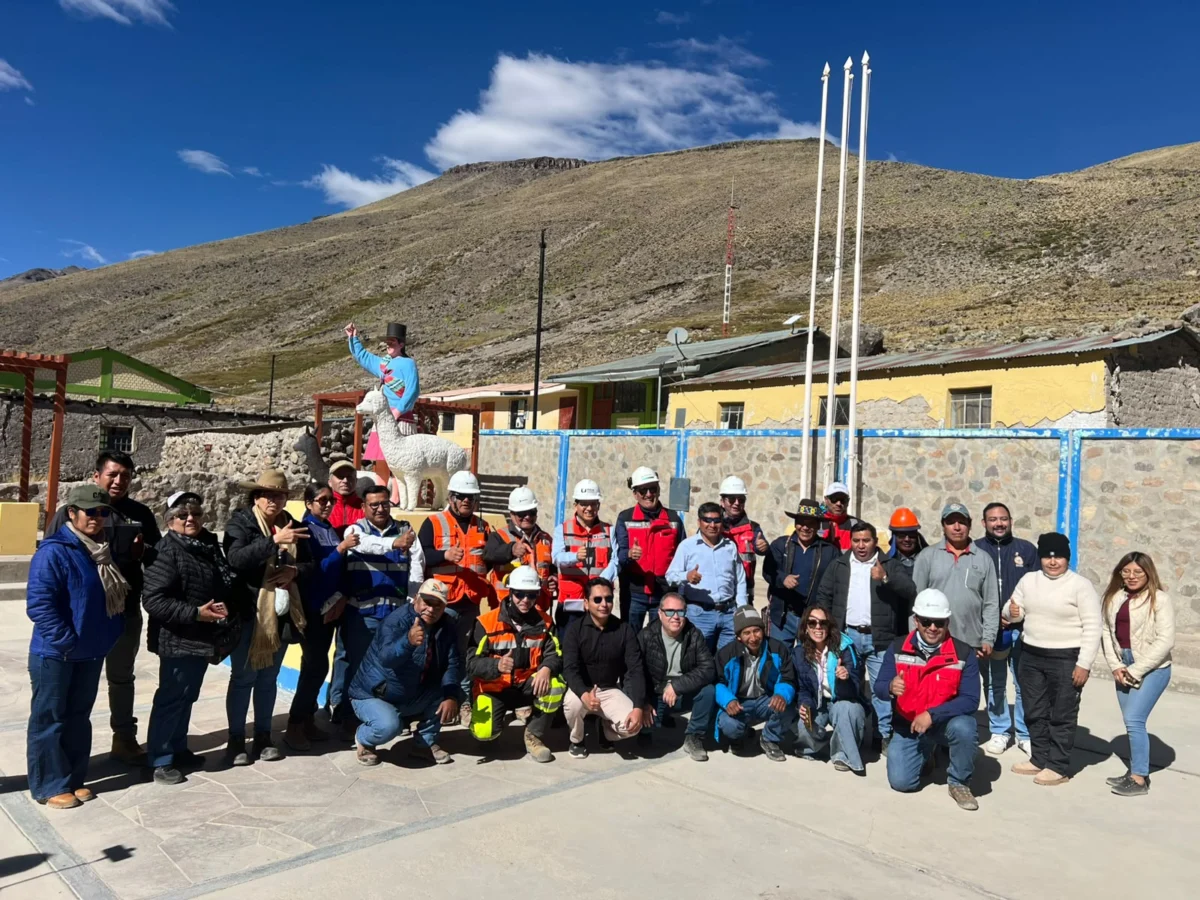
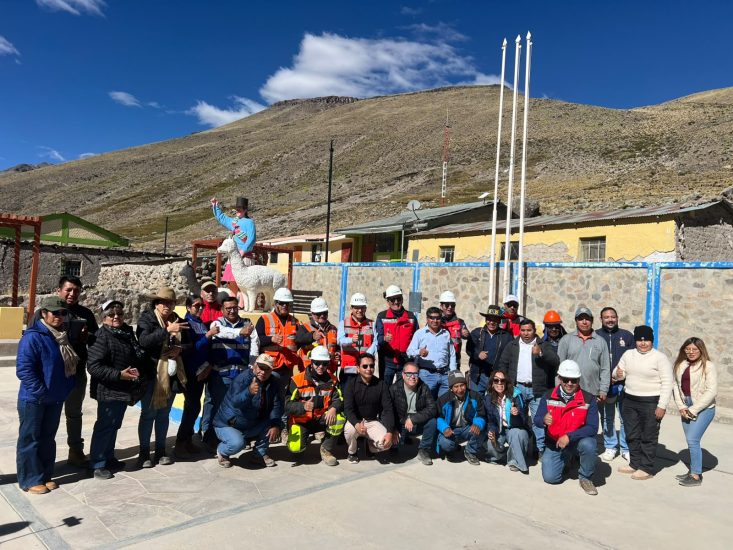
The commencement of these vital studies was marked by the presence of approximately 30 individuals, representing a diverse group of stakeholders invested in the success of the Asana Dam project. This delegation included representatives from the Quellaveco Monitoring Committee (CMQ), esteemed leaders from civil society, and members of the Tumilaca Pocata, Coscore, and Tala communities.
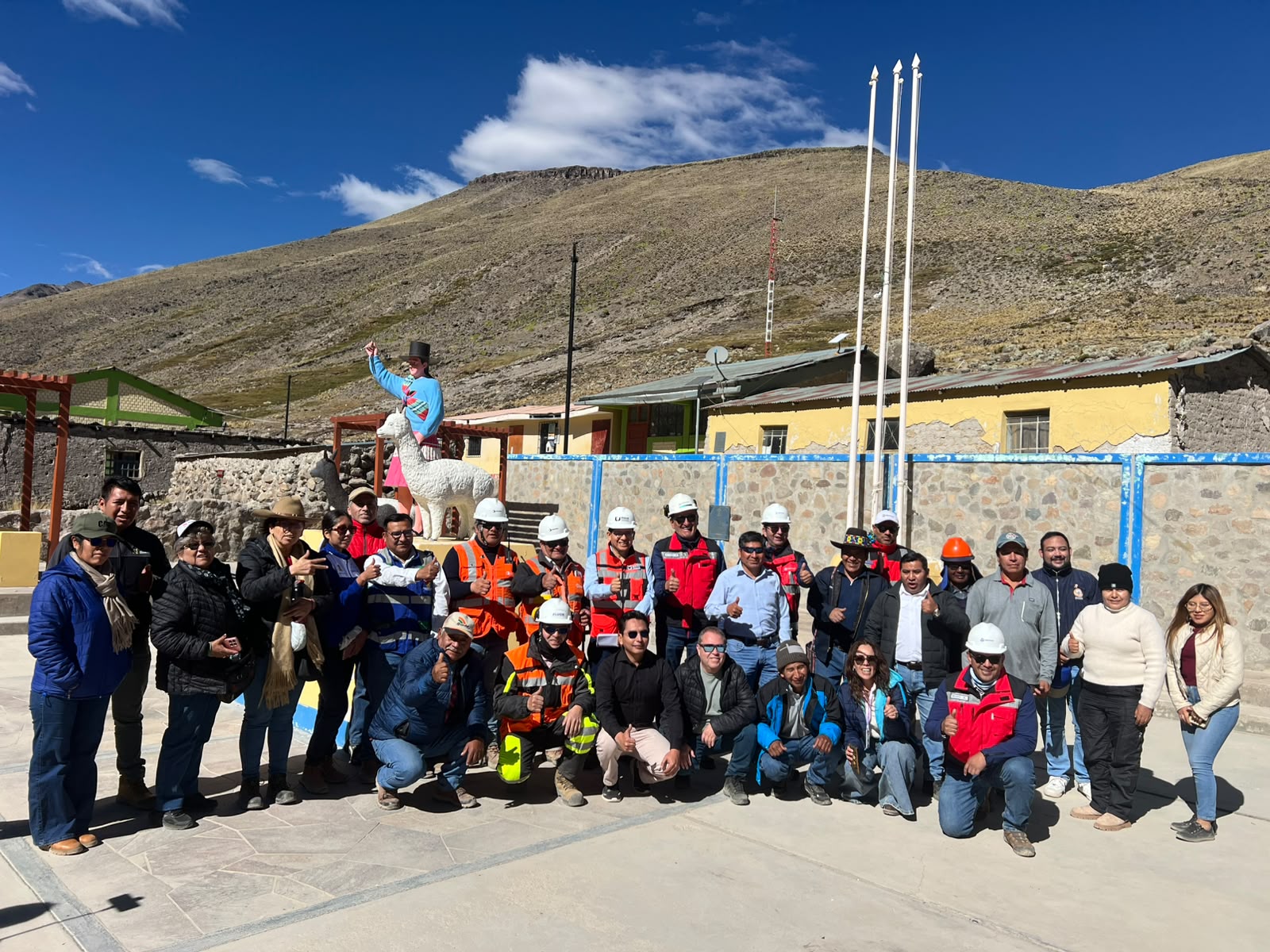
The presence of these community representatives underscores the transparent and inclusive approach being adopted for this project. Their participation in witnessing the initial stages of the geotechnical work signifies a shared commitment to ensuring the dam is developed with full consideration for local interests and environmental stewardship. The technical team present at the site provided detailed explanations of the ongoing drilling and excavation processes, fostering a clear understanding of the scientific methodologies employed. This direct engagement aims to build trust and ensure that all parties are well-informed throughout the project’s lifecycle.
A Timeline of Progress: From Environmental Review to Groundbreaking Studies
The initiation of the Asana Dam’s preliminary engineering studies is not an isolated event but rather a culmination of a series of strategic steps taken to advance the project. This phase builds upon the crucial submission of the Preliminary Environmental Assessment (EVAP) on Thursday, July 2nd, to the National Service of Environmental Certification for Sustainable Investments (Senace).
The EVAP is a pivotal document that outlines the potential environmental impacts of the project and proposes initial mitigation measures. Its submission to Senace is a mandatory step in the environmental permitting process, enabling the regulatory body to determine the appropriate environmental management instrument that will govern the Asana Dam project. This ensures that environmental considerations are integrated from the earliest stages of planning, adhering to stringent Peruvian environmental regulations.
This systematic progression from environmental review to on-the-ground investigations highlights a well-orchestrated strategy to ensure the Asana Dam project is developed responsibly, efficiently, and in compliance with all necessary legal and environmental frameworks.
Official Endorsement: Commitment to Rigor and Long-Term Responsibility
Alfredo Mogrovejo, Manager of Institutional Relations at Anglo American, expressed strong optimism and commitment regarding the commencement of the geotechnical studies. He emphasized the deliberate and methodical approach being taken to ensure the dam’s longevity and safety.
"We are moving forward with firm steps in this crucial engineering studies phase for the future Asana Dam," Mogrovejo stated. "We believe in this project and are therefore designing it with the utmost responsibility and technical rigor to ensure it is safe and will endure for many generations. Furthermore, expanding the original scope of the commitment, we wish to reiterate that our company will be responsible for the operation and maintenance of the work throughout the useful life of the Quellaveco mining operation."
This statement carries significant weight, not only highlighting the dedication to meticulous engineering but also extending the company’s commitment beyond the construction phase. The assurance of undertaking the operation and maintenance of the dam for the entire duration of the Quellaveco mine’s operational life signifies a long-term investment in the region’s water security and infrastructure. This proactive stance addresses potential concerns about the future upkeep of such a vital asset and reinforces the integrated vision of the project within the broader regional development landscape.
Broader Implications: Water Security, Regional Development, and Sustainable Mining
The Asana Dam project represents more than just a significant piece of infrastructure; it embodies a forward-thinking approach to water resource management in a region that can experience fluctuating water availability. The dam’s planned storage capacity of 2.5 million cubic meters is expected to provide a reliable water source, benefiting various sectors including agriculture, industry, and potentially domestic use, thereby contributing to the overall economic resilience of Moquegua.
Moreover, the project’s alignment with the Moquegua Dialogue Table underscores a commitment to collaborative governance and stakeholder consensus. Such dialogues are essential for fostering social license and ensuring that development projects are conceived and executed with the full buy-in of the communities they impact. The proactive engagement of community leaders and civil society in the initial stages of the geotechnical work is a testament to this principle.
The commitment by Anglo American to operate and maintain the dam throughout the life of the Quellaveco mine also sets a precedent for responsible resource extraction. By linking the dam’s long-term viability to the operational lifespan of the mine, the company demonstrates an integrated approach to its investments, ensuring that essential infrastructure is sustained and continues to provide benefits beyond the immediate operational needs. This holistic perspective is crucial for fostering sustainable development models that consider the enduring impact of industrial activities.
The Asana Dam project, therefore, stands as a beacon of progress in Moquegua, showcasing how essential infrastructure can be developed through rigorous technical planning, robust environmental oversight, and genuine community partnership. The successful completion of these preliminary geotechnical studies is a critical step towards realizing a future where water security and sustainable regional development go hand in hand. The coming months will undoubtedly see further advancements as the project moves from its foundational studies towards detailed design and eventual construction, promising a more secure and prosperous future for the region.